October's Awareness Campaigns Test Whether Beauty Brands' Values Claims Hold Up
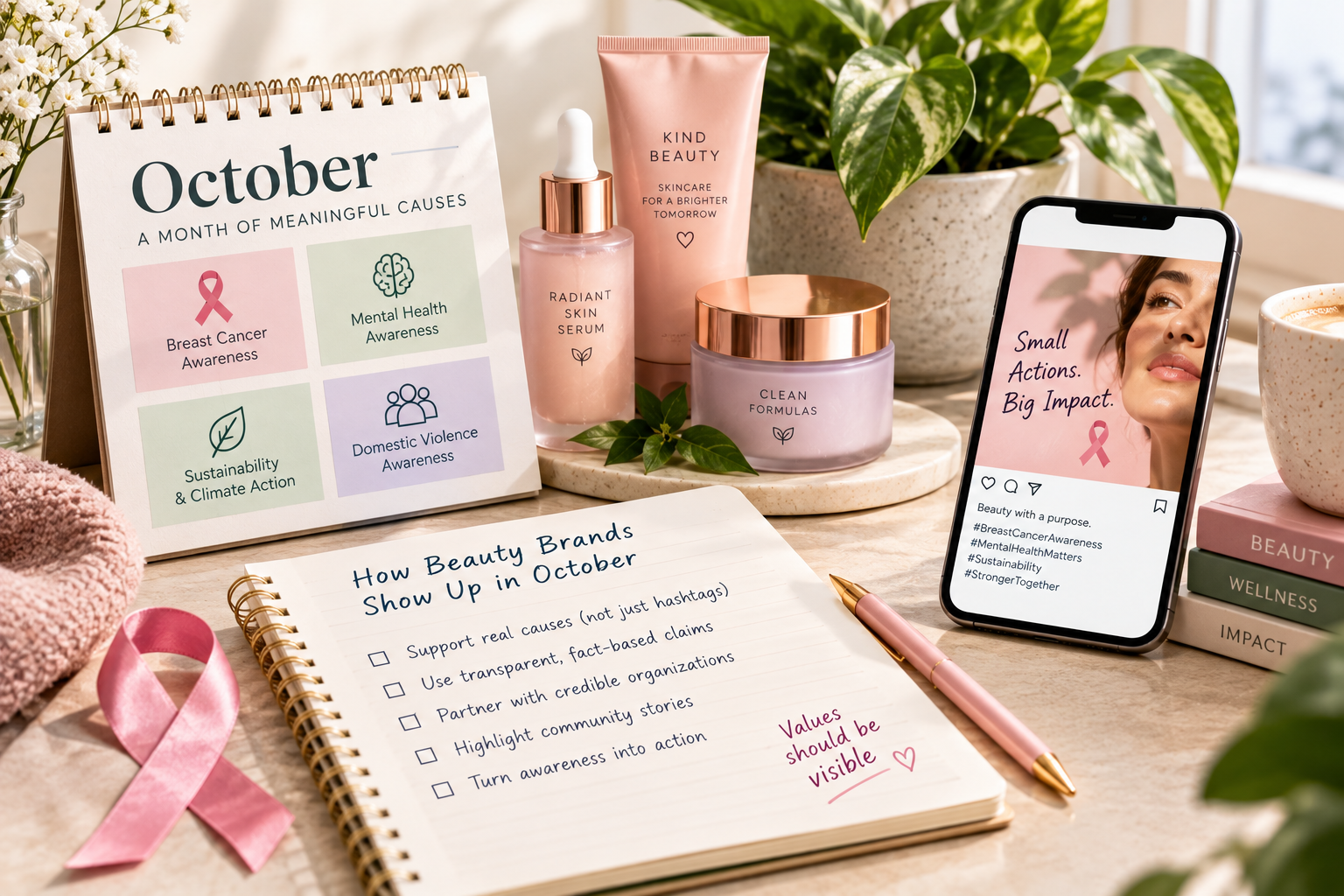

October brings a wave of cause-driven marketing to beauty, most visibly around Breast Cancer Awareness Month, as brands roll out pink packaging, limited donations, and awareness-tied campaigns.
This is also the moment those campaigns get the most scrutiny. Shoppers increasingly look past the pink ribbon to ask a more specific question: what does this campaign actually fund, and is the brand's involvement genuine or largely symbolic.
A few things are true about this dynamic:
● Cause marketing during dedicated awareness months draws more shopper attention and more skepticism at the same time
● Vague claims about "supporting the cause" are increasingly questioned rather than simply accepted
● Brands with specific, verifiable contributions are better positioned than those relying on symbolic gestures alone
● A poorly substantiated awareness campaign can do more reputational harm than no campaign at all
Current Beauty Consumer Trends
1. Shoppers Actively Research What a Cause Campaign Actually Funds
Rather than taking a pink product or awareness-themed packaging at face value, more shoppers are checking what percentage of proceeds go where, and for how long a campaign has actually run.
2. Symbolic Gestures Without Substance Are Increasingly Called Out
A brand that participates in an awareness month without a clear, specific contribution risks being perceived as opportunistic rather than genuinely engaged with the cause.
3. Genuine, Specific Involvement Builds More Trust Than a Broad Statement
Shoppers respond better to specific claims, a named dollar amount, a named partner organization, a defined timeframe, than to general statements about supporting a cause.
Industry Trends Impacting the Beauty Market
1. Awareness Marketing Has Become a Trust Test, Not Just a Visibility Opportunity
What used to be a relatively low-scrutiny marketing moment has become an opportunity for brands to either build real credibility or damage it, depending on how substantiated their involvement actually is.
2. Long-Term, Consistent Involvement Reads as More Credible Than a Single Campaign
Brands with a multi-year track record of supporting a cause are increasingly differentiated from those launching a campaign for the first time this year, since consistency signals genuine commitment.
3. Video and AI-Generated Images Can Show Real Impact, Not Just State a Claim
A packaging callout stating a brand "supports" a cause is easy to make and easy to doubt. Video showing where contributions actually go, a partner organization, a funded program, a specific outcome, gives shoppers something concrete to evaluate instead of a general claim. For quick social and site updates during the campaign, AI-generated images can help communicate specific, factual details, like a running donation total, clearly and consistently.
Challenges and Opportunities in Beauty
The challenge is that cause marketing now carries real reputational risk if it isn't backed by something specific and verifiable, which raises the bar for participating credibly.
The opportunity is that brands with genuine, well-documented involvement can differentiate clearly from those treating awareness months as a marketing formality, building real trust in a moment that rewards substance over symbolism.
Strategic Recommendations for Beauty Brands and Retailers
The first priority is being specific about what a cause campaign actually funds, rather than relying on general language about support.
The second is using video to show real impact and partnership, giving shoppers something concrete to evaluate rather than a claim to simply trust.
The third is treating awareness campaign involvement as a long-term commitment worth building consistently, rather than a single seasonal marketing moment.
Looking Ahead
Awareness months will keep drawing both attention and scrutiny in beauty, and that dynamic isn't likely to soften. Brands that show up with specific, substantiated involvement will build real trust during this window, while brands relying on symbolic gestures risk the opposite outcome.
Want your cause marketing to hold up to real scrutiny? See how leading beauty brands are using video and AI-generated images to show genuine impact, not just make a claim.
FAQ
Why does beauty cause marketing face more scrutiny during awareness months?
Dedicated awareness periods like October's Breast Cancer Awareness Month draw increased shopper attention, which also means increased scrutiny of whether a brand's involvement is genuine and specific or largely symbolic.
What makes a beauty brand's awareness campaign more credible to shoppers?
Specific details, such as a named dollar amount, a defined partner organization, or a clear timeframe, tend to build more trust than general statements about supporting a cause.
Can a poorly substantiated awareness campaign hurt a beauty brand's reputation?
Yes. Shoppers increasingly notice when a cause campaign lacks specific, verifiable substance, which can create a perception of opportunism rather than genuine commitment.
How can beauty brands demonstrate real impact during awareness campaigns?
Video showing where contributions actually go, including specific partner organizations or funded programs, gives shoppers something concrete to evaluate rather than a general claim to take at face value.
Unlock Exclusive Insights
By submitting this form, you agree to Firework's privacy policy and consent to receive personalized marketing communications. You can unsubscribe at any time.