The Right to Repair Movement Is Coming for Appliance Brands' Service Revenue
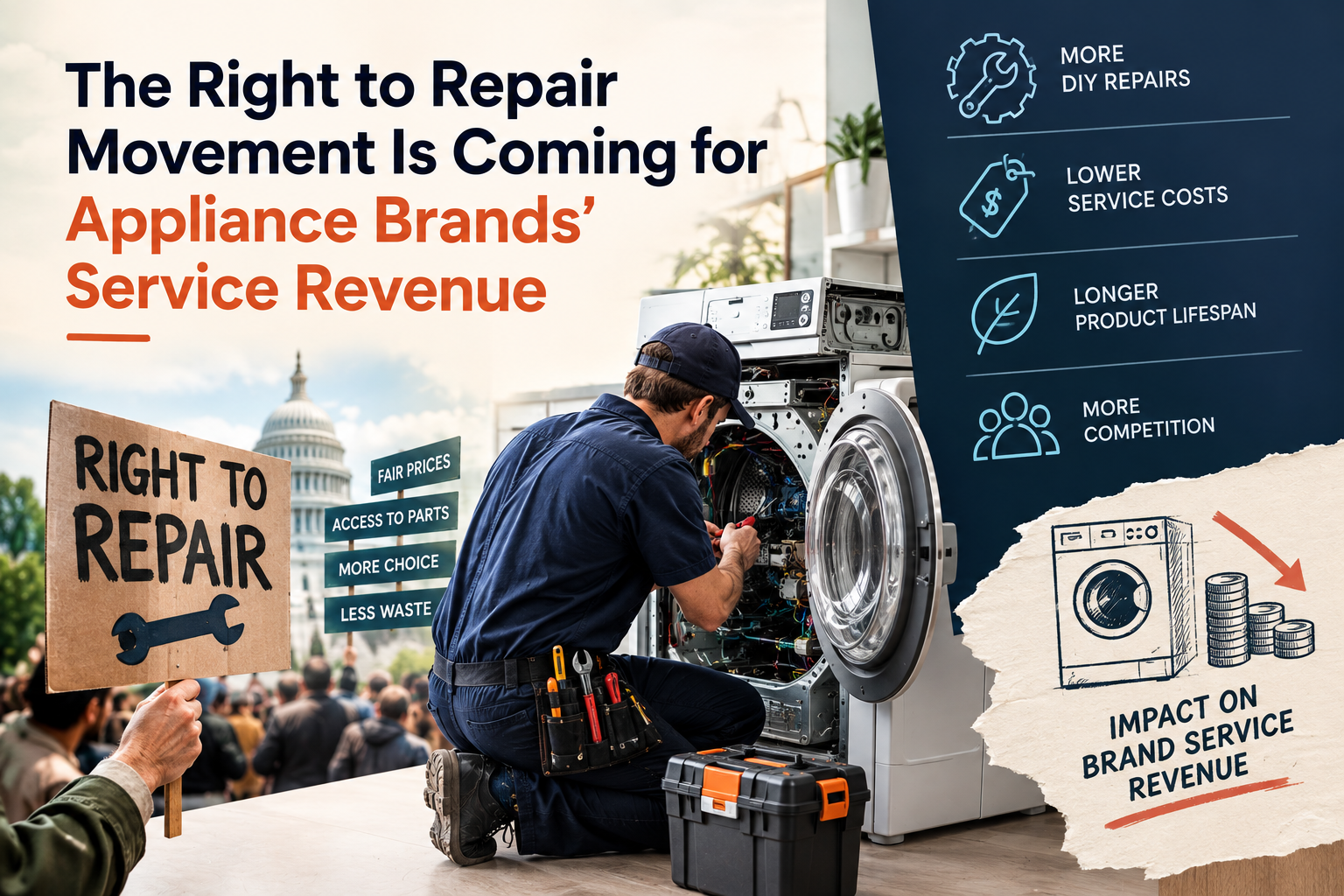

State-level Right to Repair legislation is steadily expanding, requiring appliance manufacturers to provide parts, tools, and repair manuals to consumers and independent repair shops, not just authorized service networks.
For an industry that has long relied on proprietary service relationships as a meaningful revenue stream, this is a structural shift, not a minor compliance update.
A few things are true about where this is heading:
● More states are moving toward requiring open access to repair information and parts
● That access changes who a consumer can turn to when something breaks
● Manufacturers historically capturing high-margin service revenue face new competition from independent repair
● Brands that get ahead of this shift by supporting self-service and independent repair well may protect trust even as they lose some service exclusivity
Current Appliance Shopper Trends
1. Consumers Increasingly Expect Repair Options, Not Just Replacement
As repair information becomes more accessible, more consumers are open to fixing an appliance rather than replacing it, especially for costly major appliances.
2. Trust in a Brand Extends to How It Handles Repair
A brand that makes repair difficult or opaque risks the relationship with an owner well beyond the original sale, especially as consumers become more aware they have alternatives.
3. DIY and Independent Repair Are Becoming More Mainstream
Wider access to parts and manuals is normalizing repair options that used to be reserved for professionals only, changing what consumers expect to be able to do themselves.
Industry Trends Impacting the Appliance Market
1. Service Revenue Models Are Under Real Pressure
Manufacturers that have relied on proprietary service networks for a meaningful share of revenue are facing new competitive pressure as legislation opens that market to independent repair.
2. Brands Have a Choice in How They Respond
Some manufacturers are treating this shift adversarially, resisting where possible. Others are getting ahead of it by making repair information genuinely accessible and useful, which tends to build more goodwill with owners.
3. Video Can Make Repair Genuinely Accessible, Not Just Technically Compliant
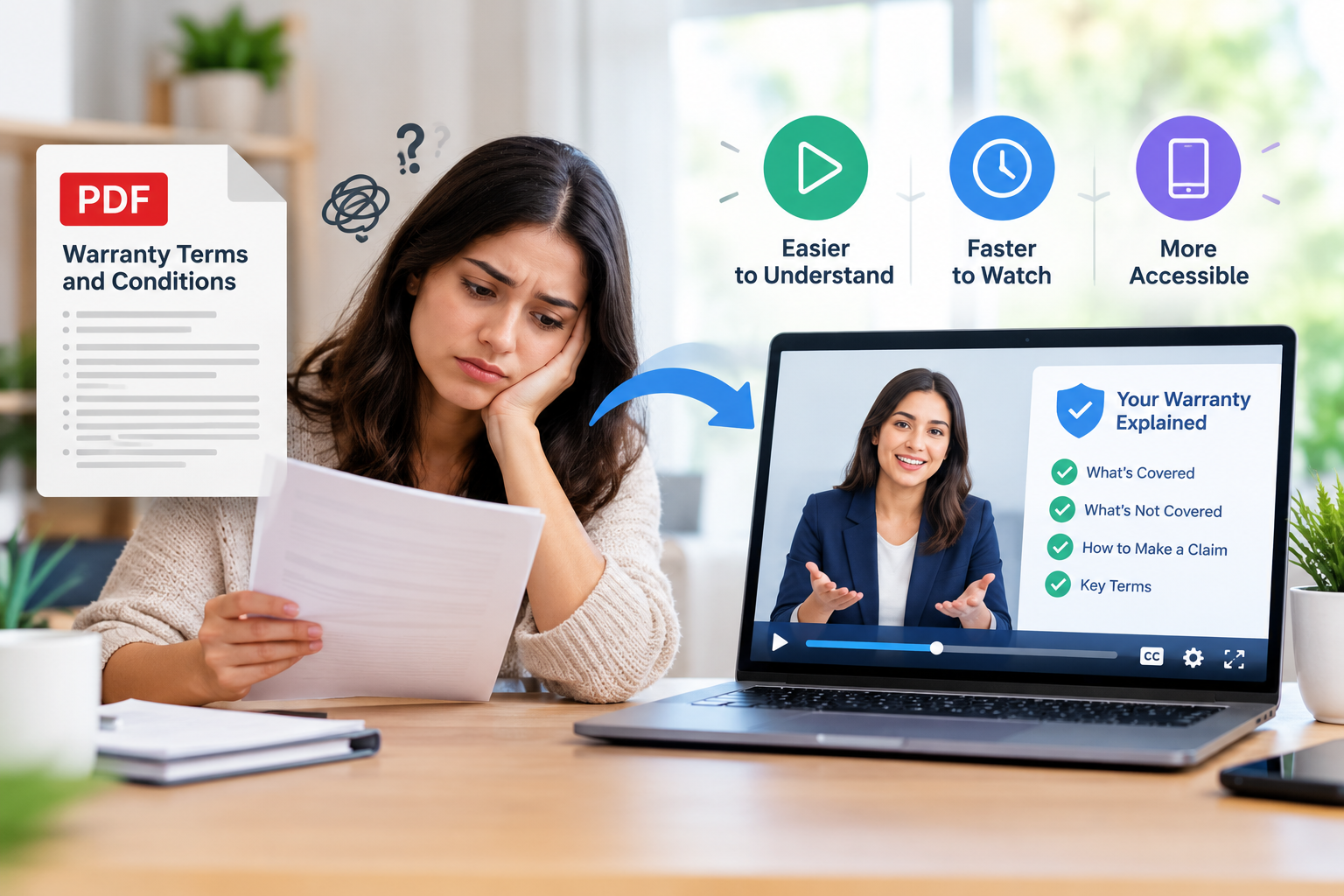
Providing a repair manual satisfies a legal requirement. A clear video walkthrough of a common repair actually helps a consumer succeed at it. AI-generated video makes it realistic to produce that kind of practical repair and maintenance content across a wide range of models, turning a compliance obligation into a genuine trust-building opportunity.
Challenges and Opportunities in Home Appliances
The challenge is real: this legislative trend is reducing a revenue stream that many manufacturers have depended on for years.
The opportunity is that consumer goodwill is up for grabs here. Brands that make repair genuinely easy, rather than just technically compliant, can turn a regulatory loss into a trust advantage over competitors handling the transition poorly.
Strategic Recommendations for Home Appliance Brands and Retailers
The first priority is treating repair information as a genuine service to owners, not just a legal minimum to satisfy.
The second is using video to make common repairs actually achievable for consumers and independent repair shops, not just theoretically documented.
The third is being transparent with owners about repair options, rather than steering them toward proprietary service by default when independent alternatives now exist.
Looking Ahead
Right to Repair legislation is expanding, not slowing down, and the brands that adapt their approach to repair now will be in a stronger position with consumers than those still treating every legislative requirement as a fight to resist.
Want to turn repair support into a trust advantage instead of a compliance burden? See how leading appliance brands are using video to make repair genuinely accessible to owners.
FAQ
What is Right to Repair legislation and how does it affect appliance brands?
Right to Repair laws require manufacturers to provide parts, tools, and repair manuals to consumers and independent repair shops, not just authorized service networks, which reduces the exclusivity manufacturers previously had over appliance repair.
Why does Right to Repair legislation matter for appliance service revenue?
Many appliance manufacturers have relied on proprietary service relationships as a significant revenue source. Wider access to repair information and parts introduces new competition from independent repair providers.
How can appliance brands respond positively to Right to Repair requirements?
By making repair information genuinely useful and accessible, such as through video walkthroughs of common repairs, rather than simply meeting the legal minimum with technical documentation.
Are consumers more likely to repair appliances instead of replacing them now?
As repair information and parts become more accessible, more consumers are considering repair as a viable option, particularly for costly major appliances, rather than defaulting to replacement.
Unlock Exclusive Insights
By submitting this form, you agree to Firework's privacy policy and consent to receive personalized marketing communications. You can unsubscribe at any time.