The Room, Not the Product, Is What Appliance Shoppers Are Actually Buying
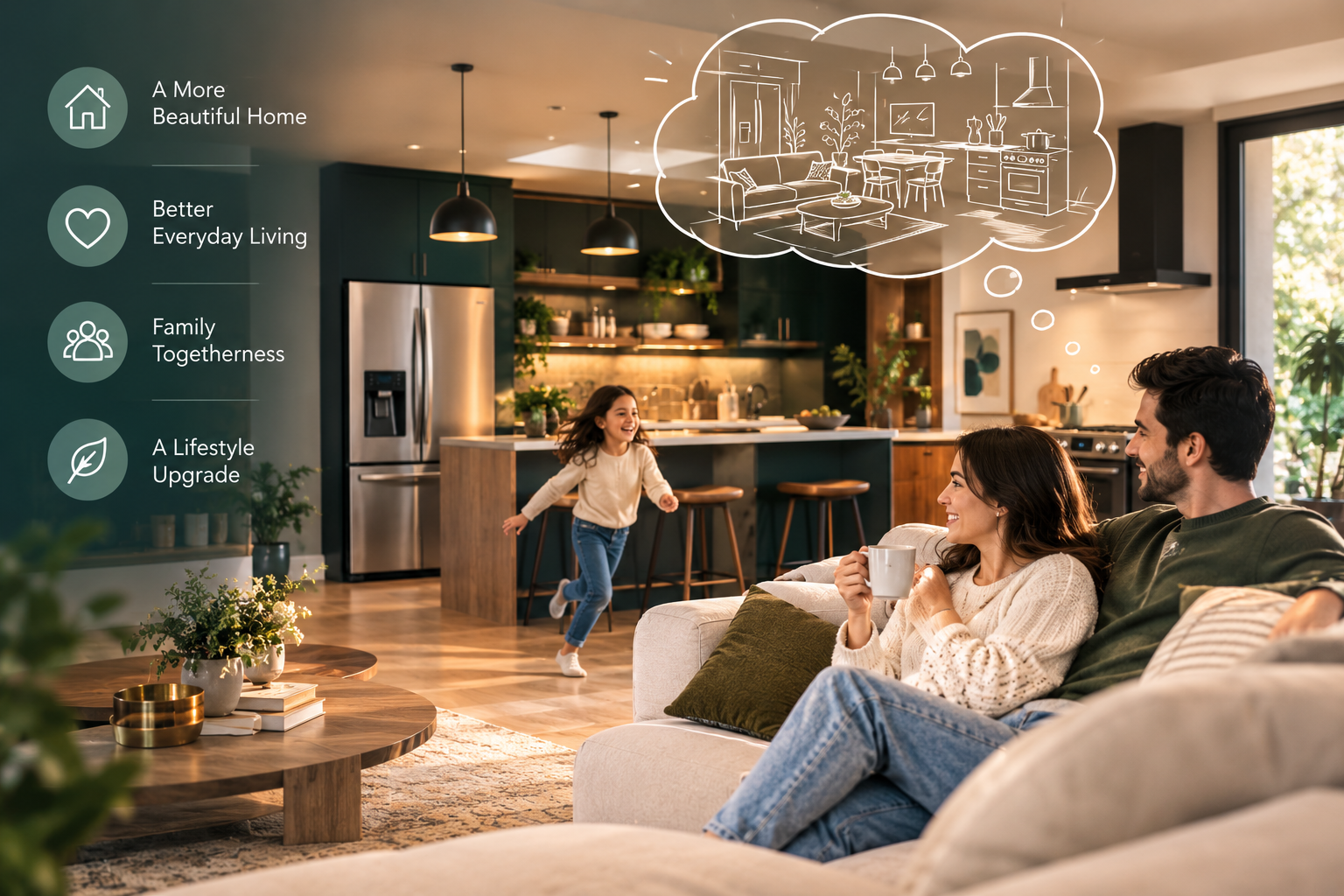

An appliance almost never gets bought in isolation. A refrigerator has to work with a kitchen's layout and style. A washer and dryer have to fit a laundry room a shopper already has in mind. A range has to look right next to cabinets that already exist.
Most product photography shows the appliance against a plain background, isolated from all of that. It answers what the product looks like. It doesn't answer whether it will look right in the actual space a shopper is picturing.
A few things are true about this gap:
● Shoppers are mentally placing a product into their own space long before they buy it
● An isolated product photo requires a shopper to do that visualization entirely on their own
● A mismatch between imagined and actual fit is a common, quiet source of post-purchase disappointment
● Content that shows a product in a real room setting does work an isolated photo simply can't
Current Appliance Shopper Trends
1. Shoppers Are Renovating Around a Vision, Not Just Replacing a Broken Unit
Many appliance purchases happen as part of a broader kitchen or laundry refresh, where the shopper already has a specific aesthetic and layout in mind that the new appliance needs to fit into.
2. Isolated Product Shots Leave the Hardest Question Unanswered
A shopper can evaluate color and finish from a studio photo. Whether that finish will actually look right against their own cabinetry or countertop is a much harder question a plain background can't answer.
3. Buyer's Remorse Often Traces Back to a Fit-in-Space Mismatch
When a new appliance doesn't feel right once installed, it's frequently not a functional problem, it's a visual and spatial one that a shopper couldn't have anticipated from an isolated product image.
Industry Trends Impacting the Appliance Market
1. Lifestyle and In-Context Content Is Still the Exception, Not the Norm
Despite how central "how will this look in my space" is to the decision, most product content still defaults to a plain, isolated shot rather than a realistic room setting.
2. Style Coordination Is Becoming a Real Purchase Driver
As design-conscious, customizable appliance options grow, matching a specific aesthetic is becoming as important to some shoppers as core functionality, which raises the stakes on showing real context.
3. Video Can Show a Product Living in a Real Space, Not Just Standing Alone
A photo against a white background answers "what is this." Video showing an appliance in a styled kitchen or laundry room, at different angles, in realistic lighting, answers "will this actually work in my space." AI-generated video makes it realistic to produce that kind of in-context content across a wide range of finishes and room styles, not just a handful of showcase kitchens.
Challenges and Opportunities in Home Appliances
The challenge is that most appliance content is still built around the product in isolation, which leaves the spatial and stylistic question, arguably the harder one, largely unanswered.
The opportunity is that this is a solvable content gap, and one most competitors haven't fully closed, which makes real in-context content a meaningful point of differentiation.
Strategic Recommendations for Home Appliance Brands and Retailers
The first priority is supplementing isolated product shots with real in-context content showing the appliance in a styled, realistic room setting.
The second is producing that content across a range of styles and finishes, since a single showcase kitchen doesn't answer the question for every shopper's actual space.
The third is treating this content as directly tied to reducing post-purchase disappointment, not just as a merchandising nicety.
Looking Ahead
Shoppers were always buying more than just the appliance itself, they were buying how it would fit into a space they already had in mind. Brands that show that fit clearly, rather than leaving shoppers to imagine it, will reduce the mismatch between expectation and reality that quietly undermines satisfaction after the sale.
Want shoppers to see exactly how your products fit into a real space? See how leading appliance brands are using video to show the room, not just the product.
FAQ
Why do appliance shoppers care about how a product looks in a room, not just on its own?
Most appliance purchases are part of a broader kitchen or laundry setup, so shoppers need to know a product will actually fit their space and style, not just evaluate it as a standalone item.
What is a common cause of buyer's remorse with appliance purchases?
A mismatch between how a shopper imagined a product fitting their space and how it actually looks once installed is a frequent, often overlooked source of post-purchase disappointment.
How can appliance brands show products in realistic settings?
Video content showing an appliance in a styled kitchen or laundry room, from multiple angles and in realistic lighting, helps shoppers evaluate fit and style in a way an isolated product photo can't.
Why is in-context appliance content still uncommon despite its importance?
Producing content across many finishes and room styles has traditionally been costly, which has kept most brands relying on simpler, isolated product photography instead.
Unlock Exclusive Insights
By submitting this form, you agree to Firework's privacy policy and consent to receive personalized marketing communications. You can unsubscribe at any time.