Why 2026's Energy-Efficiency Rules Are Forcing an Appliance Replacement Cycle
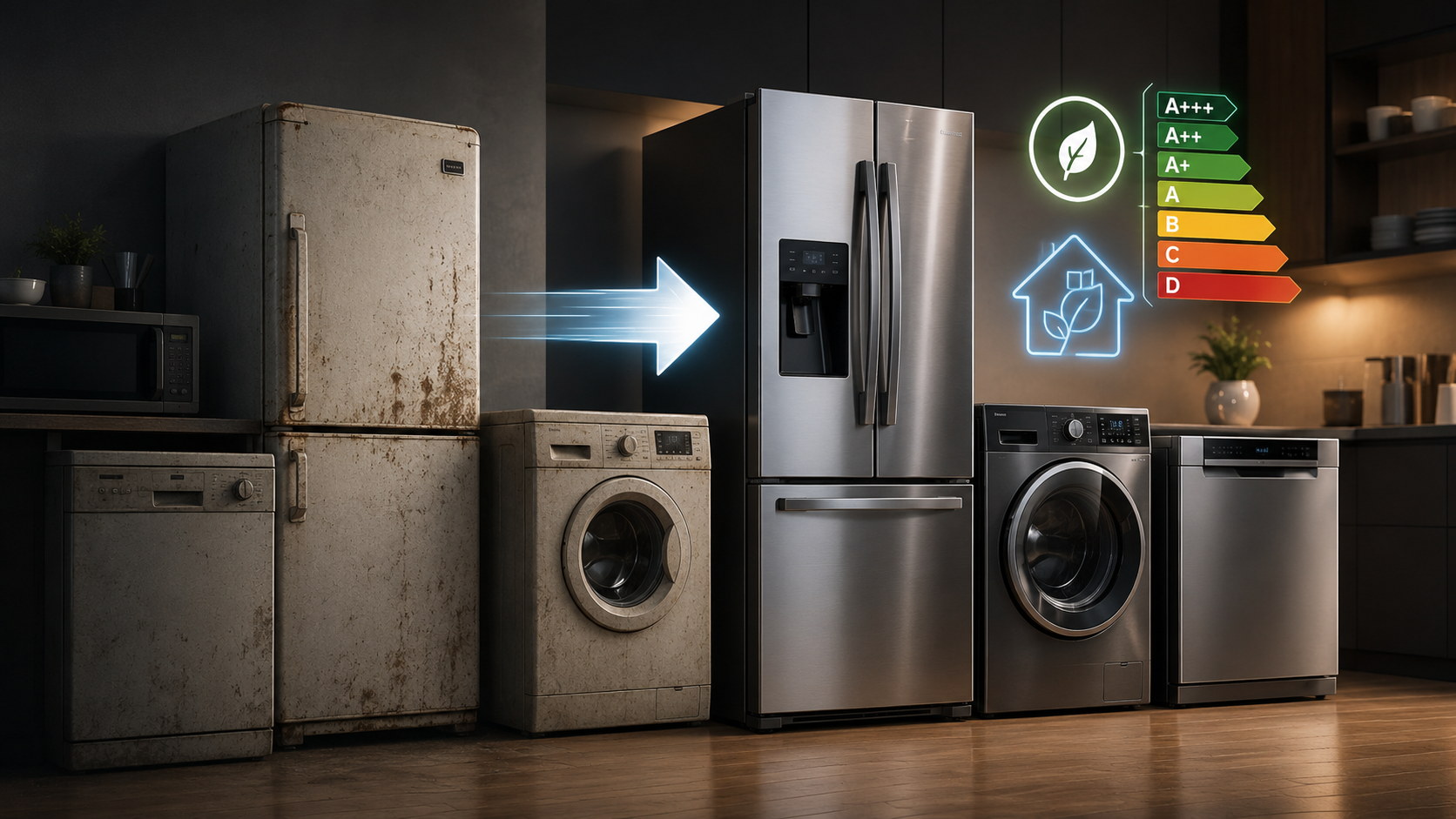

New efficiency standards are quietly resetting the appliance replacement clock in 2026.
In the US, the Department of Energy's finalized efficiency standards begin taking effect this year for commercial water heaters, with compliance dates extending through 2029 for residential boilers. The DOE estimates these standards will save American households more than $1 billion annually in utility bills, and nearly $20 billion over 30 years of shipments.
In India, the Bureau of Energy Efficiency implemented stricter star-rating norms for refrigerators, air conditioners, ceiling fans, and solar inverters effective January 1, 2026.
Two different regulators. Same underlying story.
Regulation is compressing the natural replacement cycle, and shoppers now have to make sense of a wave of new compliance language at exactly the moment they're deciding what to buy.
A few things are converging at once:
- Compliance deadlines are creating real urgency around specific categories, not just general "upgrade" messaging
- Shoppers don't know what the new ratings mean without help
- Retailers have a narrow window to turn regulatory pressure into a merchandising opportunity
- Trade-in and replacement incentives are becoming a bigger part of the purchase decision
Current Appliance Shopper Trends
1. Replacement Cycles Are Starting Earlier Than Usual
Historically, appliance replacement has tracked wear and tear, not regulation. That's shifting.
Shoppers are now being pushed to replace working appliances ahead of schedule, either because a unit will soon fall out of compliance or because a trade-in incentive makes waiting the more expensive option.
This means retailers can't rely on the old timing signals. A shopper researching refrigerators today may be responding to a rating change, not a broken unit.
2. Ratings and Certifications Are Becoming a Purchase Filter
Energy Star, BEE star ratings, and similar labels used to be a secondary detail on the spec sheet. They're becoming a primary filter.
Shoppers are increasingly starting their search with a rating requirement already in mind, especially where a rebate or tax credit depends on it.
3. Confusion Is Costing Conversions
New standards mean new terminology, and most shoppers don't have the background to translate a rating change into what it actually means for their monthly bill or their eligibility for an incentive.
When that translation doesn't happen quickly, shoppers abandon the page rather than dig for the answer themselves.
Industry Trends Impacting the Appliance Market
1. Compliance Messaging Is Becoming a Competitive Advantage
Retailers that can explain a rating change in plain terms, fast, are converting shoppers that competitors are losing to confusion.
This isn't about legal disclosure language. It's about making a regulatory shift feel like useful information instead of a barrier.
2. The SKU Complexity Problem Just Got Bigger
Home appliances already carry heavy SKU complexity: finishes, configurations, installation types. New compliance tiers add another layer of variation that shoppers need explained, model by model.
Traditional video production can't keep pace with that. Every configuration would need its own explainer, and appliance catalogs are large.
3. AI-Generated Video Is the Only Way to Cover the Full Catalog
This is where AI-generated video changes the math. Instead of producing a handful of hero videos and leaving the rest of the catalog undocumented, brands can generate demo and explainer content across every SKU and rating tier at scale.
Paired with an AI shopping agent, a shopper can ask a direct question, "does this qualify for the rebate," and get a real answer instead of hunting through a spec sheet. That combination turns a confusing compliance moment into a faster path to purchase.
Challenges and Opportunities in Home Appliances
The challenge is real: shoppers are facing more regulatory complexity than they're equipped to interpret on their own, and most product pages weren't built to explain it.
The opportunity is that this complexity is temporary and category-specific, which means the retailers who solve it well right now capture a replacement cycle that's happening faster than normal.
Strategic Recommendations for Home Appliance Brands and Retailers
The first priority is translating every new rating or compliance requirement into plain language on the product page, not just a spec sheet footnote.
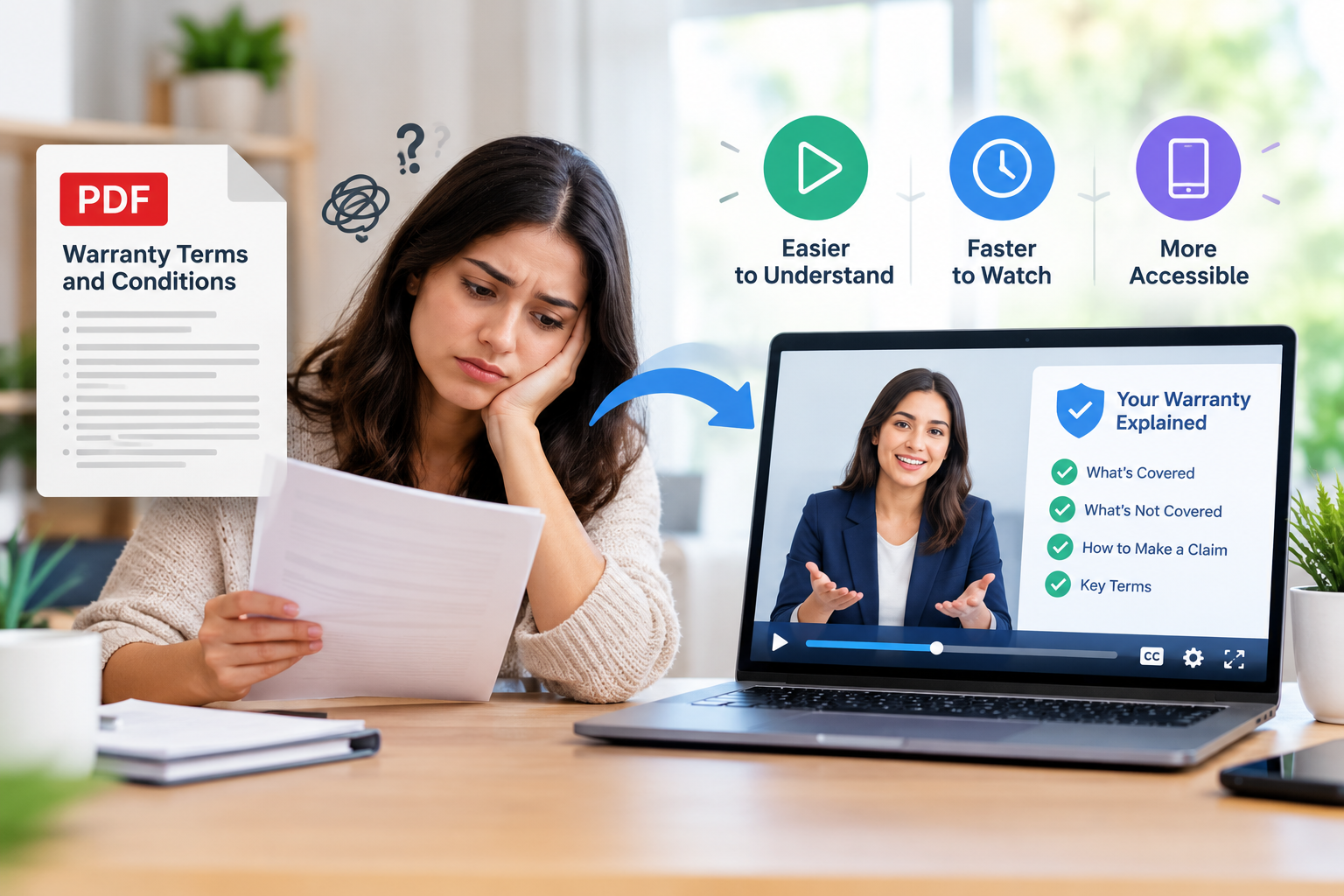
The second is treating video as the explanation layer for compliance, not just a lifestyle add-on. A 30-second explainer answers a question a paragraph of legal text won't.
The third is making that explanation available at scale, across the full SKU range, so no configuration is left without an answer.
Looking Ahead
Regulatory-driven replacement cycles aren't going away. If anything, more categories will see this same pattern as efficiency standards continue to tighten across markets.
The brands that treat compliance as a content problem, not just a legal one, will be the ones that turn this cycle into growth instead of confusion.
Want to help shoppers understand what a new efficiency rating actually means for them? See how AI-generated video and shopping agents can explain compliance across your full catalog, at scale.
FAQ
Why are appliance replacement cycles happening earlier in 2026?
New DOE efficiency standards in the US and BEE star-rating requirements in India are pushing shoppers to replace appliances ahead of their normal wear-and-tear timeline, often to qualify for rebates or stay ahead of compliance deadlines.
How do new efficiency ratings affect appliance shopping decisions?
Ratings like Energy Star or BEE star ratings are shifting from a secondary spec to a primary search filter, especially when a rebate or tax credit depends on meeting a specific rating.
Why is video important for explaining appliance compliance?
Compliance and rating changes are hard to interpret from a spec sheet alone. Video can translate what a rating means in plain terms, in seconds, which reduces the confusion that causes shoppers to abandon a product page.
How can brands cover compliance explanations across a large appliance catalog?
AI-generated video makes it possible to produce explainer content across every SKU, finish, and rating tier without the time and cost of traditional video production for each configuration.
Unlock Exclusive Insights
By submitting this form, you agree to Firework's privacy policy and consent to receive personalized marketing communications. You can unsubscribe at any time.