Why a Beauty Brand's Return Policy Is Quietly Part of Its Marketing
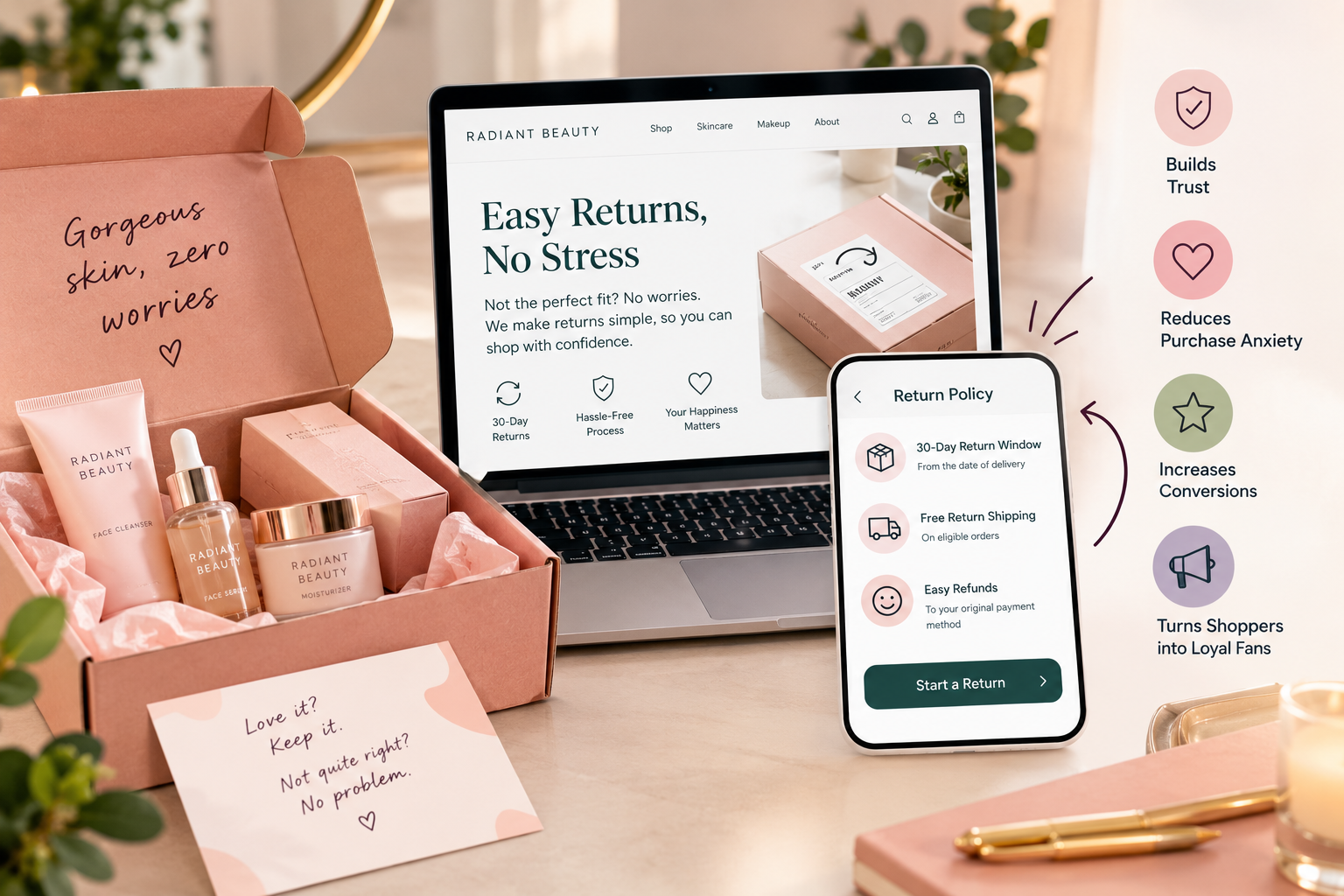

A return policy usually lives in the website footer, written in careful, neutral language, and mostly ignored until a shopper actually needs it. Most brands treat it as an operational necessity, not a marketing asset.
That's a missed opportunity, especially in beauty, where the risk of buying the wrong shade, the wrong formula, or something that just doesn't work for a shopper's skin is real and well understood by every buyer. A clear, generous, visible return policy directly addresses that risk before it ever becomes a purchase objection.
A few things are true about how return policies actually function:
● Shoppers factor in return risk when deciding whether to try an unfamiliar product
● A vague or hard-to-find return policy adds to that risk rather than reducing it
● A policy a shopper has to search for doesn't build confidence at the moment it matters most, before purchase
● Brands that make their return policy visible and simple are removing a real barrier competitors are leaving in place
Current Beauty Consumer Trends
1. Shade and Formula Mismatch Risk Weighs Heavily on New Purchases
Shoppers considering an unfamiliar beauty product are often weighing the real possibility that the shade or formula won't work for them, a risk that's especially pronounced for anything ordered online without testing.
2. A Confusing Return Process Discourages Trial More Than Shoppers Realize
Uncertainty about how, or whether, a return will actually work quietly discourages shoppers from trying something new, even when they're otherwise interested in a product.
3. Shoppers Rarely Read a Return Policy Until They Need One
Most shoppers don't proactively check return terms before buying. A generous policy that isn't visible at the point of decision doesn't get credit for reducing the risk it was designed to address.
Industry Trends Impacting the Beauty Market
1. Return Policy Clarity Is an Underused Conversion Lever
Most beauty brands treat their return policy as a compliance necessity rather than a purchase-confidence tool, missing an opportunity to directly reduce a real, common source of hesitation.
2. Generous Policies Only Work If Shoppers Actually See Them
A brand with an excellent return policy buried in a footer link gets little of the conversion benefit that a brand actively surfacing the same policy at the point of decision would capture.
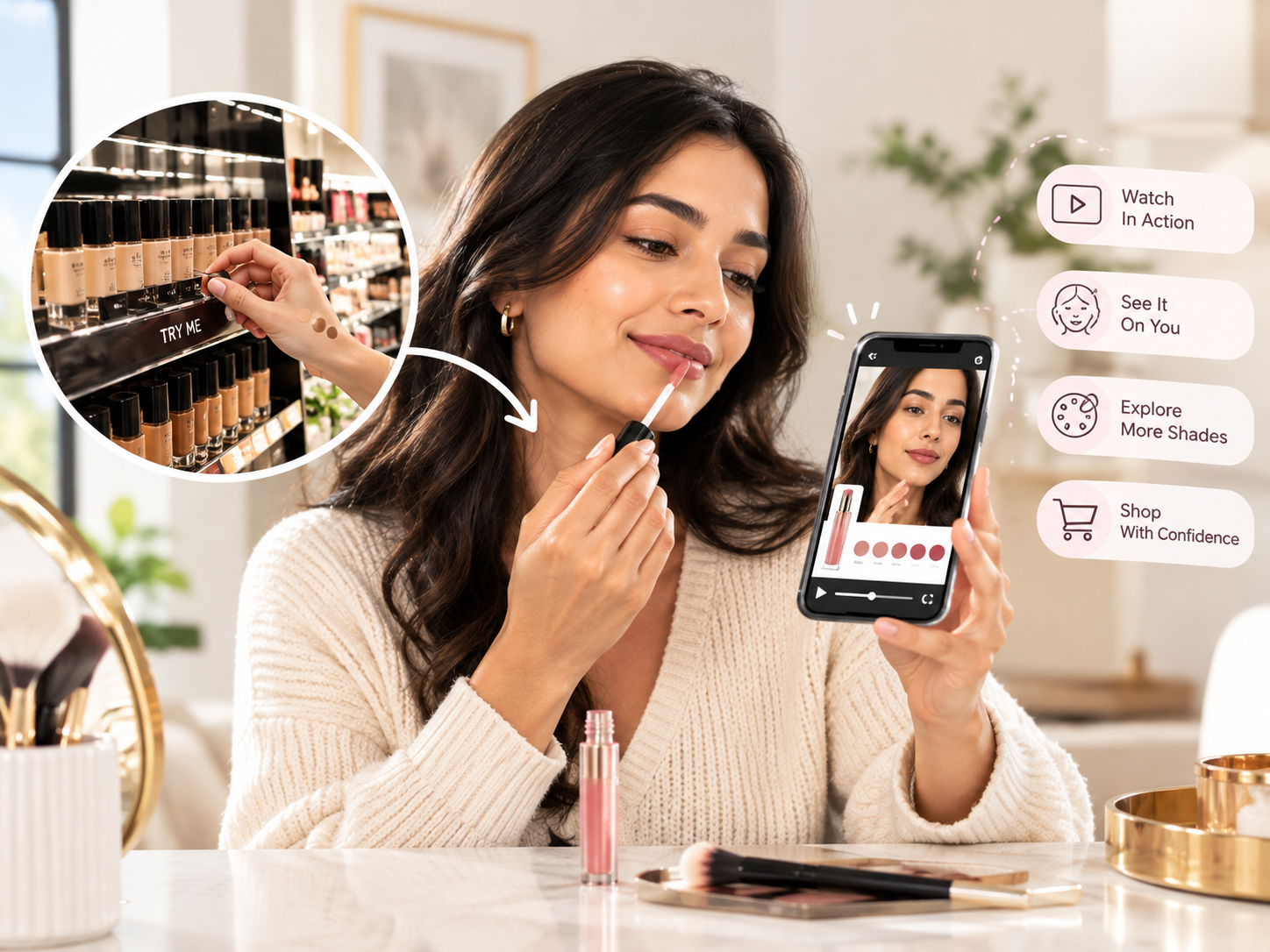
3. Video and AI-Generated Images Can Make a Return Policy Feel Real, Not Just Legal
A written policy states the terms. Video showing how simple the actual return process is, in practice, does more to reduce a shopper's perceived risk than the same information presented as legal text. A simple AI-generated image, like a clear step-by-step visual of the return process, can reinforce that same reassurance right on the product page, without requiring a shopper to watch anything.
Challenges and Opportunities in Beauty
The challenge is that most brands have built reasonably good return policies but haven't invested in making them visible or reassuring at the actual moment of purchase decision.
The opportunity is that this is a low-cost fix relative to its impact. A policy a brand already has can do far more work simply by being seen and understood before a shopper hesitates.
Strategic Recommendations for Beauty Brands and Retailers
The first priority is surfacing return policy information at the point of purchase decision, not just in a footer link most shoppers never click.
The second is using video to show how simple the actual process is, since demonstrated simplicity reduces perceived risk more effectively than written terms alone.
The third is treating return policy communication as part of the marketing function, not purely a legal or operations responsibility.
Looking Ahead
A generous return policy that shoppers don't see or understand does almost none of the trust-building work it's capable of. Brands that treat return policy communication as a real part of the purchase decision, not an afterthought, will convert more first-time buyers who are currently hesitating over a risk the brand has already solved for.
Want your return policy to actually reduce hesitation, not just sit in a footer? See how leading beauty brands are using video and AI-generated images to make a good policy feel genuinely reassuring.
FAQ
Why does a return policy matter for beauty purchase decisions?
Shoppers considering an unfamiliar beauty product often weigh the risk that a shade or formula won't work for them, and a clear, visible return policy can directly reduce that hesitation before it becomes a reason not to buy.
Do most shoppers check a beauty brand's return policy before purchasing?
Most shoppers don't proactively look for return policy details before buying. A strong policy that isn't visible at the point of decision doesn't get credit for the confidence it could otherwise provide.
How can beauty brands make their return policy more effective as a marketing tool?
By surfacing policy information directly at the point of purchase decision rather than only in a footer link, and using video or a simple visual walkthrough to show how simple the actual return process is in practice.
Why is video more effective than text for communicating a return policy?
Video demonstrating an actual return process can reduce a shopper's perceived risk more effectively than written legal terms, since seeing simplicity in action is more reassuring than reading about it.
Unlock Exclusive Insights
By submitting this form, you agree to Firework's privacy policy and consent to receive personalized marketing communications. You can unsubscribe at any time.