Why Beauty Brands Need a Different Video Strategy for Every Skin Tone and Type
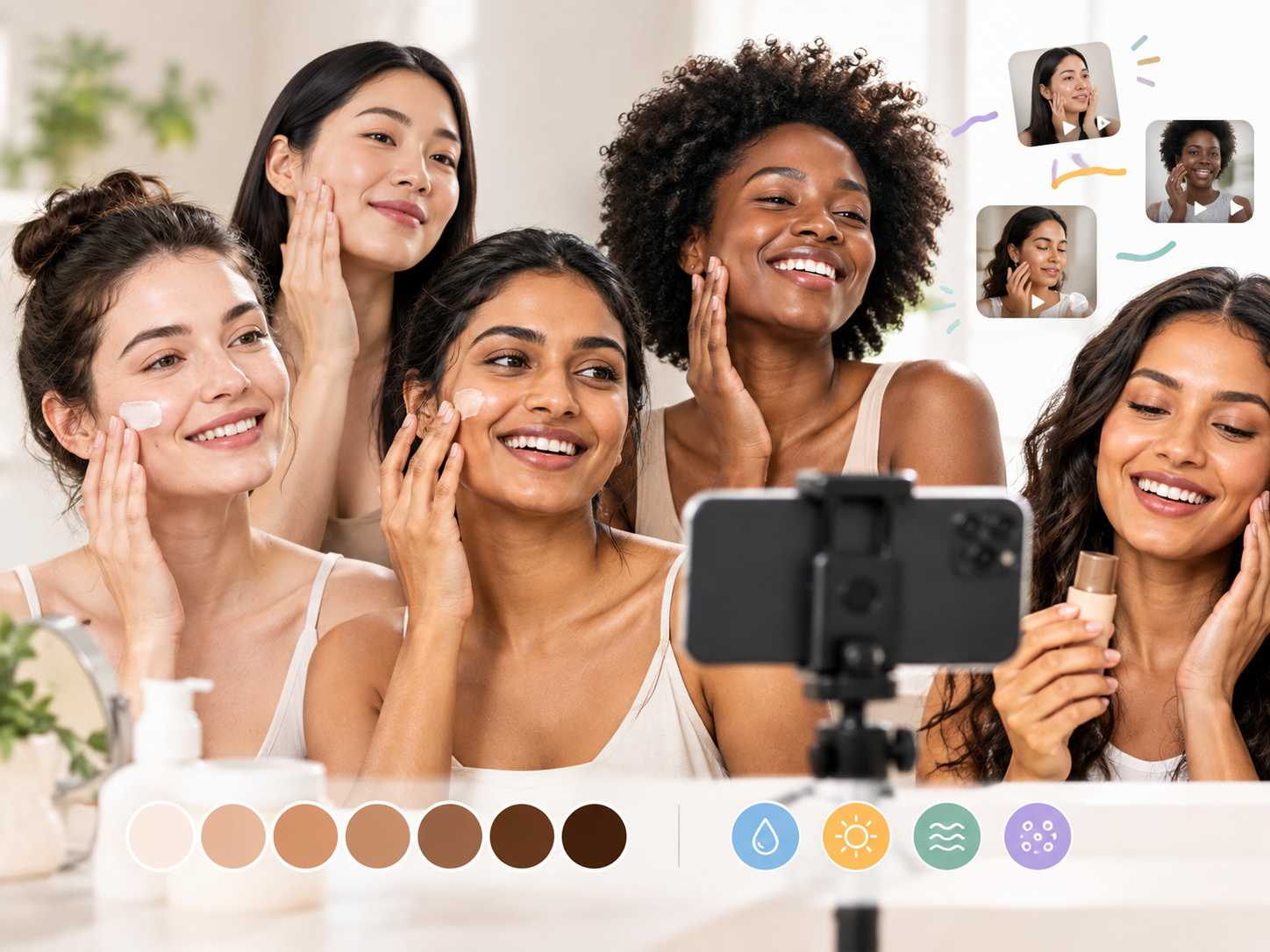

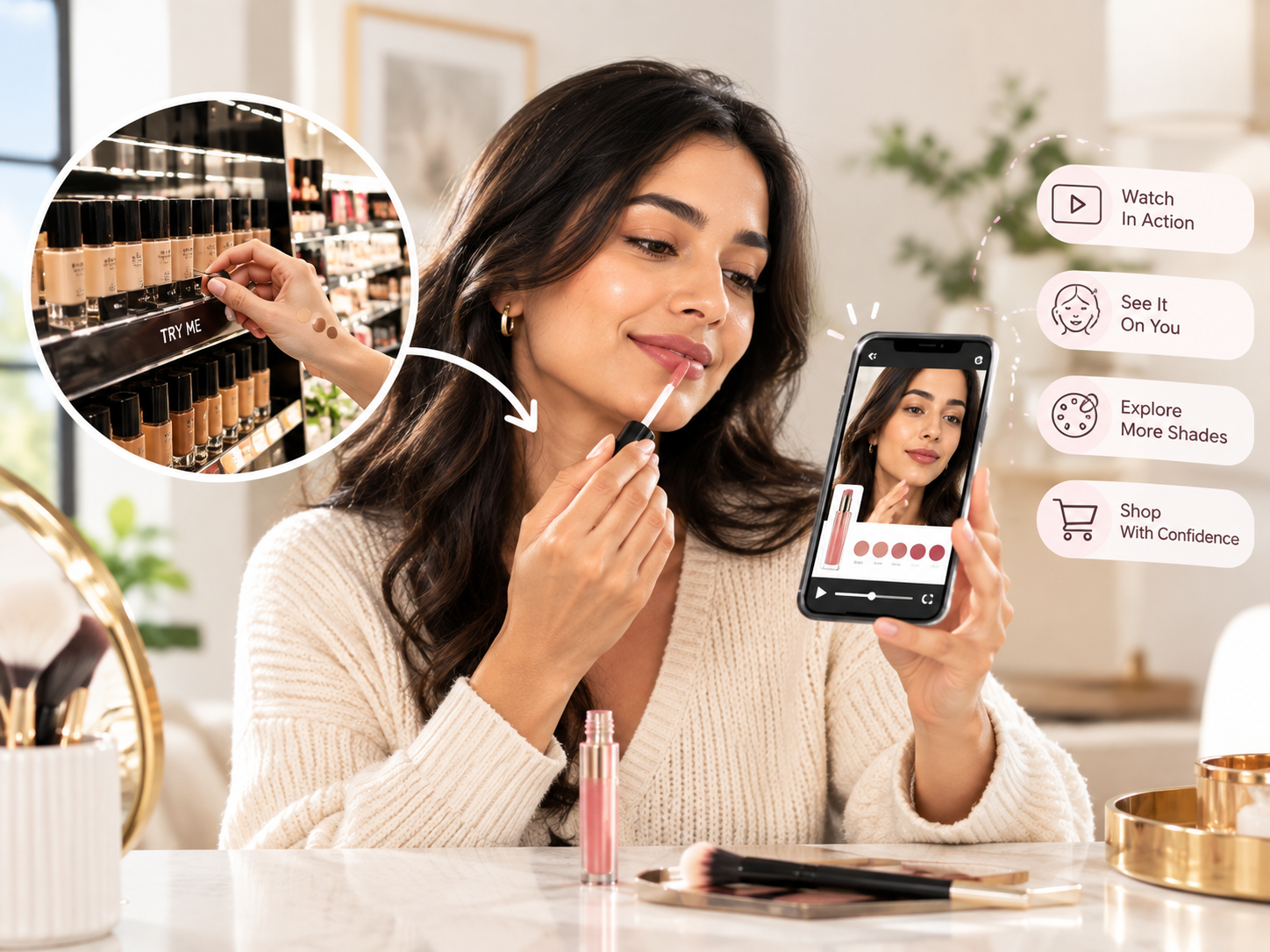
A single demo video of a foundation, applied by one model, with one skin tone, tells a shopper how that product looks on that person. It doesn't tell a much larger group of shoppers how it will look on them.
That gap matters more in beauty than in almost any other category, since how a product performs can vary meaningfully across skin tones and skin types. A single piece of hero content was never built to answer that question for everyone.
A few things are true about this gap:
● A shopper's most pressing question is often "how will this look on someone like me," not "how does this look in general"
● One demo video, however well produced, can only answer that question for a narrow slice of shoppers
● Shoppers who can't find content representing their skin tone or type often assume, rightly or not, that a brand hasn't considered them
● This isn't primarily a production problem anymore, it's a scale problem
Current Beauty Consumer Trends
1. Shoppers Actively Look for Content That Reflects Them
Many shoppers specifically seek out reviews, demos, or user content from people who share their skin tone or skin type before trusting a product claim.
2. A Missing Representation Gap Reads as a Brand Signal
When a shopper can't find any content showing a product on someone who looks like them, it often reads as the brand not having considered their needs, whether or not that's actually true.
3. Skin Type Adds a Second Layer Beyond Tone
Beyond tone, how a product performs on oily, dry, combination, or mature skin can vary significantly, adding another dimension shoppers are trying to evaluate before buying.
Industry Trends Impacting the Beauty Market
1. Representation Has Moved From a Values Statement to a Conversion Factor
What used to be framed primarily as a brand values issue is increasingly a direct driver of whether a shopper trusts a product enough to buy it.
2. User-Generated Content Has Partially Filled This Gap, Unevenly
Reviews and creator content have helped address representation gaps, but coverage is inconsistent and depends on what shoppers happen to post, not on what a brand can reliably provide.
3. Producing Content Across Tones and Types at Scale Is Now Realistic
This is where AI-generated video changes what's actually achievable, making it possible to produce demo content across a meaningfully wider range of skin tones and types than traditional production budgets have historically allowed. Paired with shoppable video on the product page, that means more shoppers can find content that actually answers their real question, not just a single, narrow example.
Challenges and Opportunities in Beauty
The challenge is that closing this gap with traditional production means multiplying shoot costs across every tone and type a brand wants to represent, which has kept many brands from doing it comprehensively.
The opportunity is that this constraint no longer has to be permanent, and brands that close the gap now are addressing something shoppers notice and value directly.
Strategic Recommendations for Beauty Brands and Retailers
The first priority is auditing how many skin tones and types are actually represented in current product content, honestly, not aspirationally.
The second is treating broader representation as achievable at scale, given how the economics of producing this content have changed.
The third is prioritizing representation gaps for a brand's best-selling and most visible products first, where the impact on shopper trust is highest.
Looking Ahead
Shoppers have gotten more comfortable asking, directly or through their buying behavior, whether a brand actually made something with them in mind. Brands that can answer that question with real content across a genuine range of tones and types will keep earning trust that a single hero video never could.
Want more shoppers to see themselves in your product content? See how leading beauty brands are using AI-generated video to represent a real range of skin tones and types at scale.
FAQ
Why does representation in beauty video content matter for conversion?
Shoppers often look for content showing people who share their skin tone or type before trusting a product claim. When that content is missing, it can reduce confidence in the purchase, even if the product would work well for them.
How is skin type different from skin tone when it comes to beauty content?
Skin tone refers to color, while skin type refers to characteristics like oiliness, dryness, or sensitivity. Both affect how a product performs and looks, and shoppers often want to see both reflected in the content they view.
Why has representation in beauty content historically been limited?
Traditional video production requires separate shoots for each tone or type shown, which multiplies costs and has made comprehensive representation difficult for many brands to achieve at scale.
How can AI-generated video help beauty brands improve representation?
AI-generated video makes it more economically realistic to produce demo content across a wider range of skin tones and types, addressing a gap that traditional production budgets have historically limited.
Unlock Exclusive Insights
By submitting this form, you agree to Firework's privacy policy and consent to receive personalized marketing communications. You can unsubscribe at any time.