Consumer Electronics Buying Statistics: Why Shoppers Need More Proof Before Checkout
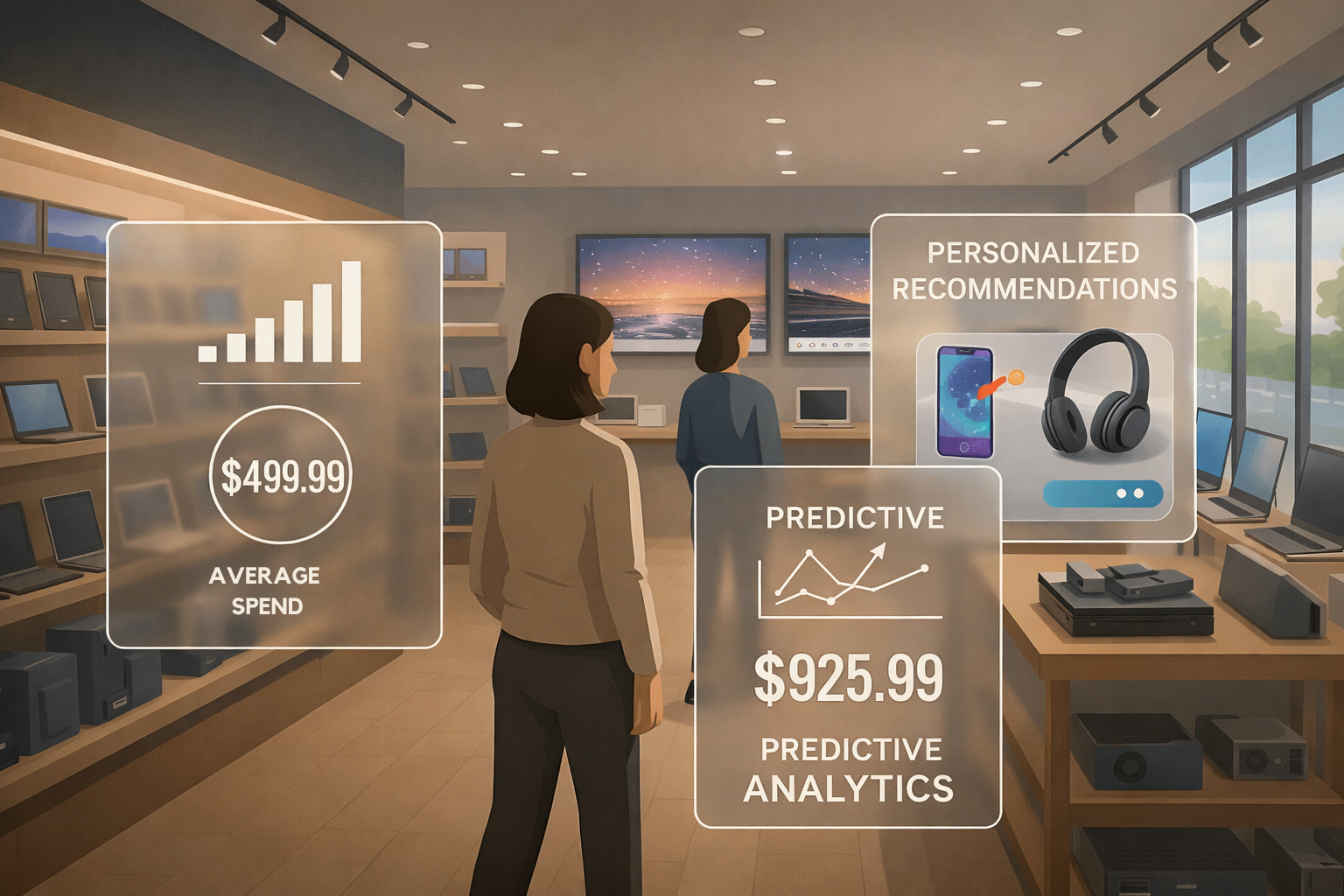

Consumer electronics remains one of the most dynamic and rapidly evolving ecommerce categories. While devices like smartphones, laptops, wearables, and smart home gadgets continue to see strong demand, shoppers are increasingly cautious and research-focused before buying, especially online.
With high price points and complex feature sets, electronics products require more proof, reassurance, and decision support before shoppers feel comfortable clicking “Buy.” Today’s consumers use multiple touchpoints, seek peer and expert validation, and hesitate unless they clearly understand performance, compatibility, and value.
1. Consumer Electronics Is a Huge and Growing Online Category
The consumer electronics market continues to expand, with online channels absorbing a growing share of total revenue.
- Global consumer electronics ecommerce sales reached significant scale, with online channels accounting for an increasing portion of total market sales. Globally, the revenue generated by the consumer electronics category was projected to exceed about $1 trillion.
- According to market forecasts, the North America consumer electronics market was valued at $245 billion in 2024 and is expected to grow steadily through the end of the decade.
These figures reflect both the size of the opportunity and the competitive pressure on retailers to capture share through better conversion strategies.
2. Electronics Shoppers Still Prefer In-Store Validation
Despite the growth of ecommerce, many electronics buyers still want some form of physical interaction before buying, because devices are technical and experiential. 64% of shoppers have scanned a QR code in-store to pull up specs, reviews, or price comparisons.
This statistic highlights the confidence gap online retailers must bridge by offering richer product proof.
3. Electronics Shoppers Use Hybrid Research Paths
Electronics buyers rarely convert after visiting only one site. They tend to research across multiple platforms like brand stores, marketplaces, review sites, and video channels.
A national study of U.S. electronics shoppers found that online discovery varies by generation, with Google search, YouTube, Amazon, and social platforms all playing key roles in exploration. Younger generations, especially Gen Z, are more likely to use social apps to discover and evaluate electronics.
This multi-touchpoint behavior increases reservation before checkout, especially when product value is high.
4. Black Friday and Holiday Spending Highlights Electronics Research Behavior
Holiday shopping events reflect consumer behavior around electronics purchases.
- In 2025, U.S. consumers were projected to spend up to $14.2 billion on Cyber Monday, with a significant share driven by electronics. AI tools and online comparison shopping were cited as drivers of this growth.
- Similarly, early reports from Black Friday 2025 noted electronics discounts drove mobile and AI-assisted shopping behavior, with nearly half of consumers using AI in research and deal discovery.
These patterns show that even during peak funnel temptation moments, consumers lean on technology and validation before checking out.
5. Age and Channel Differences Affect Electronics Research
Recent research reveals generational differences in how electronics buyers behave:
- Millennials and Gen Z show the strongest preference for online research and discovery, with a majority preferring online channels.
- Older demographics like Baby Boomers still value in-store evaluation or hybrid experiences, indicating that digital proof must sometimes supplement the reassurance of hands-on encounters.
These differences mean retail proof strategies must operate across channels, not just on site.
6. Online Reviews and Social Proof Still Drive Purchase Decisions
While specific recent category stats on electronics reviews vary by source, broader ecommerce research shows that a large share of online shoppers don’t complete purchases without reviewing peer reviews and product validation. This pattern reinforces that reviews and social proof are essential for electronics buying decisions.
Why Shoppers Seek More Proof Before Checkout
The data make one thing clear: electronics shopping is not casual. Shoppers demand proof due to:
- Technical complexity: Features like battery life, resolution, connectivity, and performance matter and require clarity.
- High price points: Electronics often represent larger investments, increasing risk aversion.
- Cross-channel research: Shoppers hop between marketplaces, search, video, and social proof sources before buying.
- Experience uncertainty: Without physical interaction, online shoppers distrust incomplete or unclear content.
What Retailers Should Do to Improve Conversion
Based on these behaviors and statistics, retailers can reduce friction and lift conversion by:
1. Elevating PDP Proof Content
Include:
- video demos and unboxings
- head-to-head comparisons
- expert and user reviews
- real-world performance breakdowns
A PDP should feel like a research destination, not just a checkout portal.
2. Consolidating Third-Party Validation Onsite
Don’t let shoppers leave to verify claims. Bring trusted review snippets, professional test results, and user-generated videos onto your PDPs.
3. Using Search and AI to Surface Relevant Evidence
Leverage search intent insights and AI suggestions to highlight the proof most relevant to each shopper’s questions.
4. Supporting Hybrid Buyer Behavior
Since many shoppers still value in-store experience, provide features like click-and-collect, live demos, QR-linked video guides, and hybrid reassurance.
Research Is Proof-Driven, Not Impulse-Driven
Consumer electronics buyers aren’t buying because they saw an ad or clicked fast. They’re deciding because they were shown proof, through detailed specs, trusted reviews, video, and comparison tools that reduce risk.
With the category’s online sales penetration rising and consumers more digitally savvy than ever, retailers that anticipate proof needs at every step of the journey, from initial search to final checkout, will win more conversions and fewer abandoned carts.
Talk to a Firework expert to see how video, AI-powered guidance, and interactive PDP experiences help electronics shoppers find the proof they need to convert with confidence.
FAQ
Why do consumer electronics shoppers research more before buying?
Electronics purchases involve higher price points, technical specifications, and long-term usage considerations. Shoppers want proof that a product meets their needs before committing, which drives deeper research and comparison behavior.
What kind of proof matters most to electronics shoppers?
Shoppers look for clear specifications, comparison tools, real-world demos, reviews, and expert validation. Video content and guided explanations are especially effective for explaining complex features.
How do PDPs impact conversion for electronics products?
PDPs serve as decision hubs. When they surface relevant proof like videos, FAQs, and reviews, shoppers are less likely to leave the site to continue research elsewhere, which improves conversion rates.
Do electronics shoppers still prefer in-store buying?
Many shoppers still value physical interaction, but online research strongly influences decisions even when purchases happen in-store. Strong digital proof supports both online and offline conversion.
How can retailers reduce cart abandonment for electronics?
By addressing uncertainty before checkout. This includes providing detailed product education, comparison tools, transparent policies, and AI-assisted answers to common questions.
What role does video play in electronics ecommerce?
Video helps shoppers understand performance, setup, size, and usability in ways static images cannot. It reduces ambiguity and increases confidence at the point of purchase.
Can AI help personalize proof for different shoppers?
Yes. AI can surface the most relevant content based on browsing behavior, highlight key features for different use cases, and answer product questions in real time.
Why is consolidating proof onsite important for retailers?
When shoppers leave to validate information elsewhere, retailers risk losing the sale. Bringing trusted proof directly onto PDPs keeps research and conversion in one place.
Unlock Exclusive Insights
By submitting this form, you agree to Firework's privacy policy and consent to receive personalized marketing communications. You can unsubscribe at any time.