Cosmetics Industry Trends: Growth, Consumer Shifts, and the Forces Reshaping Beauty Commerce
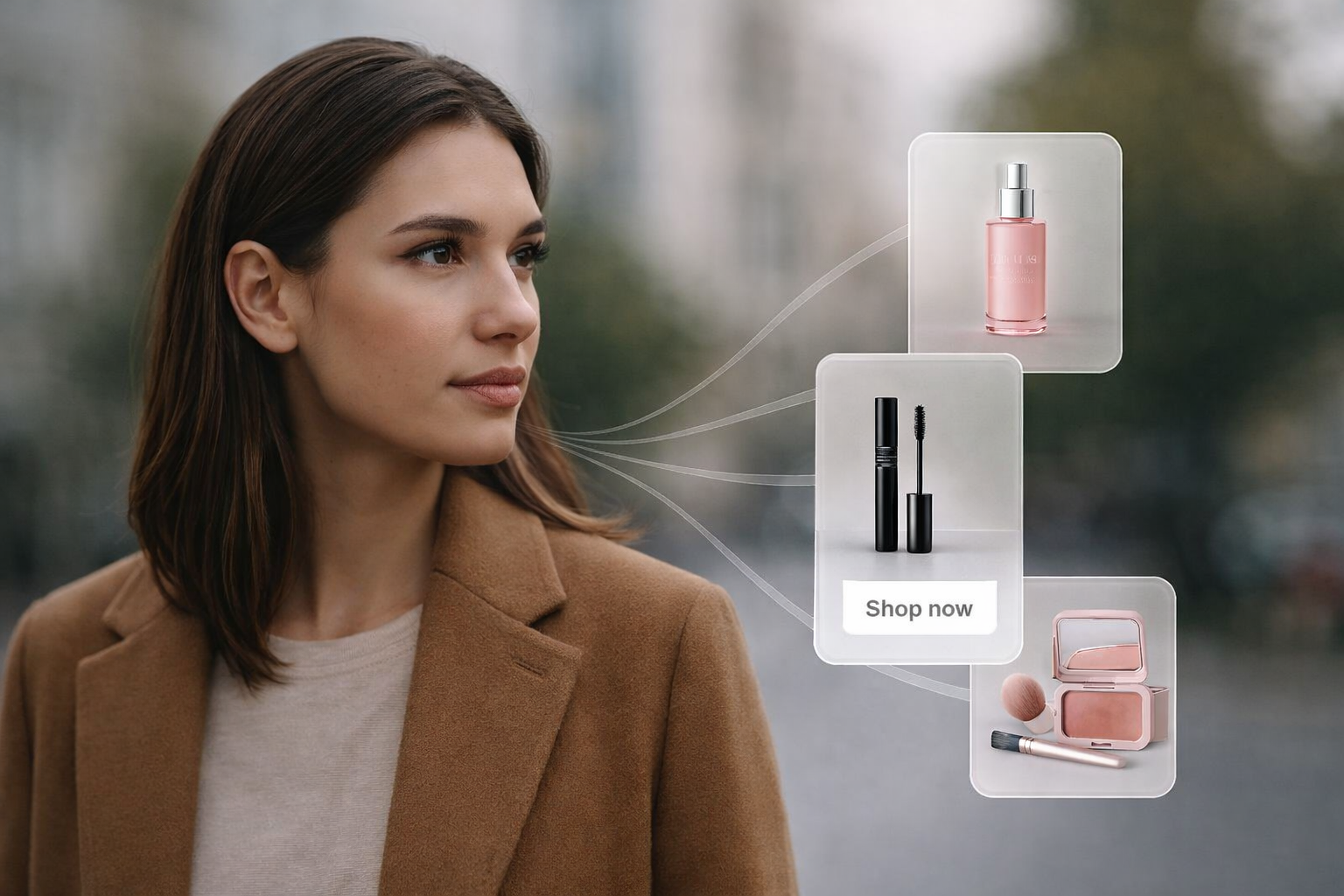

The global cosmetics market is entering its next phase of growth. Despite economic pressure, evolving consumer expectations, and a rapidly changing retail landscape, the industry continues to expand, driven by innovation, personalization, and digital-first buying behaviors.
The global cosmetics market is projected to grow from around $335.95 billion in 2024 to about $556.21 billion by 2032, representing a healthy compound annual growth rate (CAGR) of 6.64% over that period. But growth does not come without complexity. Beauty brands today face three major challenges:
- Meeting increasingly sophisticated consumer expectations
- Adopting new technologies without sacrificing trust or authenticity
- Adapting to ecommerce, omnichannel, and direct-to-consumer dynamics
Together, these forces are pushing cosmetics companies to rethink everything from product development and ingredient sourcing to how they educate, guide, and convert shoppers online.
Three Forces Reshaping the Cosmetics Industry
As beauty commerce evolves, three macro trends are redefining how consumers discover, research, and buy cosmetic products.
1. Consumers Demand Transparency, Personalization, and Performance
Today’s beauty shopper is highly informed and deeply selective. They expect products that align with their values, skin needs, and lifestyle.
Modern cosmetics consumers want:
- Products tailored to their skin type, tone, and concerns
- Transparent ingredient lists and clear claims
- Brands that demonstrate authenticity and accountability
- Results they can see, not just promises
This shift has raised the bar for both product quality and communication. Beauty brands can no longer rely on aspirational marketing alone; they must educate and guide shoppers with clarity and credibility.
2. Technology Is Transforming How Beauty Is Made and Sold
Technology is reshaping the cosmetics industry at every level, from formulation to fulfillment to the digital shelf.
Advancements in AI, data analytics, and content automation are enabling brands to:
- Develop products faster using data-driven insights
- Predict demand and optimize inventory
- Personalize shopping experiences at scale
- Deliver real-time guidance during the purchase journey
Technology is no longer a back-office efficiency play. It’s becoming central to how consumers experience beauty brands online.
3. Ecommerce and Direct Models Continue to Gain Share
Beauty has become one of the most digitally native retail categories. Ecommerce and direct-to-consumer models now play a dominant role in how cosmetics are discovered and purchased.
Key drivers include:
- Mobile-first research behavior
- Social and creator-led discovery
- Subscription and replenishment models
- Global access to niche and emerging brands
As ecommerce grows, PDPs are no longer just product pages, they are decision environments where education, trust, and conversion intersect.
Current Consumer Trends in the Cosmetics Industry
Several consumer behavior patterns define today’s beauty market and directly influence how brands must operate.
1. Price Sensitivity With a Strong Value Lens
While beauty remains a resilient category, consumers are increasingly price-conscious. Spending pressure has led shoppers to evaluate value more carefully, especially in skincare and makeup.
This doesn’t mean shoppers only want cheaper products. Instead, they look for:
- Proven efficacy
- Longevity and performance
- Clear differentiation from alternatives
Younger consumers, in particular, compare prices extensively and read reviews before buying. They are willing to pay more, but only when the value is obvious and well-explained.
2. Skin-First and Results-Driven Mindsets
Across demographics, beauty shoppers are prioritizing skin health and functional outcomes over trend-driven experimentation.
This shift has increased demand for:
- Ingredient-focused education
- Clinical or science-backed positioning
- Products that fit into longer-term routines
Brands that clearly communicate what a product does and why it works are better positioned to earn trust and repeat purchases.
3. Distinct Generational Shopping Behaviors
Beauty shopping behavior varies significantly by age group:
- Gen Z and Millennials
These shoppers prioritize personalization, inclusivity, and values alignment. Sustainability, cruelty-free claims, and transparent sourcing strongly influence decisions. They rely heavily on digital research and video content before buying. - Gen X and Baby Boomers
These consumers emphasize efficacy, safety, and brand trust. While historically store-driven, more are now shopping online, expecting clear explanations and reliable guidance. - Premium Beauty Shoppers
Often urban and higher-income, these shoppers invest in high-performance products and expect elevated digital experiences that mirror luxury retail standards.
For cosmetics brands, the mandate is clear: deliver value, demonstrate results, and tailor experiences across segments.
Industry Trends Impacting the Cosmetics Market
The cosmetics industry is undergoing structural change driven by sustainability, technology, and evolving consumer expectations.
1. Sustainability and Clean Beauty Initiatives
Sustainability has moved from a differentiator to a baseline expectation.
Key developments include:
- Clean and non-toxic formulations
- Recyclable, refillable, or reduced packaging
- Transparent sourcing and ethical manufacturing
- Carbon-conscious operations
Consumers increasingly scrutinize not just ingredients, but the entire lifecycle of a product. Brands that fail to address sustainability risk losing relevance.
2. Technology-Driven Transformation
Technology is accelerating innovation across cosmetics:
- AI-powered formulation tools speed up R&D
- Predictive analytics improve demand forecasting
- Computer vision and AI support shade matching and skin analysis
- Virtual try-on tools reduce purchase hesitation
- AI shopping assistants guide shoppers through complex decisions
- AI-generated content and video scale product education across PDPs
These tools don’t just improve efficiency, they improve confidence at the point of purchase.
Strategic Business Model Shifts in Cosmetics
Two major shifts are redefining how cosmetics brands go to market.
1. Balancing DTC and Retail Partnerships
Direct-to-consumer has given beauty brands control over data, storytelling, and customer relationships. However, many DTC-first brands are now embracing selective wholesale partnerships.
This hybrid approach offers:
- Broader distribution and visibility
- Lower acquisition costs
- Increased credibility
- Diversified revenue streams
The most successful brands treat DTC and retail as complementary, not competitive.
2. Personalization and Custom Beauty Experiences
Customization is becoming a defining feature of modern cosmetics.
Key developments include:
- AI-driven product recommendations
- Skin assessments and routine builders
- On-demand formulation and personalization
- Virtual consultations and one-to-one shopping
Digital showrooms, shoppable video, and virtual beauty advisors are enabling personalized experiences once reserved for in-store consultations, now delivered at scale online.
Challenges and Opportunities Facing the Cosmetics Industry
The path forward is not without friction.
Geopolitical and Supply Chain Pressures
Global sourcing, regulatory variation, and logistics disruptions continue to affect costs and timelines. Brands are diversifying suppliers and investing in supply chain visibility to reduce risk.
Regulatory Complexity
Stricter regulations around ingredients, labeling, and sustainability raise compliance costs but also create opportunities for brands that lead with transparency.
Economic Uncertainty
Inflation and shifting spending patterns are forcing brands to justify pricing and clearly communicate value.
Growth in Emerging Markets
Regions such as Southeast Asia, India, the Middle East, and Africa represent major growth opportunities for cosmetics brands that localize offerings and digital experiences.
Strategic Recommendations for Cosmetics Brands
To stay competitive, cosmetics companies should:
- Design PDPs as education hubs, not just sales pages
- Invest in video and AI-powered guidance to reduce research friction
- Balance DTC and retail strategies for resilience
- Embed sustainability into core operations, not just marketing
- Leverage personalization at scale to meet diverse consumer needs
Looking Ahead: The Future of Cosmetics Commerce
The cosmetics industry is entering a phase where growth is driven not just by new products, but by better experiences.
The brands that win will be those that combine:
- Scientific credibility
- Transparent practices
- Personalized digital journeys
- Scalable AI and video-driven education
The future of beauty belongs to brands that help consumers make confident decisions before, during, and after the purchase.
Explore how video-first PDPs and AI-guided shopping are shaping the future of beauty ecommerce. Connect with a Firework expert to learn more.
FAQ
How is the cosmetics industry changing in ecommerce?
The cosmetics industry is shifting toward digital-first shopping, with PDPs becoming primary research and decision hubs. Shoppers expect education, transparency, and personalized guidance before purchasing.
Why do beauty shoppers research so heavily before buying?
Cosmetics purchases are personal and outcome-driven. Shoppers want to understand ingredients, suitability for their skin type, and real-world results before committing, which increases research time and content consumption.
What role does AI play in cosmetics ecommerce today?
AI helps beauty brands personalize recommendations, guide shoppers through routines, answer common questions, and scale educational content across PDPs, improving both conversion and confidence.
How important is video content in cosmetics shopping?
Video is critical for showing texture, application, finish, and results. Beauty shoppers rely on video to validate claims and set expectations, making it a key conversion driver on PDPs.
Are sustainability and clean beauty still major trends?
Yes. Sustainability and ingredient transparency remain core expectations. Shoppers increasingly consider packaging, sourcing, and ethical practices alongside product performance.
How should cosmetics brands adapt their PDPs for modern shoppers?
Brands should design PDPs as education hubs by combining video, reviews, ingredient explanations, and AI-guided assistance to reduce uncertainty and keep research onsite.
What business models are succeeding in the cosmetics industry?
Hybrid models that balance direct-to-consumer with selective retail partnerships are performing well, offering broader reach, lower acquisition costs, and stronger brand credibility.
What’s the biggest opportunity for beauty brands going forward?
Helping shoppers make confident decisions faster. Brands that reduce research friction through AI, video, and personalized guidance will see higher conversion and stronger retention.
Unlock Exclusive Insights
By submitting this form, you agree to Firework's privacy policy and consent to receive personalized marketing communications. You can unsubscribe at any time.