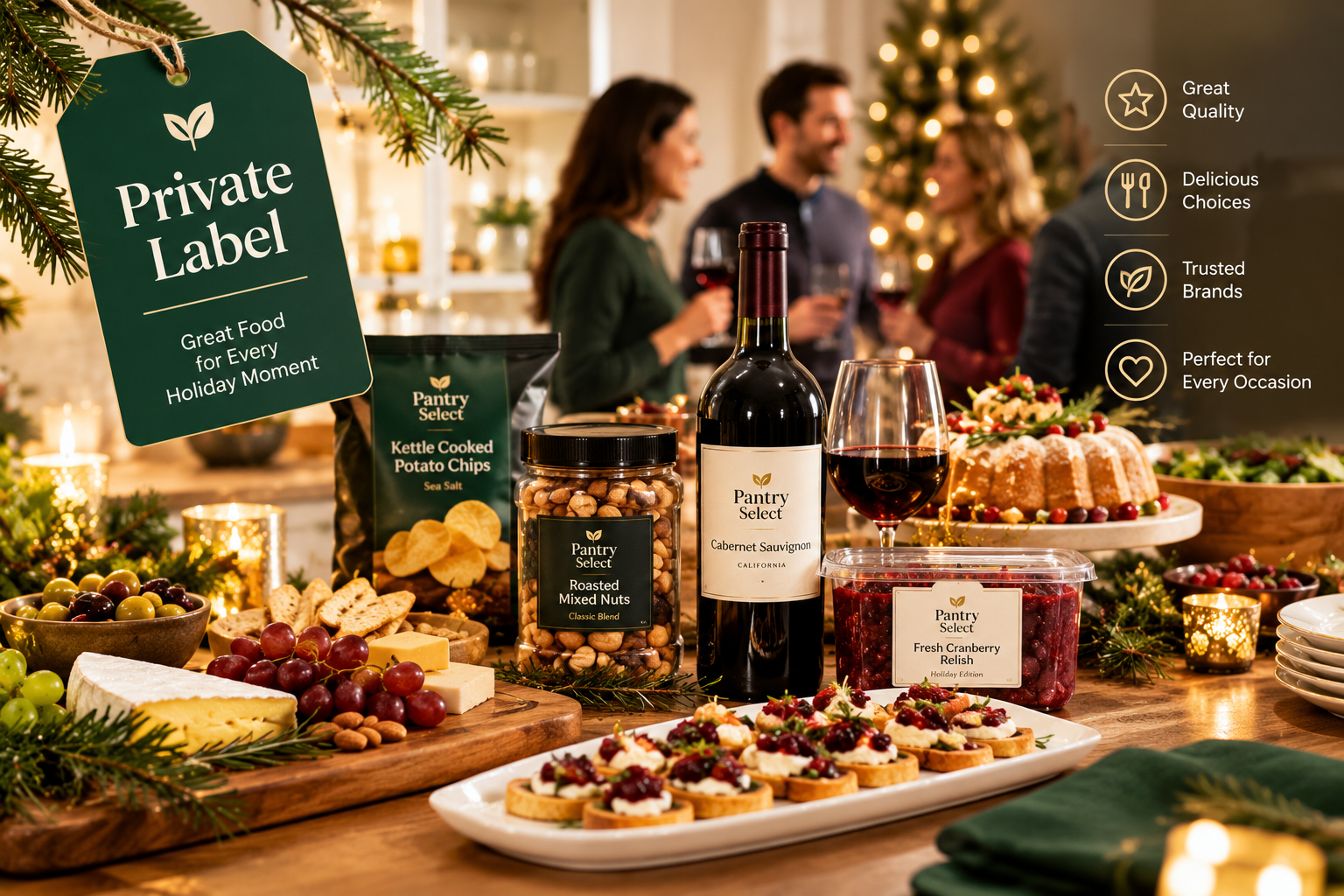
Private Label Just Became Grocery's Main Event, Not the Understudy
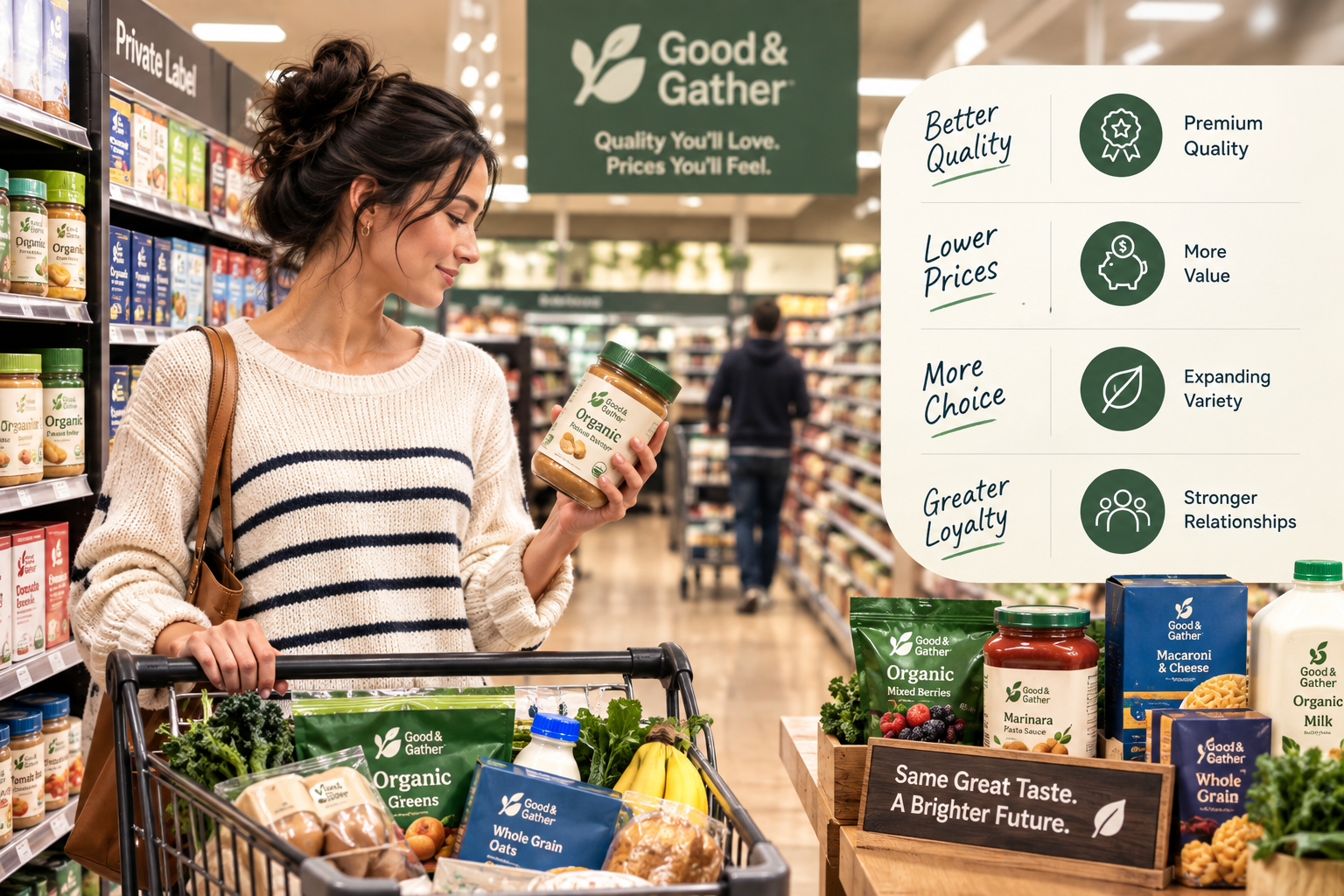

Private label has moved well past being a budget alternative in grocery. Recent research shows nearly 80% of shoppers have traded down to a lower-priced or private-label option in at least one category, and roughly two-thirds of all shoppers say they buy store brands often or always.
Discount retailers are backing this shift with real investment. Aldi alone has announced plans to open more than 180 new US stores as part of a broader $9 billion expansion strategy.
A few things are converging here:
● Private label has crossed from occasional substitute to default choice for a large share of shoppers
● Discount retailers are expanding aggressively to meet that demand
● National brands can no longer treat private label as a lower tier they simply compete beneath
● The brands responding well are competing on demonstrated value, not just relying on established brand equity
Current Grocery Shopper Trends
1. Store Brand Trial Has Become Normalized
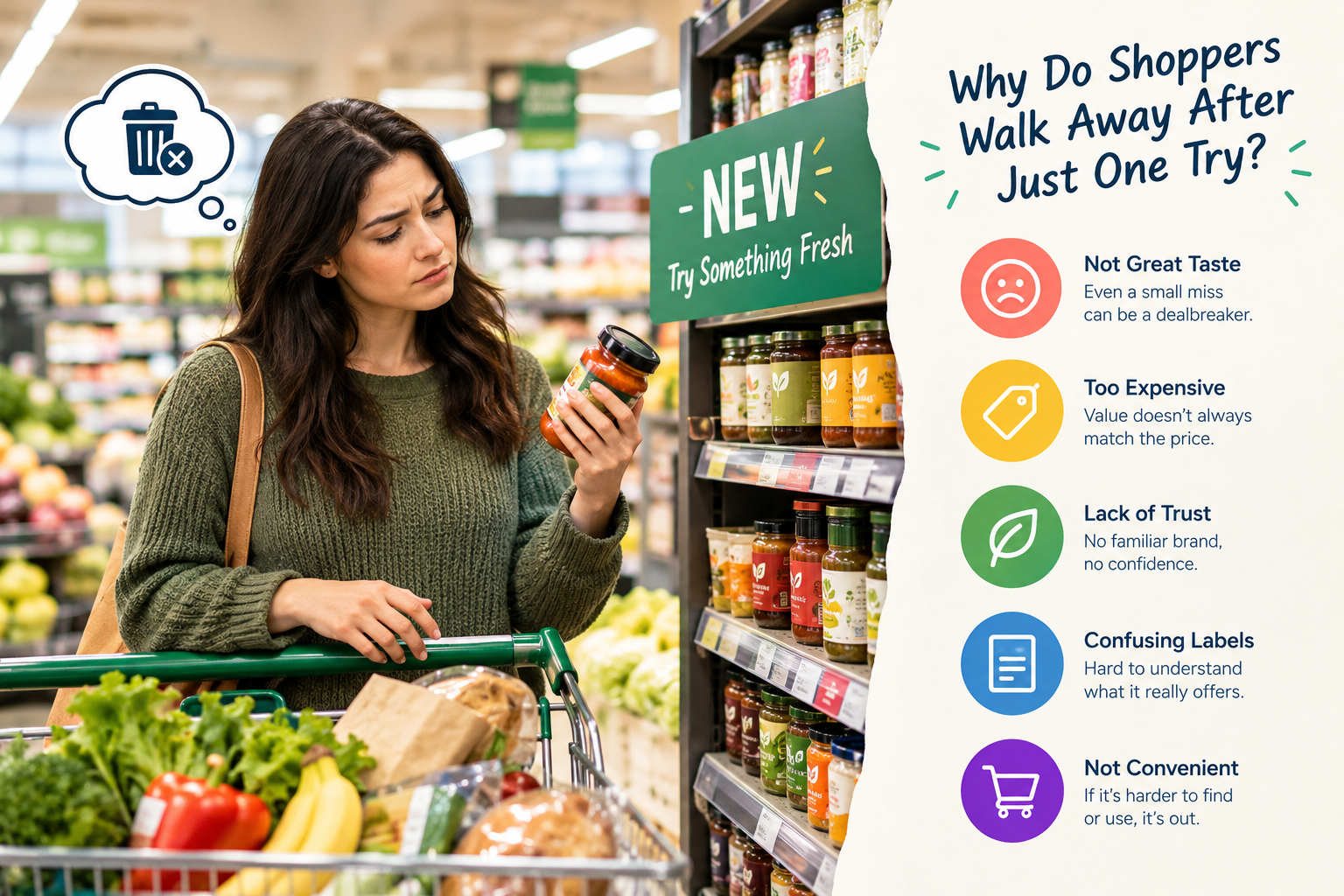
Trying a store brand used to feel like a downgrade for many shoppers. That stigma has largely faded, replaced by a straightforward comparison of price and quality.
2. Younger Shoppers Are Especially Open to Private Label
More than half of Gen Z shoppers report choosing where to buy groceries based partly on a retailer's own private label offerings, treating store brands as a genuine draw rather than a fallback.
3. Price Comparison Has Gotten More Deliberate
Shoppers switching to private label options are often doing so after active comparison, not just impulse. That raises the bar: the case for a national brand has to hold up under real scrutiny.
Industry Trends Impacting the Grocery Market
1. Private Label Quality Has Closed a Lot of the Old Gap
Much of the historical hesitation around store brands was quality-based. As that gap has narrowed, price becomes a much harder factor for national brands to compete against on its own.
2. Discount Retailers Are Growing Their Physical Footprint Aggressively
Expansion at the scale Aldi and similar retailers are pursuing means more shoppers will have convenient access to strong private label options than ever before, not fewer.
3. National Brands Need a Clearer, More Specific Value Case
This is where video matters directly. A shopper actively comparing a national brand against a private label option needs a concrete reason for the price difference, ingredient quality, performance, a specific use case a store brand doesn't address as well. AI-generated video makes it realistic to make that specific case across a full product line, not just a flagship item, at a moment when private label is a credible option in nearly every category.
Challenges and Opportunities in Grocery
The challenge is structural: private label's growth isn't a temporary trend tied to a rough economic stretch, it reflects a genuine, lasting shift in how shoppers evaluate value.
The opportunity is that shoppers open to private label aren't closed off to national brands either, they're simply comparing more carefully. A brand that makes a specific, credible case still wins a real share of that comparison.
Strategic Recommendations for Grocery Brands and Retailers
The first priority is accepting that private label is now a default comparison point, not an occasional one, and building marketing that competes accordingly.
The second is making a specific case for what justifies a price difference, rather than relying on established brand recognition alone.
The third is using video to make that case concrete, since a shopper actively comparing options responds better to demonstrated value than to a general brand message.
Looking Ahead
Private label's growth isn't reversing, and the shoppers driving it aren't a niche segment anymore. National brands that adapt to a world where they're routinely compared against a credible store-brand alternative will hold their ground far better than those still marketing as if that comparison isn't happening.
Want to make a case that holds up against a private label comparison? See how leading grocery brands are using video to show specific, demonstrated value.
FAQ
How much has private label grocery shopping grown recently?
Recent research shows nearly 80% of shoppers have traded down to a lower-priced or private-label option in at least one grocery category, with roughly two-thirds saying they buy store brands often or always.
Why are discount grocery retailers expanding so aggressively?
Retailers like Aldi are investing billions in new store openings to meet growing demand from value-focused shoppers who increasingly see private label and discount formats as a primary, not secondary, shopping choice.
Are younger shoppers more likely to choose private label brands?
Yes. More than half of Gen Z shoppers report factoring a retailer's own private label offerings into where they choose to shop, treating strong store brands as a genuine reason to shop somewhere rather than a fallback option.
How can national grocery brands compete with growing private label popularity?
By making a specific, demonstrated case for what justifies their price relative to private label, such as ingredient quality or performance in a specific use case, rather than relying on brand recognition alone.
Unlock Exclusive Insights
By submitting this form, you agree to Firework's privacy policy and consent to receive personalized marketing communications. You can unsubscribe at any time.