The Real Reason Grocery Shoppers Abandon a New Product After One Try
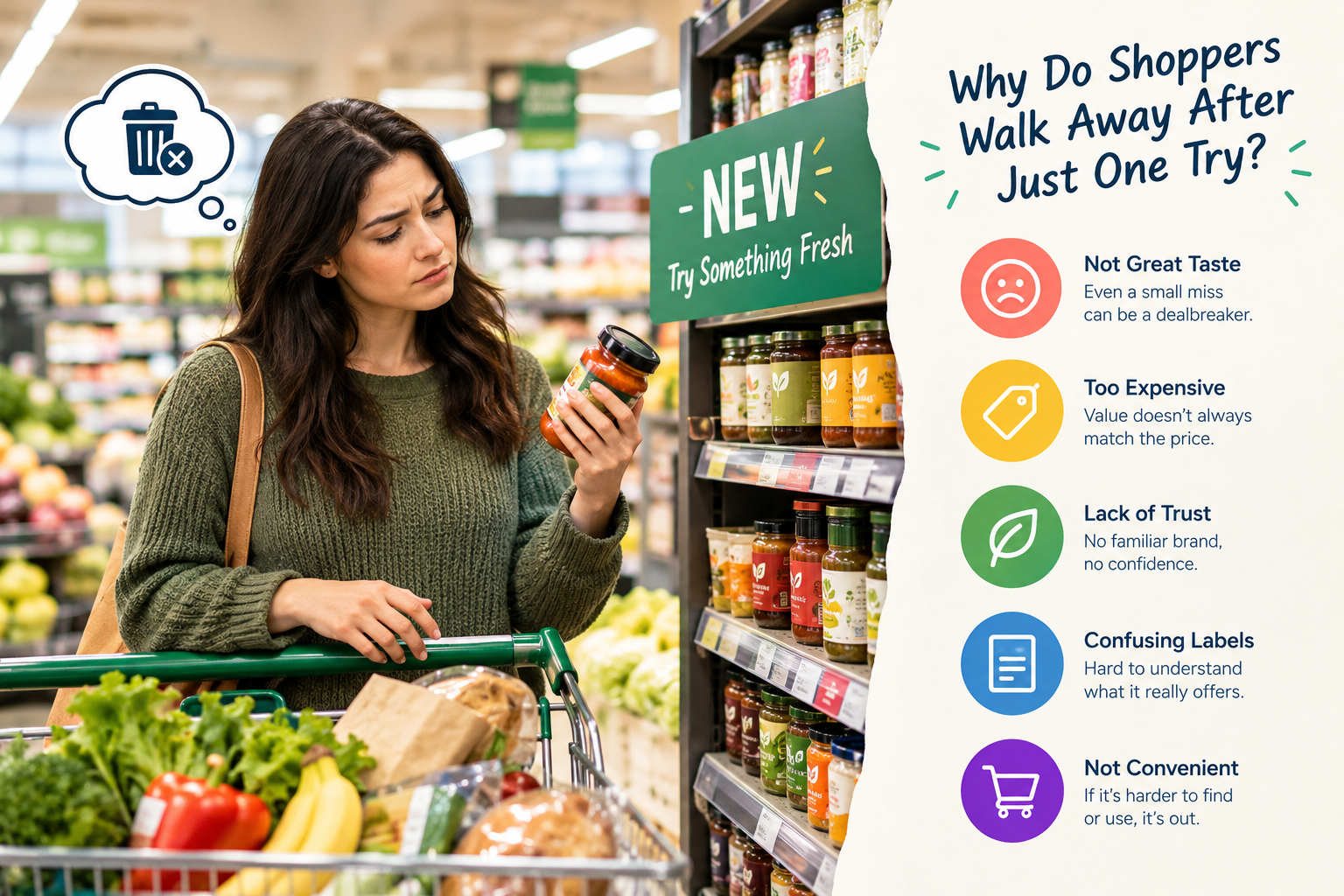

Getting a shopper to try a new grocery product is genuinely hard. A lot of marketing effort, sampling, promotions, shelf placement, goes toward earning that first purchase. Comparatively little goes toward understanding why so many of those first tries never become a second one.
A shopper trying something new for the first time is taking a small risk. If that first experience doesn't clearly deliver, or if the shopper isn't sure how to use the product beyond that first try, the relationship quietly ends there.
A few things are true about this drop-off:
● A first purchase is often driven by curiosity or a promotion, not necessarily conviction
● If a shopper doesn't know what to do with a product beyond the first use, they often don't buy it again
● Brands rarely investigate why trial doesn't convert to repeat purchase, treating trial rate itself as the success metric
● This is frequently a usage and imagination gap, not a product quality problem
Current Grocery Shopper Trends
1. Trial Is Often Driven by Curiosity, Not Commitment
A shopper picking up something new because of a sample, a promotion, or simple curiosity hasn't necessarily decided the product deserves a permanent place in their routine. That decision gets made after the first use, not before it.
2. Uncertainty About Ongoing Use Kills Repeat Purchase Quietly
If a shopper isn't sure how to incorporate a new product into their regular routine beyond the first try, they often simply don't think of it again, rather than actively deciding against it.
3. A Single Use Rarely Builds a Habit on Its Own
Building a new product into a shopper's regular rotation typically requires more reinforcement than a single successful first experience provides.
Industry Trends Impacting the Grocery Market
1. Trial Metrics Can Be Misleading Without Repeat Purchase Data
A high trial rate can look like success while masking a real problem: most of those trial purchases never happening again. Brands optimizing purely for trial can miss this gap entirely.
2. The Path From First Use to Regular Use Is Rarely Mapped Out for Shoppers
Most product marketing focuses on winning the first purchase and stops there, leaving shoppers to figure out on their own how a product fits into ongoing use.
3. Video and AI-Generated Images Can Bridge the Gap Between One Try and a Habit
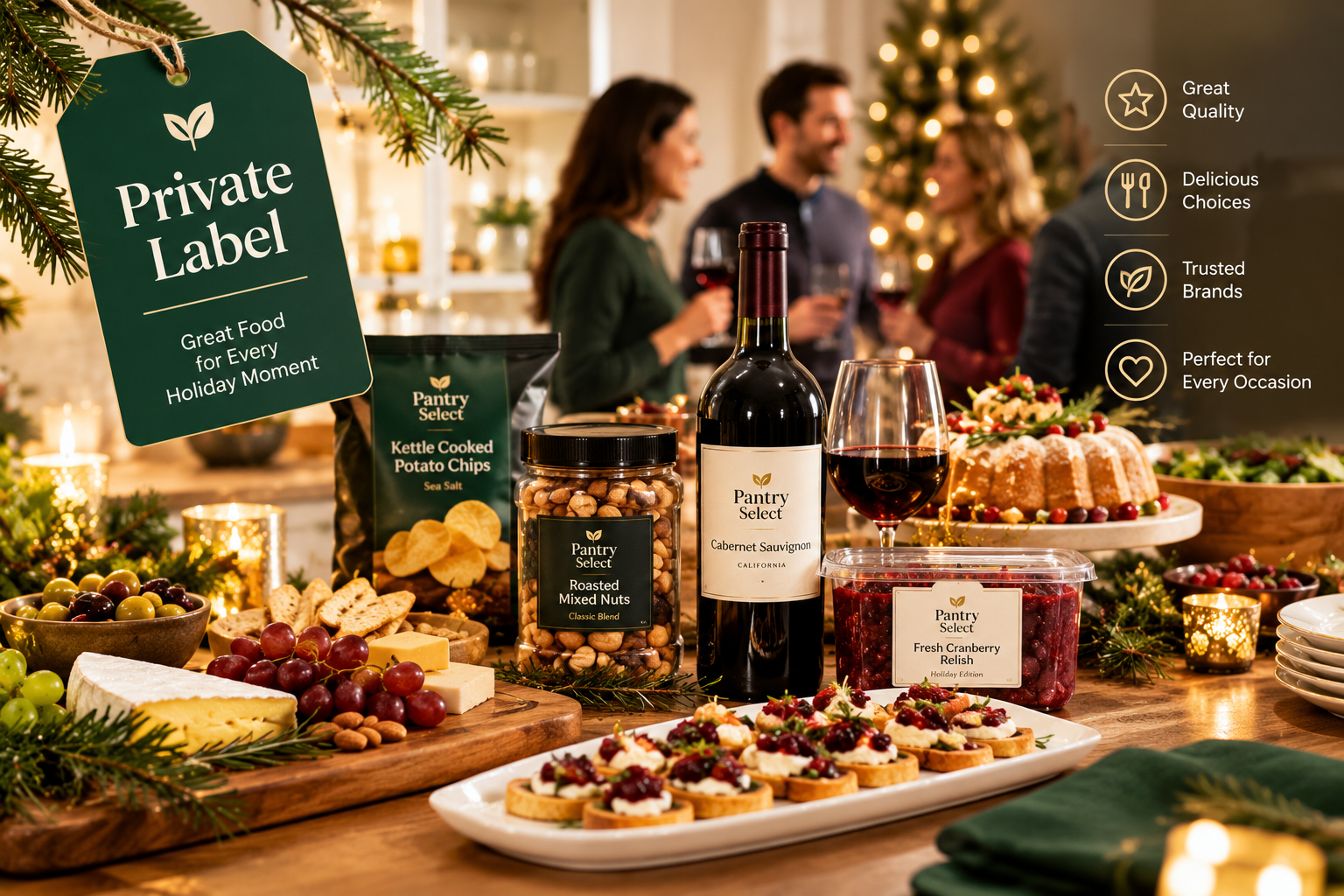
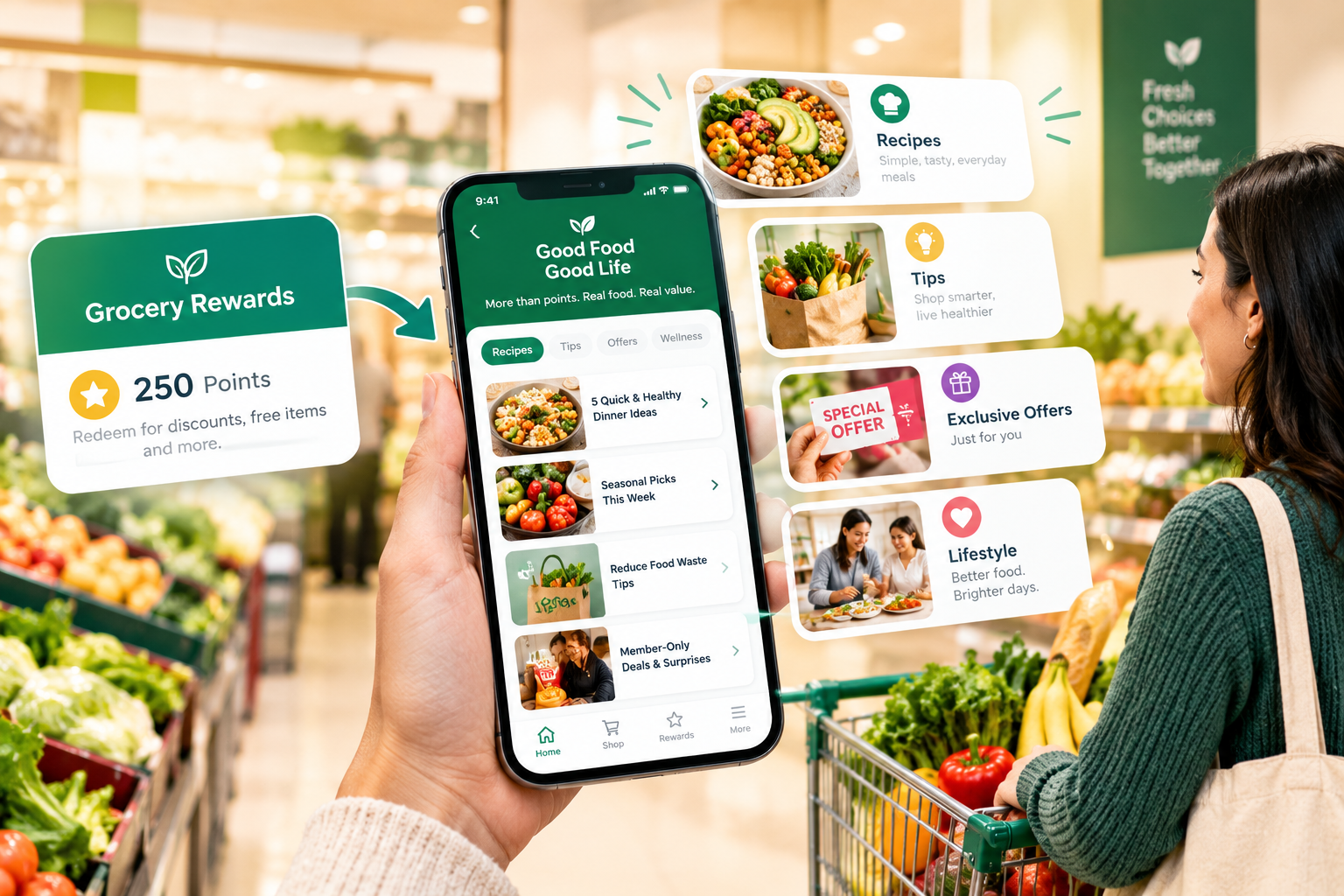
A single successful use doesn't always translate into a shopper imagining ongoing use on their own. Shoppable video showing multiple ways to use a product, across different meals or occasions, helps a shopper see a product as part of their routine, not just a one-time trial. AI-generated images can supplement that with quick visual ideas, like a few different meal pairings, for shoppers who want ongoing-use inspiration without watching a full video.
Challenges and Opportunities in Grocery
The challenge is that this gap is largely invisible in standard trial-rate metrics. Many brands don't realize how much trial they're actually losing after the first purchase.
The opportunity is that closing this gap doesn't require winning more trial, it requires better supporting the trial a brand is already earning, which is often a more efficient investment than acquiring new trial shoppers.
Strategic Recommendations for Grocery Brands and Retailers
The first priority is tracking repeat purchase rate alongside trial rate, not treating trial alone as the success metric.
The second is building content that shows multiple ways to use a product, helping shoppers move from a single successful try to an imagined ongoing routine.
The third is using video and images specifically for this purpose, since showing repeated, varied use does more to build a habit than describing it in text.
Looking Ahead
Winning a shopper's first try will always take real marketing effort, but it's what happens after that first purchase that determines whether a new product actually earns a place in a shopper's routine. Brands that invest in the trial-to-repeat gap, not just trial itself, will see more of their hard-won first purchases turn into lasting customers.
Want more first tries to become regular purchases? See how leading grocery brands are using video and AI-generated images to turn trial into a real habit.
FAQ
Why do grocery shoppers often try a new product once and never buy it again?
Many first purchases are driven by curiosity, sampling, or a promotion rather than firm commitment, and if a shopper isn't sure how to use the product again after that first try, they often simply don't think of it, rather than deciding against it.
Is trial rate a reliable measure of a new grocery product's success?
Not on its own. A high trial rate can mask a low repeat purchase rate, so brands relying only on trial metrics may be missing a significant drop-off happening after the first purchase.
How can grocery brands help new products become part of a shopper's regular routine?
By showing multiple ways to use a product across different meals or occasions, through video or quick AI-generated imagery, which helps shoppers imagine ongoing use rather than treating the product as a one-time trial.
Why does video help with grocery product trial-to-repeat conversion?
Video can demonstrate varied, ongoing use in a way that's more persuasive than text, helping a shopper picture a product as part of their regular routine rather than a single experiment.
Unlock Exclusive Insights
By submitting this form, you agree to Firework's privacy policy and consent to receive personalized marketing communications. You can unsubscribe at any time.