Why Grocery Loyalty Programs Need to Start Feeling Like Content, Not Just Points
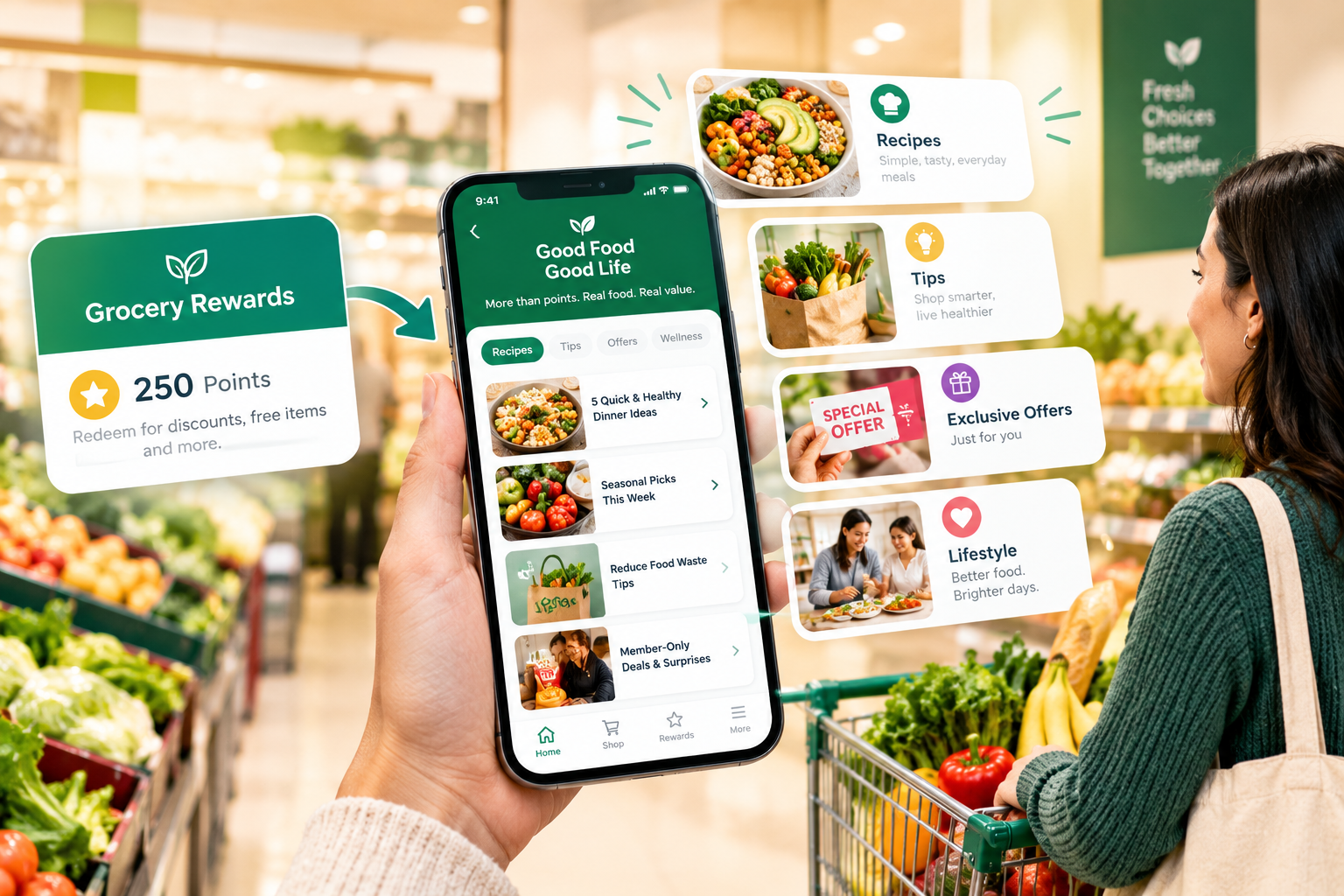

Most grocery loyalty programs function the same way they have for years: shop, earn points, redeem points. It's a transaction tracker wearing a loyalty label.
That model isn't wrong, but it's incomplete. A loyalty program has access to something most grocery content doesn't: a real, ongoing relationship with a shopper's actual habits, preferences, and routines. Very few programs use that access to do anything more than calculate a discount.
A few things are true about where loyalty programs currently fall short:
● Most loyalty programs communicate almost exclusively in transactional terms: points, discounts, redemption thresholds
● That leaves an enormous amount of shopper data underused for anything beyond triggering a coupon
● Shoppers enrolled in a loyalty program are already showing a brand real trust and attention
● A loyalty program that delivers relevant content, not just relevant discounts, has an opening most competitors aren't using
Current Grocery Trends
1. Shoppers Expect Personalization Beyond a Generic Coupon
Shoppers who've shared their purchase history through a loyalty program increasingly expect that data to translate into something more useful than a generic percentage off their next visit.
2. Loyalty Fatigue Is Real When the Only Message Is "Here's a Discount"
A loyalty program that only ever communicates in discount terms starts to feel the same as generic advertising, undermining the actual purpose of a loyalty relationship.
3. Shoppers Want Help Deciding, Not Just Help Paying Less
A shopper's real friction point is often deciding what to make or buy, not just finding the lowest price. A loyalty program built only around price misses this larger opportunity.
Industry Trends Impacting the Grocery Market
1. Loyalty Data Is a Massively Underused Content Asset
Purchase history data could inform genuinely useful content, recipe ideas based on what a shopper actually buys, restock reminders tied to real usage patterns, but most programs stop at calculating point balances.
2. The Best Loyalty Programs Are Starting to Feel Like a Personal Shopping Assistant
A handful of forward-leaning grocery loyalty programs are experimenting with content-driven engagement, and the ones doing it well are seeing loyalty translate into real behavior change, not just point accumulation.
3. Video and AI-Generated Images Can Turn Loyalty Data Into Genuinely Useful Content
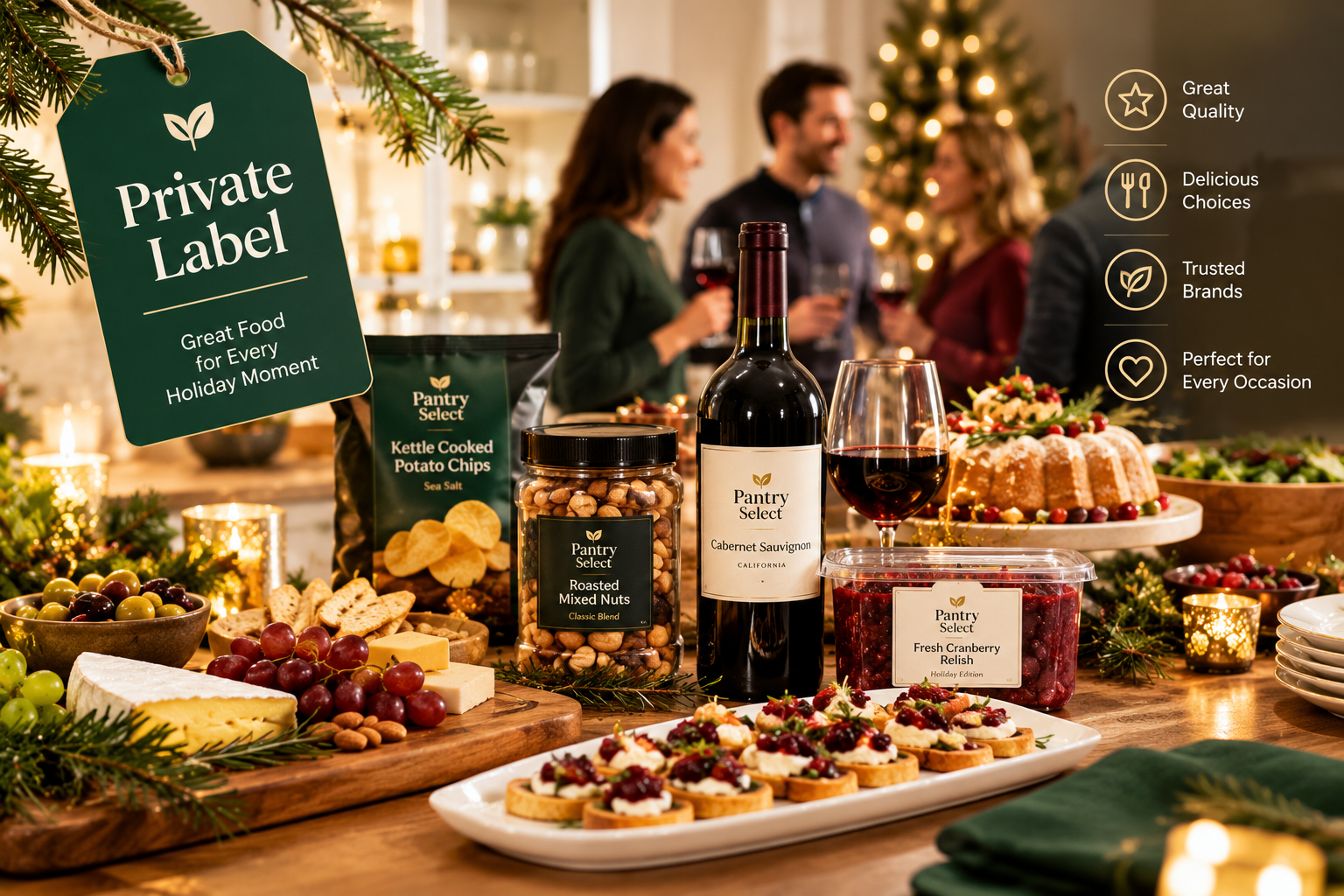
A loyalty program that knows a shopper regularly buys certain staples can use that information to inform real, relevant recipe or usage content, rather than a generic offer. Shoppable video makes that content actionable, letting a shopper act on a suggestion immediately rather than just reading about it. For lighter-weight personalization, like a quick recipe image tailored to a shopper's regular staples, AI-generated images make it realistic to personalize that kind of content at the scale a loyalty program's shopper base actually requires.
Challenges and Opportunities in Grocery
The challenge is that most loyalty programs were built as discount infrastructure, not content infrastructure. Shifting toward genuinely useful content requires more than a messaging change.
The opportunity is that the data most loyalty programs already have is exactly what's needed to make content relevant and personal, an advantage that non-loyalty content strategies don't have.
Strategic Recommendations for Grocery Brands and Retailers
The first priority is using loyalty data to inform content, not just discounts, treating purchase history as an asset for relevance, not just targeting.
The second is building content that helps shoppers decide what to make or buy, not just how to save on what they've already decided.
The third is using video and images to make that content immediately actionable, so a relevant suggestion turns into cart activity rather than just being seen and forgotten.
Looking Ahead
Loyalty programs sit on some of the richest, most relevant data grocery brands have, and most of it currently gets reduced to a discount calculation. Brands that use it to build genuinely useful, personal content will turn a transactional program into a real, ongoing relationship shoppers actually value.
Want your loyalty data to do more than calculate a discount? See how leading grocery brands are using video and AI-generated images to turn loyalty into genuinely useful content.
FAQ
Why do most grocery loyalty programs focus mainly on points and discounts?
Loyalty programs were historically built as transaction-tracking tools, so most still communicate primarily in points and discount terms rather than using the purchase data they collect for more personalized content.
How could grocery loyalty programs use shopper data more effectively?
Purchase history could inform relevant recipe ideas, restock reminders, or usage suggestions tailored to what a shopper actually buys, rather than only being used to calculate a generic discount.
What is loyalty fatigue in grocery retail?
Loyalty fatigue happens when a loyalty program only ever communicates through discounts, making it feel similar to generic advertising and undermining the deeper relationship a loyalty program is meant to build.
How can video and images make grocery loyalty programs more useful to shoppers?
Video can turn a personalized content suggestion, like a recipe based on a shopper's regular purchases, into something immediately actionable, while AI-generated images offer a lighter-weight way to personalize content at scale.
Unlock Exclusive Insights
By submitting this form, you agree to Firework's privacy policy and consent to receive personalized marketing communications. You can unsubscribe at any time.