The Recipe Is Grocery's Real Product Page

A grocery product page usually answers one question: what is this. A price, a package size, maybe a nutrition label.
That's not actually the question most shoppers are trying to answer. They're trying to answer a different one: what do I make with this, and is it worth adding to my week.
A recipe answers that question. A product page, on its own, usually doesn't.
A few things are true about this gap:
● Shoppers increasingly buy meals and solutions, not just individual products
● A product in isolation is harder to evaluate than a product in context
● Recipes and usage ideas do the persuasive work a spec-style product page can't
● Brands that treat recipe content as marketing, rather than as the real product page, are underinvesting in their most convincing content
Current Grocery Trends
1. Convenience Is Reshaping What "Buying Groceries" Means
Demand for prepared foods, meal kits, and ready-to-cook solutions keeps climbing. Shoppers aren't just buying ingredients, they're buying a shortcut to dinner.
2. A Product Without Context Is a Harder Sell
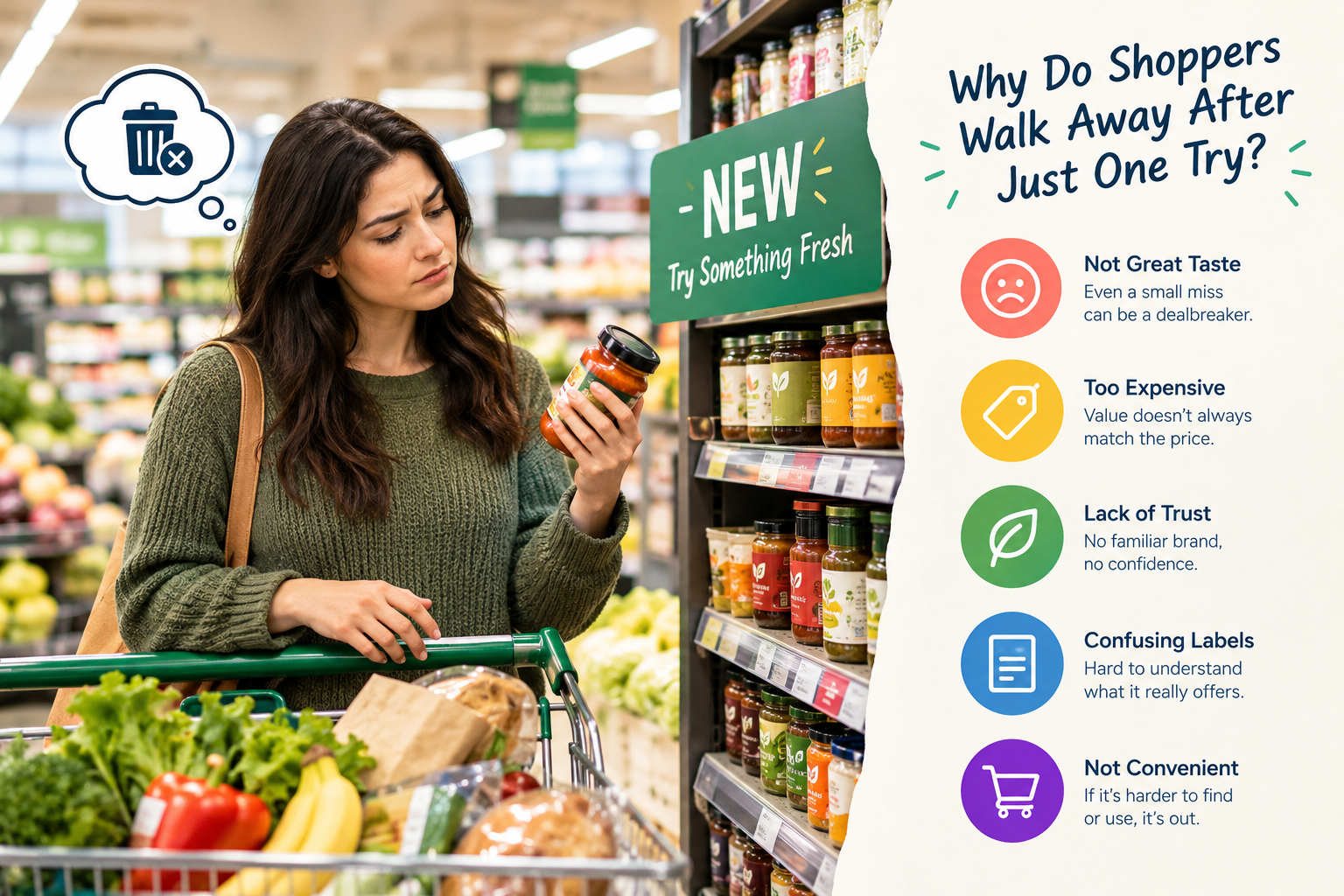
An unfamiliar ingredient or a new product format asks a shopper to do extra mental work: figuring out how it fits into a meal. Most shoppers won't do that work themselves in the aisle or on a product page.
3. Trust Builds Faster Around a Finished Result
Seeing a finished dish is more persuasive than reading a description of raw ingredients. It closes the gap between "this is a product" and "this is something I'd actually make."
Industry Trends Impacting the Grocery Market
1. Recipe Content Has Outgrown the Recipe Card
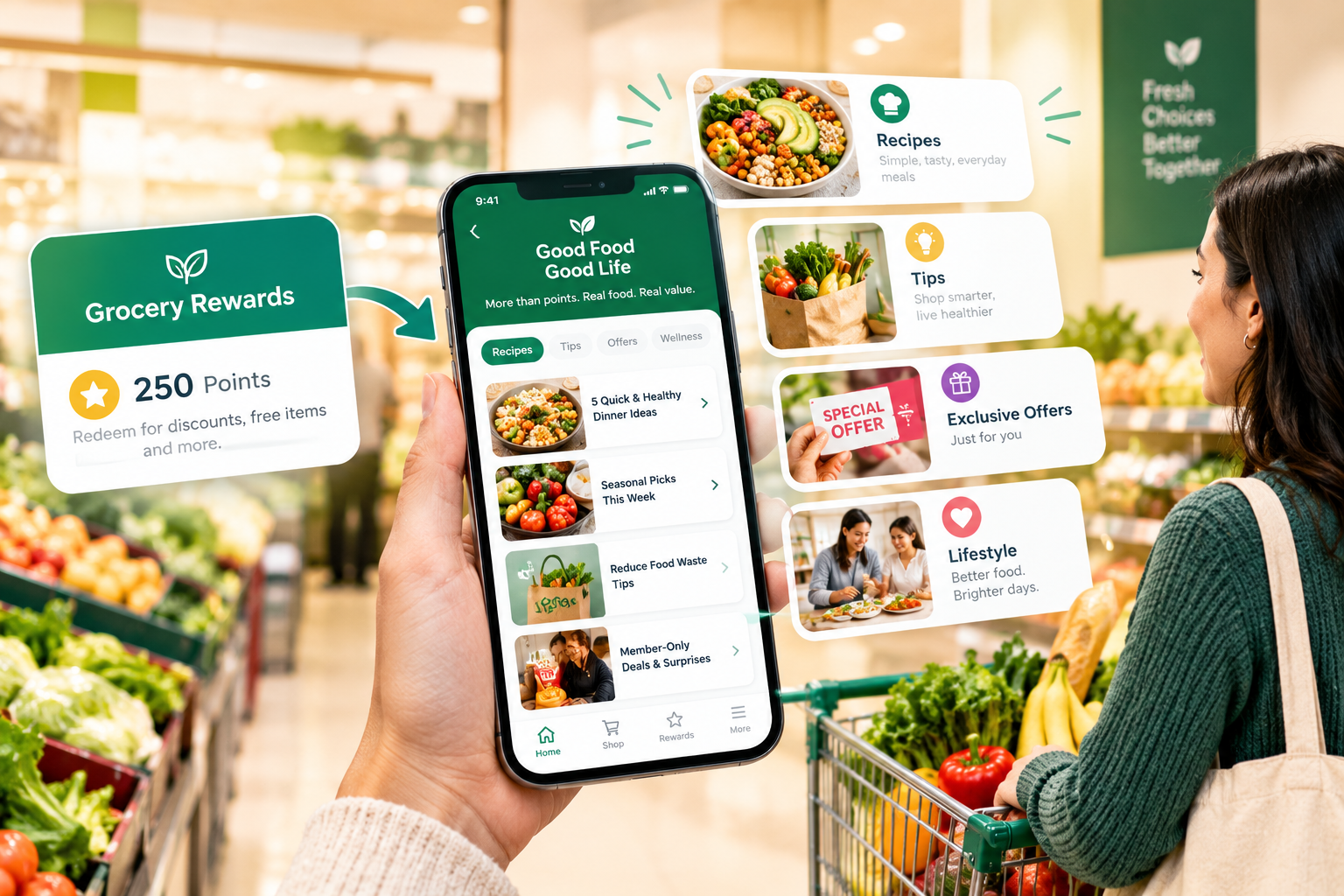
Recipe content used to live on a separate page, disconnected from the product itself. Increasingly, it needs to live right where the buying decision happens.
2. Meal Occasions Are Becoming the Real Category Structure
Shoppers think in terms of "quick weeknight dinner" or "easy lunch for the kids," not always in terms of a retailer's category aisles. Content organized around occasions matches how people actually shop.
3. Video Turns a Recipe Into Proof, Not Just Instructions
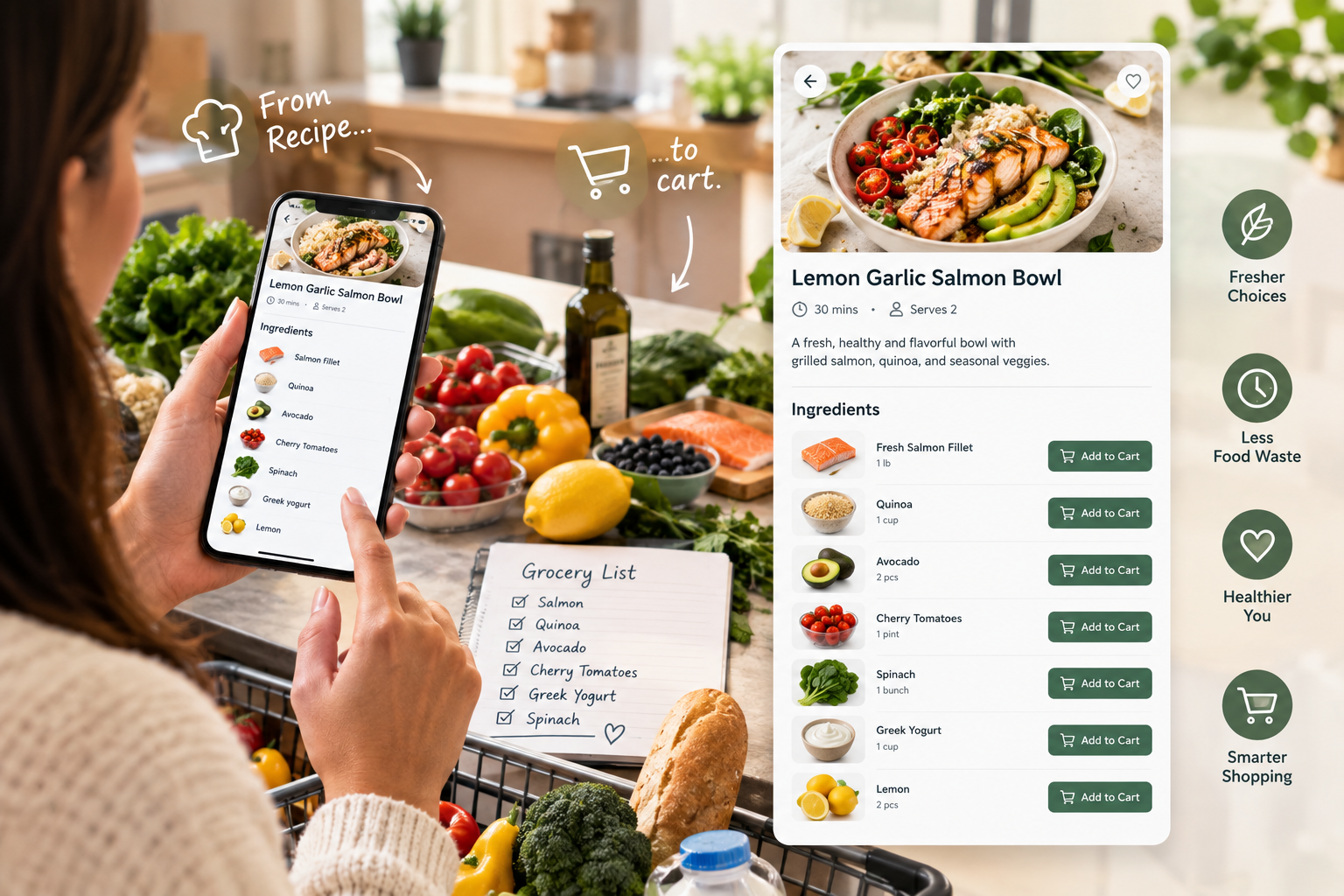
A written recipe tells a shopper what to do. Shoppable video shows the result, and lets a shopper add the ingredients to their cart directly from watching it come together. Because grocery catalogs are large and meal trends shift with the seasons, AI-generated video makes it realistic to keep that recipe-driven content fresh and specific to what a brand is actually selling right now.
Challenges and Opportunities in Grocery
The challenge is that most grocery content is still organized around the product, not the meal it's part of, which puts the burden of imagination on the shopper.
The opportunity is that shoppers are actively looking for that imagination to be done for them. A brand willing to show the finished result, not just the ingredient, meets that demand directly.
Strategic Recommendations for Grocery Brands and Retailers
The first priority is treating recipe and usage content as core product content, not a separate marketing asset.
The second is organizing that content around meal occasions, since that's closer to how shoppers actually think while planning.
The third is using video to show the finished result, since a real dish is more convincing than a written recipe alone.
Looking Ahead
The product page isn't going away, but for a lot of grocery purchases, it was never really doing the persuasive work. The recipe was. Brands that recognize that and invest accordingly will keep winning the moment where a shopper decides what actually goes in the cart.
Want your products to show up as the answer to "what's for dinner"? See how leading grocery brands are using video to turn recipes into a real path to purchase.
FAQ
Why is recipe content important for grocery brands?
Recipe content answers the question shoppers are actually trying to solve, what to make and whether it's worth the effort, which a standard product page usually doesn't address on its own.
How does video improve grocery recipe content?
Video shows the finished result of a recipe, which is more persuasive than written instructions alone, and can let a shopper add ingredients to their cart directly from watching the content.
Should grocery content be organized by product category or by meal occasion?
Organizing content around meal occasions, like quick weeknight dinners, often matches how shoppers actually plan their meals more closely than a retailer's standard category structure.
Why are shoppers increasingly drawn to prepared foods and meal solutions?
Convenience continues to drive grocery demand, with many shoppers looking for products that save time on meal planning and preparation without sacrificing quality.
Unlock Exclusive Insights
By submitting this form, you agree to Firework's privacy policy and consent to receive personalized marketing communications. You can unsubscribe at any time.