Why Grocery's Freshness Promise Is Hardest to Prove Online
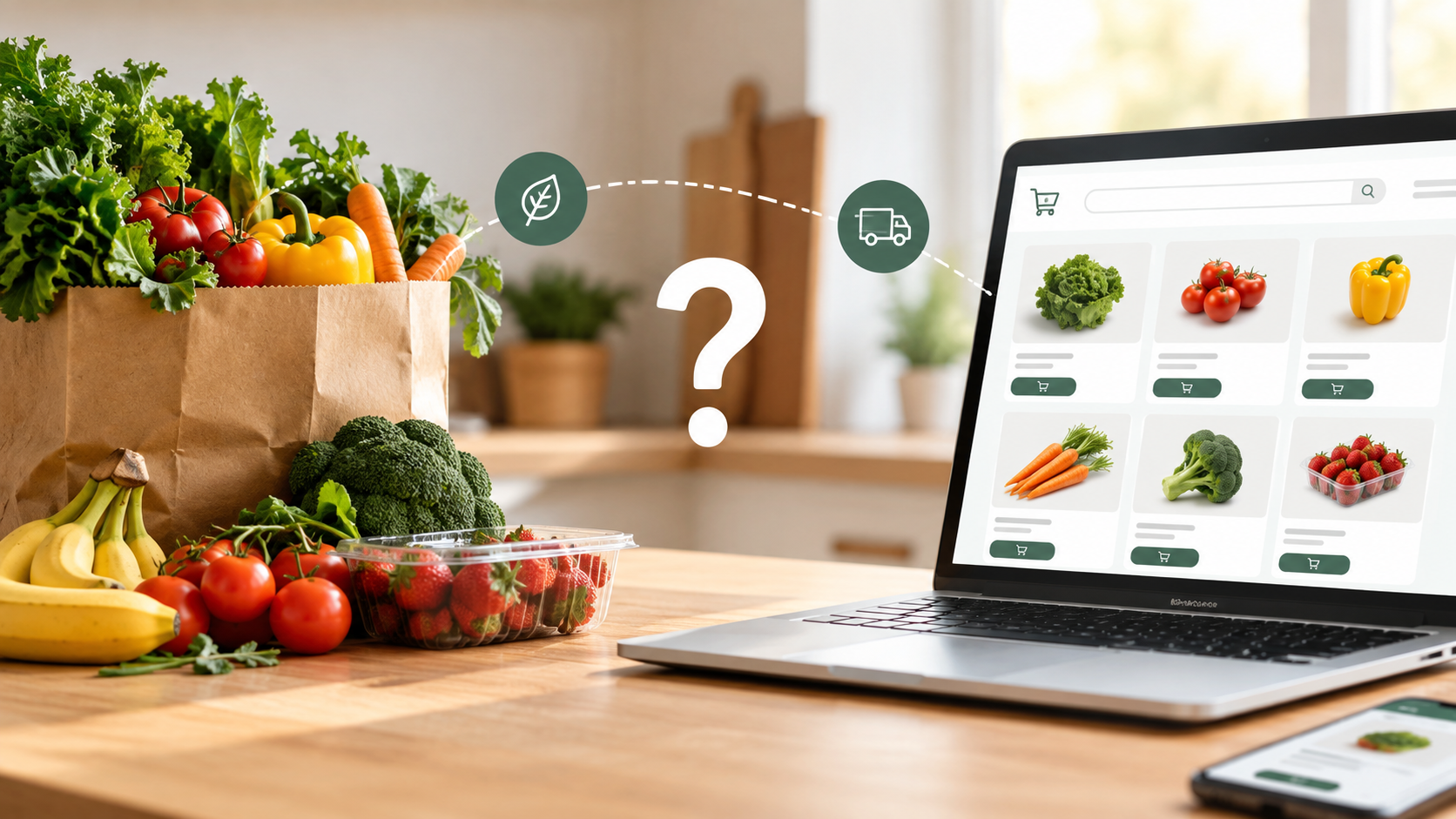

In a physical store, judging freshness is almost instinctive. A shopper picks up produce, checks the color, feels the firmness, glances at a sell-by date. That entire evaluation happens in seconds, without needing to trust anyone's word for it.
Online, none of that is available. A shopper is asked to trust that what arrives will be as fresh as what's shown, based on nothing but a photo and a promise.
That's a real gap, and it's one of the more persistent trust challenges in online grocery.
A few things are true about this challenge:
● Freshness is one of the few product qualities shoppers are used to verifying themselves before buying
● Removing that ability to verify doesn't remove the shopper's need for reassurance, it just shifts where that reassurance has to come from
● A single bad experience with freshness can damage trust in a retailer's entire online grocery offering, not just one product
● Most online grocery experiences still ask shoppers to simply trust the process, rather than actively addressing the concern
Current Grocery Trends
1. Shoppers Bring Their In-Store Instincts to Online Grocery, Then Hit a Wall
The habits shoppers rely on in a physical store, checking, touching, smelling, don't translate to an online purchase, leaving a real gap in how confident they feel about the exact same category of product.
2. Freshness Concerns Are a Common Reason Shoppers Stick to In-Store for Certain Categories
Even shoppers who are comfortable buying most groceries online often still prefer to buy produce, meat, or seafood in person, specifically because of freshness uncertainty.
3. Trust, Once Broken, Is Hard to Rebuild in This Category
A shopper disappointed by freshness once is often reluctant to try that category online again, even if the retailer's actual fulfillment quality is generally strong.
Industry Trends Impacting the Grocery Market
1. Photos Alone Don't Solve the Freshness Trust Gap
A single product photo shows one item at one moment, and shoppers know that. It doesn't address the real question: what will actually show up at my door today.
2. Fulfillment Transparency Is Becoming a Differentiator
Retailers that show real fulfillment practices, how produce is selected, how quickly it moves from source to delivery, are starting to build more credibility than those relying on generic marketing language about quality.
3. Video Can Show the Process, Not Just the Product
This is where shoppable video can do something a static photo can't: show real selection and handling practices, building the same kind of confidence a shopper would get from picking something up themselves in a store. Because freshness-sensitive categories turn over constantly, AI-generated video makes it realistic to keep that kind of process-transparency content current, rather than relying on a single, dated marketing video.
Challenges and Opportunities in Grocery
The challenge is that freshness is fundamentally harder to prove remotely than almost any other grocery attribute, since it depends on a moment-to-moment reality a photo can't capture.
The opportunity is that most competitors still treat this as an unsolvable trust gap rather than a communication challenge, which leaves real room for a retailer willing to actively address it.
Strategic Recommendations for Grocery Brands and Retailers
The first priority is acknowledging freshness concerns directly, rather than assuming a generic quality guarantee is enough reassurance.
The second is using video to show real selection and fulfillment practices, not just the finished product.
The third is prioritizing this kind of content for the categories where freshness concerns most often keep shoppers buying in-store instead of online.
Looking Ahead
Freshness will likely remain one of online grocery's hardest trust gaps to close completely, but that doesn't mean it's unsolvable. Retailers that actively build confidence around it, rather than hoping shoppers extend trust on faith, will win a category many competitors are still ceding to in-store shopping by default.
Want to make your freshness promise something shoppers can actually see? See how leading grocery brands are using video to build real confidence in what arrives at the door.
FAQ
Why is freshness harder to communicate for online grocery shopping than in-store?
In a physical store, shoppers can check, touch, and visually inspect items to judge freshness themselves. Online, they have to trust a photo and a general quality promise, which doesn't offer the same immediate reassurance.
Why do some shoppers still prefer to buy certain groceries in person?
Freshness-sensitive categories like produce, meat, and seafood are common exceptions even for shoppers comfortable with online grocery overall, largely due to uncertainty about what will actually arrive.
How can grocery retailers build more trust around freshness online?
By showing real selection and fulfillment practices through content like video, rather than relying solely on a generic quality guarantee or a single product photo.
Does a bad freshness experience affect trust beyond just one purchase?
Yes. A single disappointing experience with freshness can make a shopper hesitant to buy that entire category online again, even if the retailer's fulfillment is generally reliable.
Unlock Exclusive Insights
By submitting this form, you agree to Firework's privacy policy and consent to receive personalized marketing communications. You can unsubscribe at any time.