Beauty's "Small Luxury" Moment Is Back. Here's How Brands Should Sell Into It

Recent industry research points to a familiar but notable pattern: consumers are becoming more intentional and cautious with spending overall, while still carving out room for small beauty indulgences that feel like an accessible reward.
That combination, tighter budgets alongside a real appetite for small luxuries, is exactly the kind of consumer behavior beauty has historically benefited from during uncertain economic stretches.
A few things are true about this pattern:
● Big-ticket discretionary spending is getting more scrutiny across categories
● A smaller, beauty-specific indulgence still feels justifiable to many consumers even when larger purchases don't
● Consumers in this mindset are more thoughtful about which small luxuries are actually worth it
● Brands that make a specific, credible case for why a product is worth the splurge win more of this spending than those relying on aspiration alone
Current Beauty Consumer Trends
1. "Treat Yourself" Spending Hasn't Disappeared, It's Gotten More Selective
Consumers pulling back on bigger purchases are still willing to spend on beauty items that feel like a genuine, justified treat, but they're more deliberate about which ones earn that spending.
2. Price Sensitivity and Premium Purchases Are Coexisting
The same consumer tightening their budget elsewhere may still buy a premium lipstick or skincare item, as long as it feels like a considered choice rather than an impulse buy.
3. Transparency About Value Matters More in This Mindset
A consumer being more careful with spending overall applies that same scrutiny to a small luxury purchase, wanting to understand what makes it worth the price before committing.
Industry Trends Impacting the Beauty Market
1. This Is a Familiar Pattern With Real Historical Precedent
Beauty has seen versions of this small-luxury spending pattern during past periods of economic caution, and brands that understood how to sell into it were often better positioned than those that didn't adjust.
2. The Case for a Purchase Has to Be Made More Specifically Now
Broad aspirational messaging works less well with a more careful spender. Specific claims about ingredients, results, or experience do more to justify a purchase that a consumer is scrutinizing more closely than usual.
3. Video Helps Make the Specific Case a Careful Spender Needs
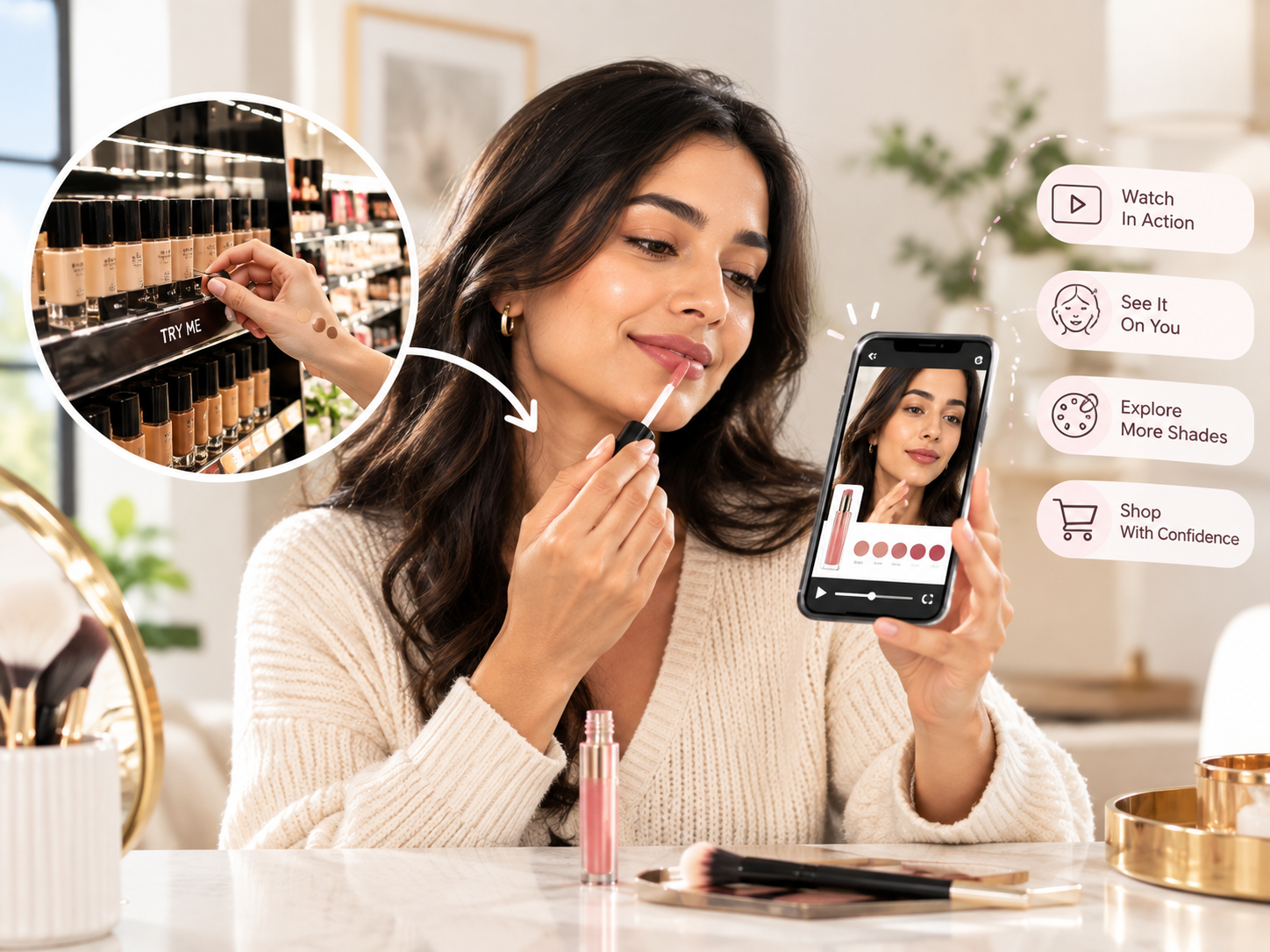
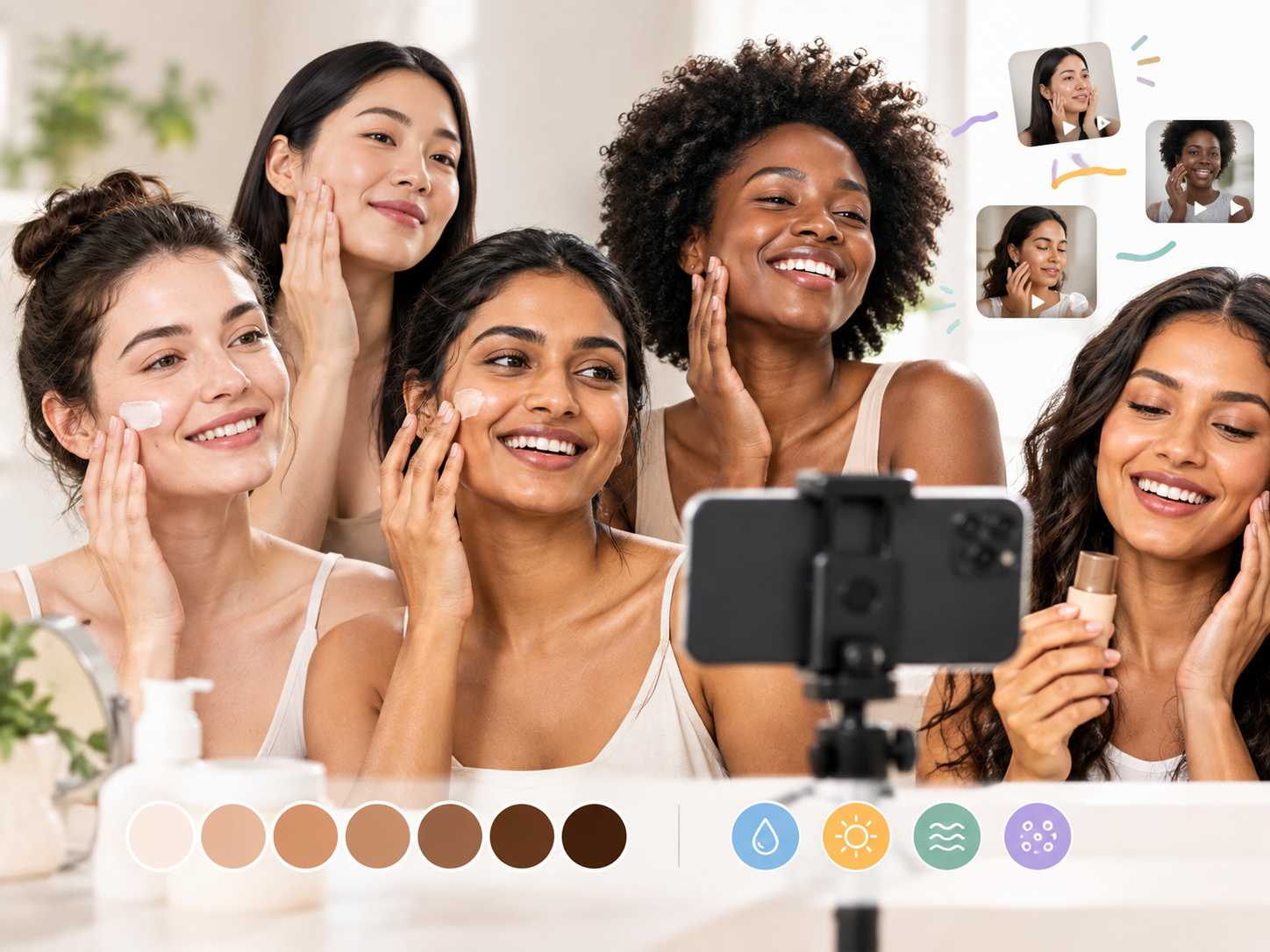
A consumer weighing whether a small luxury is worth it responds better to seeing real texture, application, and results than to aspirational brand imagery alone. AI-generated video makes it realistic to produce that kind of specific, proof-driven content at the volume needed to support a full range of products positioned as accessible indulgences, not just a flagship item.
Challenges and Opportunities in Beauty
The challenge is that a more careful spender requires a more specific, substantiated case for a purchase than aspirational messaging alone typically provides.
The opportunity is that this small-luxury spending pattern is real and already happening. Brands that meet it with the right kind of content, specific and proof-driven rather than purely aspirational, are positioned to capture more of it.
Strategic Recommendations for Beauty Brands and Retailers
The first priority is recognizing that small-luxury spending hasn't gone away, it's just become more selective, and adjusting messaging accordingly.
The second is being specific about what makes a product worth its price, rather than relying on broad aspirational appeal.
The third is using video to prove that value through real texture, application, and results, since that's what a more careful spender is actually looking for before committing to even a modest purchase.
Looking Ahead
Economic caution tends to shift how consumers spend, not whether they spend at all. Beauty brands that understand this and make a specific, credible case for their products as worthwhile small luxuries will capture spending that brands relying on aspiration alone are more likely to lose.
Want to make the specific case a careful spender needs to hear? See how leading beauty brands are using video to justify a purchase with real proof, not just aspiration.
FAQ
What does "small luxury" spending mean in the beauty industry?
It refers to consumers continuing to spend on smaller, more affordable beauty indulgences even while cutting back on larger discretionary purchases, since these items feel like an accessible and justifiable treat.
Why are consumers still willing to spend on beauty during tighter budget periods?
Small beauty purchases often feel proportionate and justifiable even when a consumer is being more careful overall, offering a sense of reward without the financial commitment of a larger purchase.
How should beauty brands market to more budget-conscious consumers?
By being specific about what makes a product worth its price, using real proof like texture and results demonstrations, rather than relying primarily on aspirational or lifestyle-focused messaging.
Why does video help sell small luxury beauty products during cautious spending periods?
Video can show real product performance and results, which helps a more careful spender feel confident that a purchase is justified, something aspirational imagery alone often doesn't achieve as effectively.
Unlock Exclusive Insights
By submitting this form, you agree to Firework's privacy policy and consent to receive personalized marketing communications. You can unsubscribe at any time.