Retail in 2026: What Still Converts (and What No Longer Works)

Retail is entering a defining moment. After years of experimentation with new channels, formats, and technologies, the rules of conversion are finally becoming clear. Some strategies that once drove growth are quietly losing effectiveness. Others are emerging as non-negotiable for brands that want to compete at scale.
In 2026, conversion is no longer about traffic volume or flashy campaigns. It’s about clarity, confidence, and context, delivered instantly, wherever the shopper is making a decision.
Here’s what’s still converting, what’s falling behind, and what enterprise retailers need to rethink heading into the next phase of commerce.
What Still Converts in 2026
1. PDPs That Educate, Not Just Display
The product detail page has fully evolved from a static endpoint into a decision-making environment. In 2026, PDPs that convert are the ones that answer questions before shoppers ask them.
Shoppers don’t arrive at PDPs looking to admire product photography. They arrive with uncertainty:
Will this work for me?
Is this worth the price?
How does this compare to other options?
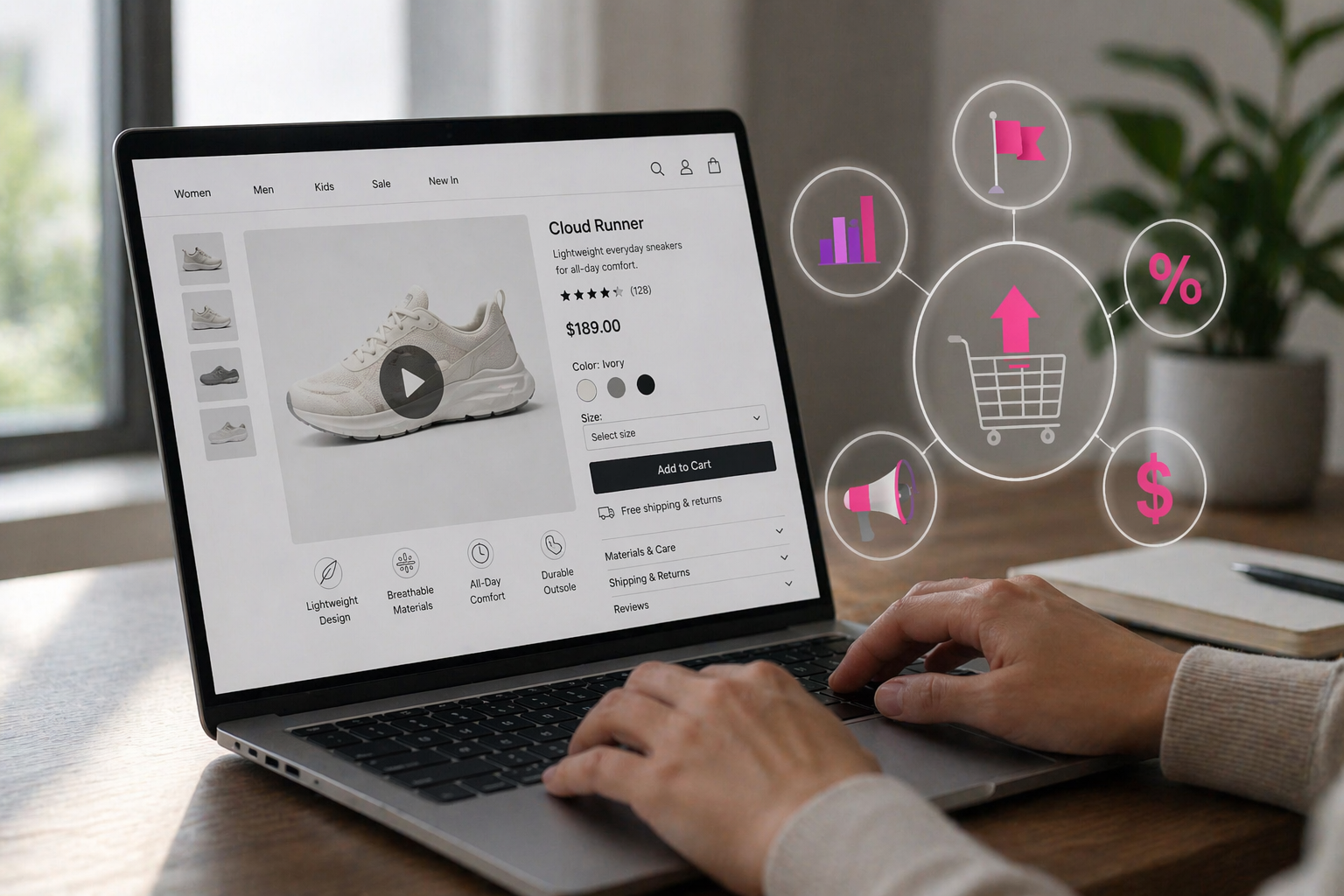
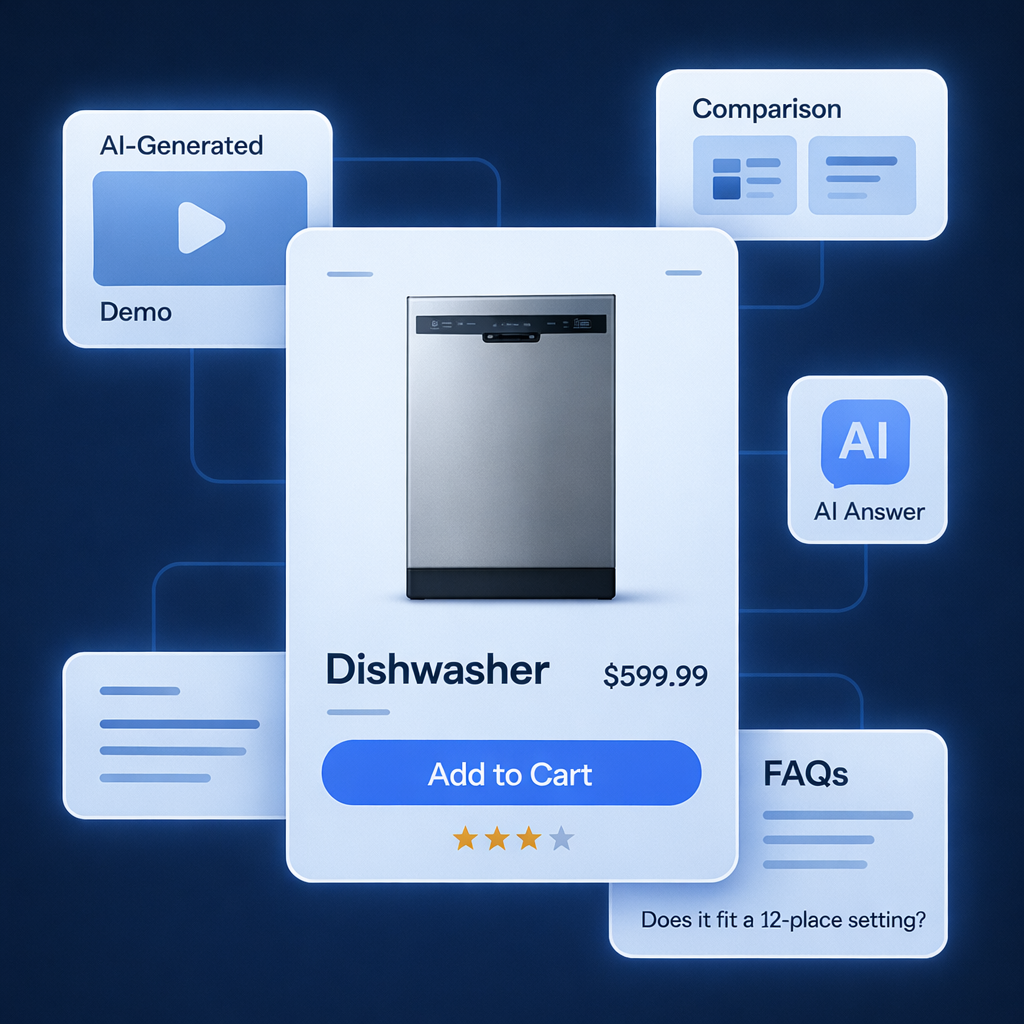
High-performing PDPs now include layered content that helps shoppers move from curiosity to confidence. That means detailed descriptions written in natural language, visual demonstrations that show the product in use, and contextual content that explains why the product matters, not just what it is. Retailers that treat PDPs like digital sales associates consistently outperform those that treat them like catalogs.
2. Video as a Core Conversion Asset
Video is no longer a top-of-funnel marketing tactic. In 2026, it’s a core conversion tool. What’s changed is not just where video appears, but how it’s used. Short, informative videos embedded directly into PDPs now drive decision-making in a way static images never could. They show scale, texture, fit, function, and real-world context, all of which reduce hesitation.
More importantly, video helps shoppers self-qualify. When customers understand a product clearly before purchasing, conversion rates increase and return rates drop. That combination has made video one of the most reliable levers for improving both revenue and operational efficiency.
Retailers that win in 2026 don’t ask “Should we use video?” They ask “How do we use video to answer every key buying question?”
Here's what Joe Cano, VP of Digital at Lowe's, has to say about video content:
3. AI That Reduces Friction, Not Adds Complexity
AI is everywhere in retail, but only certain implementations actually convert.
What works in 2026 is AI that quietly removes friction from the buying journey. Shoppers don’t want to feel like they’re interacting with technology, they want help, fast.
The most effective AI experiences now live directly on PDPs, where they guide shoppers through questions like compatibility, sizing, use cases, or comparisons. Instead of forcing shoppers to scroll endlessly or leave the page, AI surfaces relevant answers in real time.
When done well, AI doesn’t feel like a feature. It feels like clarity.
4. Personalization That Respects Shopper Intent
In 2026, personalization has matured. Shoppers are no longer impressed by generic “recommended for you” modules. What converts now is contextual personalization, recommendations that make sense in the moment.
This includes showing complementary products based on what a shopper is actively viewing, adjusting content based on how far along someone is in their decision process, and prioritizing relevance over novelty.
Retailers that personalize based on behavior, not demographics, consistently see higher engagement and conversion. The goal isn’t to overwhelm shoppers with options, it’s to narrow the field intelligently.
5. Consistency Across Channels
Shoppers move fluidly between social platforms, search engines, emails, and product pages. In 2026, conversion suffers when experiences feel fragmented.
What still converts is consistency, when the messaging, content, and product storytelling align across every touchpoint. The product someone discovers in a short video should feel familiar when they land on the PDP. The answers they see on social media should match what’s presented on the site.
Brands that create a unified experience across discovery and conversion reduce cognitive load and shorten time-to-purchase.
What No Longer Works in 2026
1. Static PDPs With Minimal Context
Pages that rely solely on images, bullet points, and technical specs are quietly failing. They don’t rank as well, they don’t engage as deeply, and they don’t convert as effectively.
In 2026, shoppers expect PDPs to explain, not just display. When content is thin, shoppers bounce, often to marketplaces or competitors that do a better job of educating.
2. Overloaded Pages With No Guidance
More content doesn’t automatically mean better conversion. One of the biggest mistakes retailers still make is adding layers of content without structure.
PDPs packed with tabs, carousels, and endless modules can overwhelm shoppers instead of helping them. What no longer works is assuming shoppers will “figure it out.”
The best-performing PDPs in 2026 guide attention intentionally. They prioritize the most important information first and progressively reveal details as shoppers explore.
3. Generic Discounts as a Primary Conversion Strategy
Price still matters, but blanket discounts are no longer a sustainable conversion strategy.
Shoppers in 2026 are savvy. They compare, research, and wait. Brands that rely heavily on promotions often train customers to delay purchases rather than convert confidently.
What works better is value clarity: explaining why a product is worth its price, how it solves a problem, and what differentiates it from alternatives. Discounts may close a sale, but clarity builds trust and long-term loyalty.
4. AI Used for Scale, Not Experience
AI that exists purely to reduce operational costs, without improving the shopper experience, often backfires.
Chatbots that deflect rather than help, generic AI copy that lacks nuance, or automated recommendations that feel irrelevant all erode trust. In 2026, shoppers quickly recognize when AI is being used for convenience rather than value.
Retailers that succeed treat AI as a customer experience layer, not just an efficiency tool.
5. Treating Mobile as an Afterthought
Mobile traffic dominates retail, but many experiences are still designed desktop-first. In 2026, this gap is costly.
PDPs that don’t prioritize mobile readability, tap-friendly interactions, and fast access to key information lose conversions, even if their desktop experience is strong.
Winning brands design PDPs for the smallest screen first, then scale up.
The Conversion Mindset for 2026
What ties all of this together is a shift in mindset.
Conversion is no longer about persuasion. It’s about enablement. Retailers that convert best in 2026 focus on helping shoppers make confident decisions quickly. They invest in content that explains, tools that guide, and experiences that reduce uncertainty.
Looking Ahead
As commerce continues to evolve, one thing is clear: the brands that win aren’t chasing trends. They’re doubling down on fundamentals, understanding shopper intent, removing friction, and delivering information in the most human way possible.
In 2026, conversion belongs to retailers who treat every PDP as a conversation, not a billboard.
Talk to a Firework expert to learn how AI-powered video, dynamic PDP content, and guided discovery can turn your product pages into high-intent conversion engines for 2026 and beyond.
FAQ
What is the biggest conversion mistake retailers will make in 2026?
Relying on static PDPs that don’t adapt to shopper intent, behavior, or questions.
Does AI actually improve conversion, or just engagement?
AI improves conversion when it reduces decision friction, by guiding shoppers, answering questions, and personalizing content in real time.
Is video still effective for conversion in 2026?
Yes. Video is now one of the most influential conversion tools, especially when embedded directly into PDP decision points.
Do shoppers still care about discounts?
Yes, but only when they’re relevant. Personalized offers outperform blanket promotions in both conversion rate and AOV.
How should retailers prepare for conversion in 2026?
By investing in AI-assisted discovery, dynamic PDP content, video education, and mobile-first experiences that prioritize clarity over volume.
Unlock Exclusive Insights
By submitting this form, you agree to Firework's privacy policy and consent to receive personalized marketing communications. You can unsubscribe at any time.