Top 10 Reasons Shoppers Don’t Return After Their First Purchase
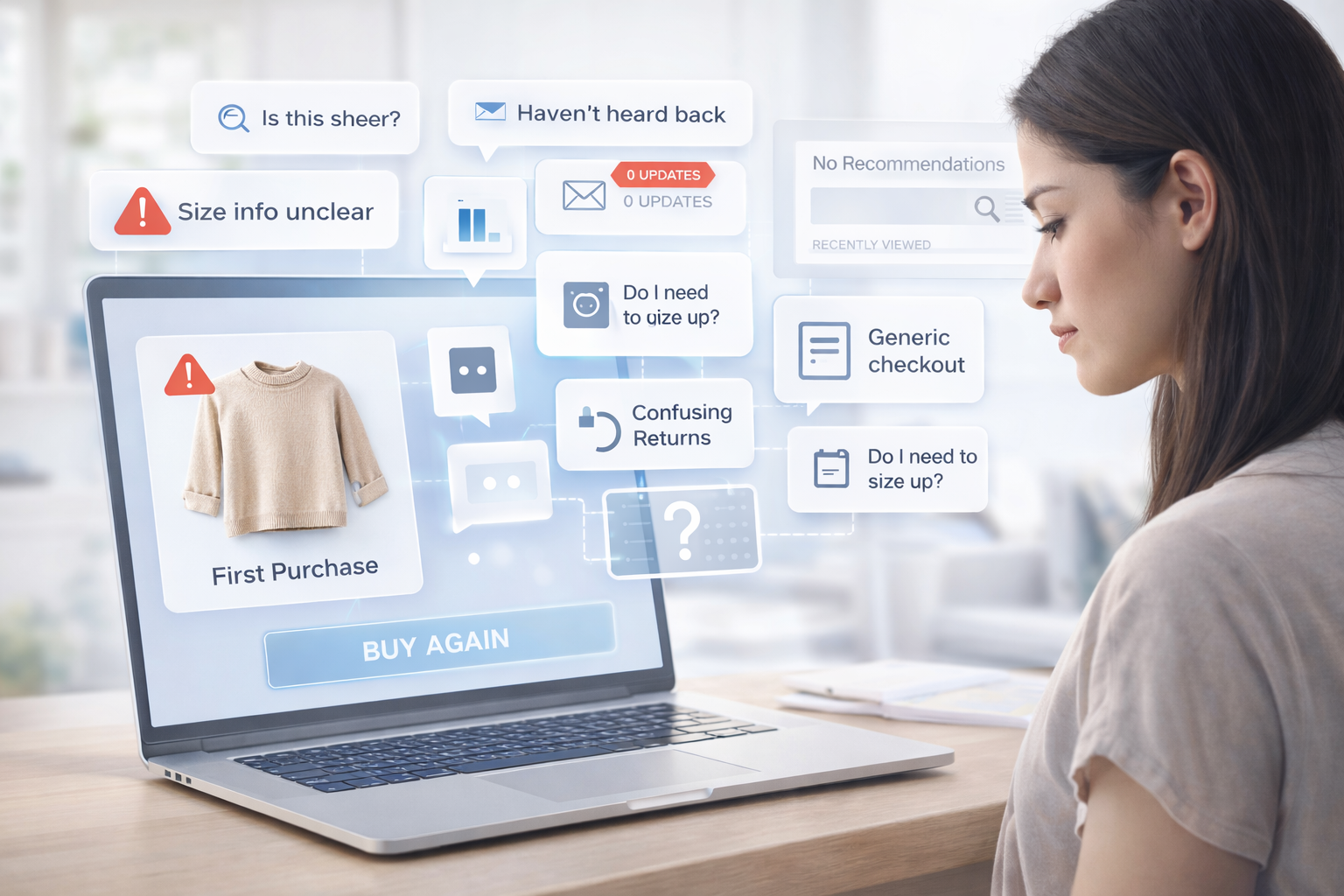

Getting a shopper to convert once is hard. Getting them to come back is harder. Many retailers focus heavily on acquisition and conversion optimization, only to discover later that repeat purchase rates remain stubbornly low. The problem isn’t always price, product quality, or even competition. More often, it’s the experience surrounding that first purchase.
Retention doesn’t break in one dramatic moment. It erodes quietly across small points of friction, unmet expectations, and missed opportunities to build confidence and trust.
Here are the ten most common reasons shoppers don’t return after their first purchase, and what they reveal about modern retail experiences.
1. The First Purchase Felt Transactional, Not Helpful
Shoppers remember how a brand made them feel during their first interaction.
If the experience felt purely transactional without guidance, reassurance, or education, there’s little emotional reason to return. This is especially true in categories like beauty, fashion, and electronics, where shoppers want confidence, not just fulfillment.
Brands that focus only on conversion mechanics miss the opportunity to build trust during the decision-making process. When shoppers feel unsupported, they’re less likely to return, even if the product itself was fine.
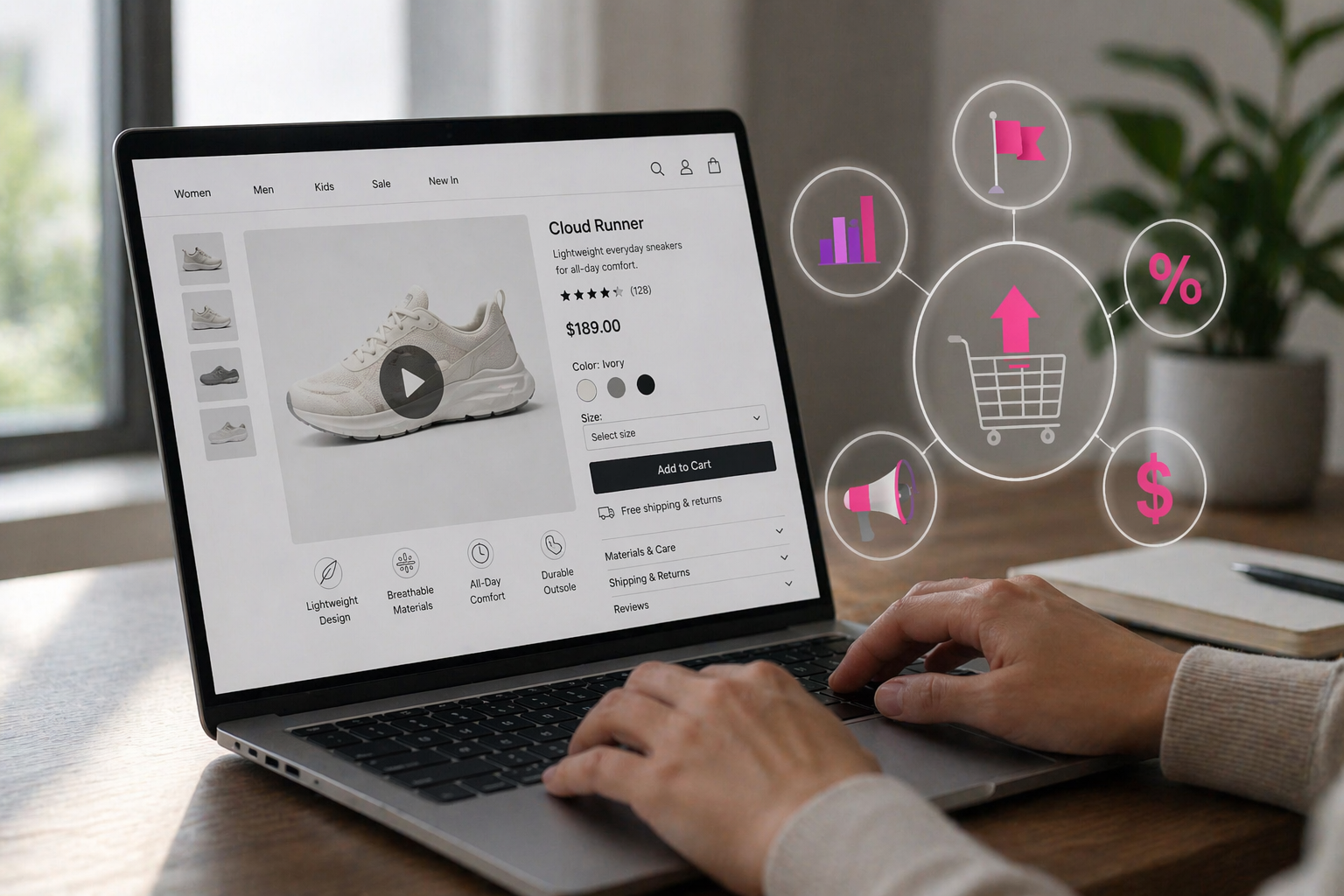
2. The Product Didn’t Match Expectations Set on the PDP
Expectation mismatch is one of the fastest ways to lose a customer. Shoppers often don’t return because what arrived didn’t align with what they thought they were buying. This can be due to unclear descriptions, insufficient visuals, missing context, or overly polished imagery that doesn’t reflect real-world use. Even when returns are processed smoothly, the damage is done. A shopper who feels misled, even unintentionally, rarely gives a second chance.
3. The Buying Experience Required Too Much Effort
Modern shoppers are impatient by necessity, not preference. If the first purchase required excessive scrolling, external research, or comparison across multiple tabs, the experience felt like work. Shoppers may still complete the purchase out of necessity, but they won’t return voluntarily.
Retailers that reduce cognitive load through clearer PDPs, guided discovery, and better content consistently see higher repeat purchase rates.
4. Post-Purchase Silence Created Uncertainty
What happens after checkout matters more than many brands realize.
When shoppers receive little communication after purchasing such as no confirmation clarity, no delivery updates, no onboarding or usage guidance, uncertainty creeps in. Brands that follow up with helpful post-purchase content reinforce trust and keep the relationship alive beyond the transaction.
5. Customer Support Was Hard to Find or Slow
Even one support issue can define a brand.
If shoppers encounter friction when trying to ask a question, resolve an issue, or get clarity, they remember it. Long wait times, generic responses, or confusing help flows create frustration disproportionate to the issue itself. In many cases, shoppers don’t complain, they simply don’t come back.
6. The Product Was Good, but the Experience Was Forgettable
Good products are no longer enough. In crowded retail markets, many brands offer comparable quality at similar prices. When the experience feels interchangeable, shoppers default to convenience, habit, or price the next time they buy. Memorable experiences aren’t about theatrics. They’re about clarity, relevance, and feeling understood.
7. The Shopper Didn’t Feel Recognized on Their Return Visit
Nothing signals “we don’t know you” faster than starting from zero. When returning shoppers are treated like first-time visitors, seeing the same generic homepage, the same PDP layouts, the same recommendations, the experience feels disconnected. Recognition doesn’t require invasive personalization. It requires continuity. Shoppers want to feel that the brand remembers what they cared about.
8. The Return or Exchange Process Felt Risky
Even shoppers who don’t return items notice how returns are handled. If return policies are unclear, restrictive, or buried, shoppers feel exposed. The perception of risk alone is enough to deter future purchases. Retailers that make returns transparent and frictionless don’t just reduce anxiety, they increase long-term loyalty.
9. There Was No Clear Reason to Come Back
Many brands simply don’t give shoppers a reason to return. After the first purchase, the relationship goes dormant. No relevant follow-ups. No contextual recommendations. No education or inspiration tied to what the shopper already bought. Without a clear next step, shoppers move on.
10. The Brand Didn’t Help the Shopper Succeed With the Product
This is the most overlooked reason of all. Shoppers don’t just buy products. They buy outcomes. When brands fail to help customers use, style, maintain, or get the most value from what they purchased, dissatisfaction grows quietly.
Brands that invest in post-purchase education, video guidance, and contextual content don’t just reduce churn, they create advocates.
Why Retention Fails Quietly
Most shoppers who don’t return never leave feedback. They don’t complain. They don’t churn loudly, they simply disappear. That’s why retention issues are often misdiagnosed as acquisition problems or pricing challenges. In reality, it’s gaps in guidance, clarity, and confidence.
How High-Performing Retailers Improve First-to-Second Purchase Rates
Retailers with strong repeat purchase rates focus on:
- reducing uncertainty before checkout
- reinforcing confidence after purchase
- maintaining continuity across visits
- guiding shoppers, not just selling to them
Retention improves when shoppers feel supported, not pressured.
The Real Retention Opportunity
When shoppers feel confident in what they bought, how to use it, and what comes next, returning becomes natural. The brands that win long-term aren’t the loudest, they’re the most helpful.
Talk to a Firework expert to see how video-first PDP experiences and AI-guided shopping journeys can turn first-time buyers into repeat customers.
FAQ
Why don’t shoppers come back after their first purchase?
Most shoppers don’t return because the experience didn’t build enough confidence or connection. Unclear product expectations, lack of guidance, and forgettable post-purchase experiences are more common drivers than price or product quality.
Is retention more about product quality or experience?
Both matter, but experience often has the bigger impact. Many shoppers don’t return even when the product is good because the buying or post-purchase experience felt confusing, impersonal, or incomplete.
How much does PDP content influence repeat purchases?
PDP content plays a significant role. When product pages clearly explain fit, usage, and value through video and interactive content, shoppers are more likely to feel confident and return for future purchases.
What’s the biggest mistake brands make after the first purchase?
Silence. Failing to follow up with helpful post-purchase content, education, or relevant recommendations leaves shoppers feeling unsupported and disconnected from the brand.
Can video content actually improve customer retention?
Yes. Video helps set accurate expectations before purchase and supports product success after purchase. Shoppers who understand what they bought and how to use it are more likely to return.
How does AI help improve repeat purchase rates?
AI helps by recognizing returning shoppers, personalizing content and recommendations, and guiding decisions more effectively. This continuity makes the experience feel familiar rather than starting from zero each visit.
What should retailers focus on to improve first-to-second purchase rates?
Retailers should focus on reducing uncertainty before checkout, supporting customers after purchase, and creating continuity across visits. Retention improves when shoppers feel guided, not sold to.
Unlock Exclusive Insights
By submitting this form, you agree to Firework's privacy policy and consent to receive personalized marketing communications. You can unsubscribe at any time.