Tariffs Are Squeezing Appliance Margins. Here's What That Means for How Brands Need to Sell

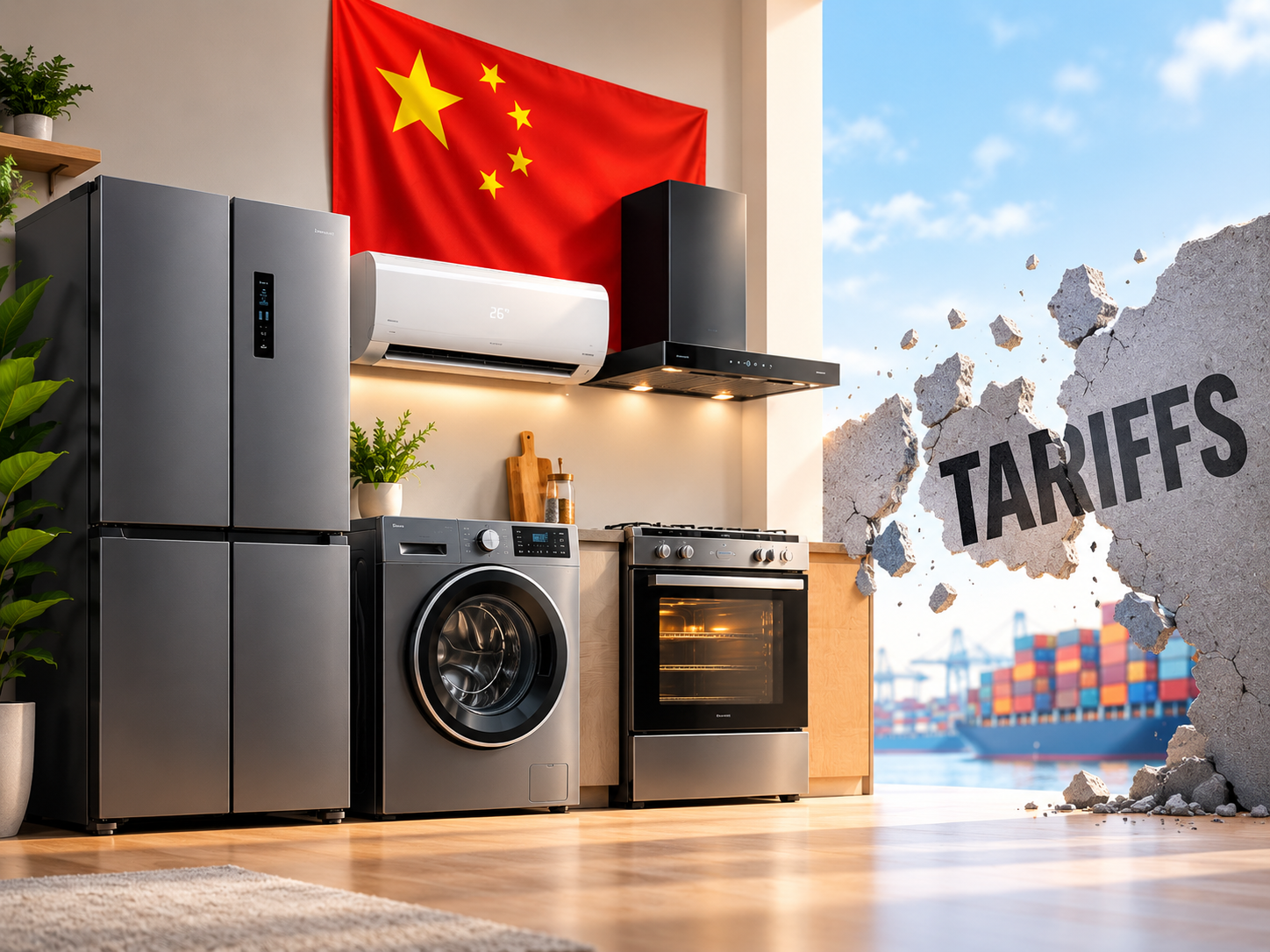
Section 232 tariffs on the steel and aluminum content of imported appliances have been in effect since mid-2025, with additional tariff actions taking effect earlier this year. The impact is now showing up clearly in earnings.
Electrolux reported a roughly 10% decline in US home appliance market demand for the first quarter and revised its North America outlook downward. Whirlpool's first-quarter revenue also contracted year over year, with earnings per share dropping sharply.
Retailers on the ground felt this before the numbers confirmed it. Foot traffic slowed. Quotes sat longer. Shoppers asked more questions about price than about features.
A few things are true right now:
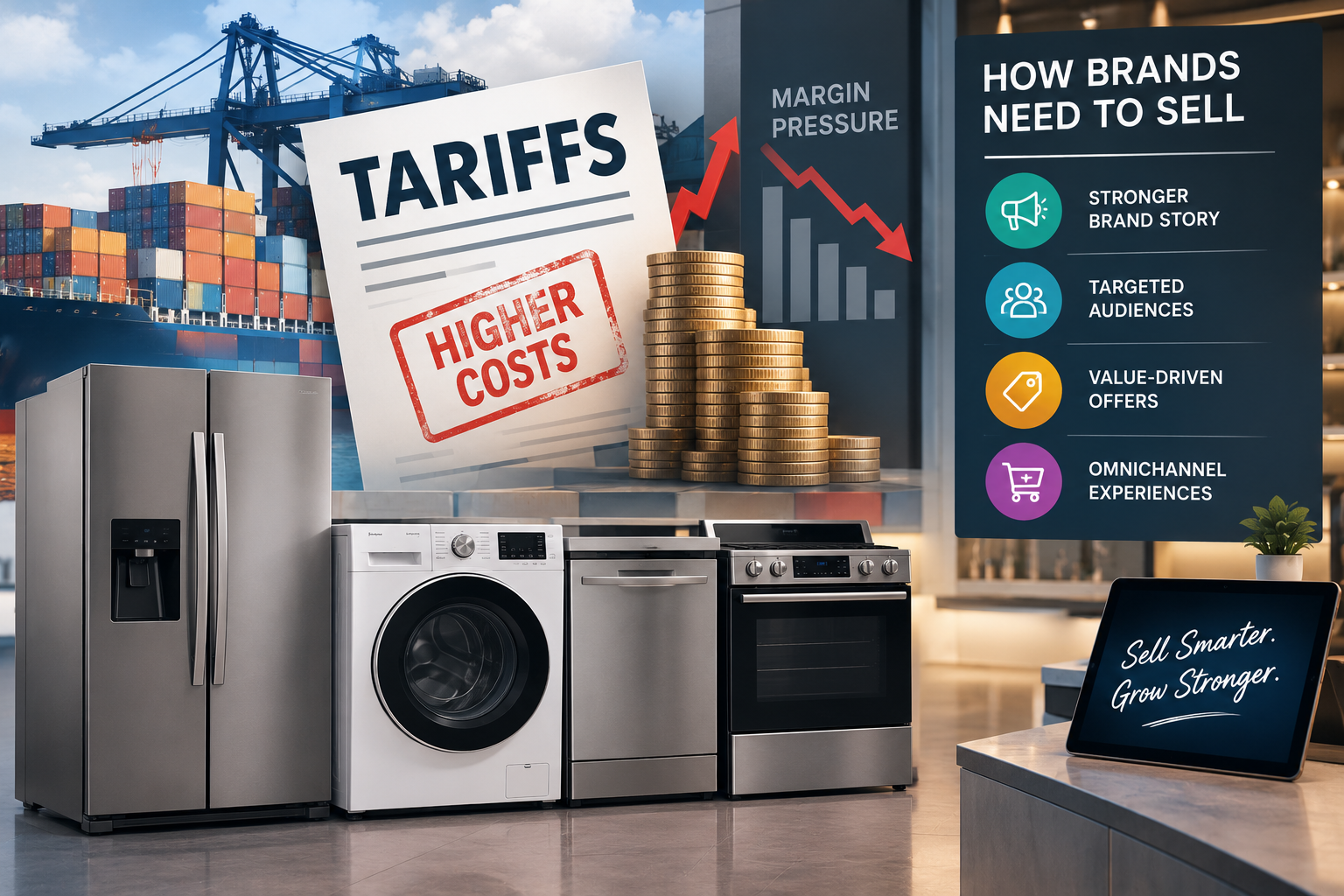
● Tariff-driven cost pressure is showing up in both margins and demand
● Shoppers are more price-focused than they've been in some time
● Brands can't simply raise prices without risking further demand softness
● The retailers holding up best are the ones justifying value clearly, not just absorbing costs quietly
Current Appliance Shopper Trends
1. Price Questions Are Coming Before Feature Questions
Shoppers used to lead with what a product does. Now many lead with what it costs, and whether that cost is justified. That's a real shift in how a sales conversation, online or in person, needs to start.
2. Shoppers Are Slower to Commit
Longer consideration windows mean more comparison shopping and more hesitation. A shopper unsure whether now is the right time to buy needs a clearer reason to act than one who was already planning the purchase.
3. Trade-In and Financing Offers Are Getting More Attention
When sticker prices climb, shoppers look harder at ways to soften the impact. Offers that used to be a minor detail are becoming a bigger part of the decision.
Industry Trends Impacting the Appliance Market
1. Retailers Are Absorbing Costs Unevenly
Some retailers are passing tariff costs directly to shoppers. Others are absorbing part of the hit to protect volume. That divergence is creating real price variation across the market, which savvy shoppers are noticing.
2. Demand Softness Is Rewarding Clarity Over Volume Tactics
In a softer demand environment, generic promotions matter less than a retailer's ability to make a specific, credible value case for a specific product.
3. Video Can Carry the Value Case a Price Tag Can't
A higher price with no context reads as a burden. The same price, with a clear video showing durability, efficiency, and real usage, reads differently. AI-generated video makes it realistic to build that kind of value context across a full catalog, not just a few flagship units, at a moment when shoppers are scrutinizing every purchase more closely than usual.
Challenges and Opportunities in Home Appliances
The challenge is real. Tariff pressure isn't temporary, and it's compressing margins at the same time it's softening demand.
The opportunity is that most competitors are responding with the same blunt tools: price increases or blanket discounts. A retailer that makes a specific, credible case for value stands out against both.
Strategic Recommendations for Home Appliance Brands and Retailers
The first priority is being upfront about why prices have moved, rather than letting a silent increase erode trust.
The second is using video to justify price with specifics: durability, efficiency, real-world performance, not just marketing language.
The third is making trade-in and financing options easy to find, since shoppers are actively looking for ways to make a purchase feel more affordable right now.
Looking Ahead
Tariff pressure on this category isn't resolving soon. The brands that get through this stretch in the strongest position will be the ones that treated it as a communication challenge, not just a pricing one.
Want to make your value case clearly during a price-sensitive stretch? See how leading appliance brands are using video to justify price with substance, not just discounts.
FAQ
How are tariffs affecting the home appliance industry in 2026?
Section 232 tariffs on steel and aluminum content in imported appliances have contributed to declining demand and margin pressure, with major manufacturers like Electrolux and Whirlpool reporting weaker first-quarter results.
Why are appliance shoppers more price-sensitive right now?
Rising costs tied to tariffs are pushing up prices at a time when shoppers already have less room in their budgets, leading many to focus more on price and delay purchase decisions.
Should appliance retailers raise prices or absorb tariff costs?
Retailers are handling this differently, with some passing costs directly to shoppers and others absorbing part of the increase to protect sales volume. The right approach depends on being able to clearly justify whatever price a shopper sees.
How can video help appliance brands during a period of tariff-driven price increases?
Video can show the specific durability, efficiency, and real-world value behind a price, giving shoppers a concrete reason to accept a higher cost instead of simply comparing prices across retailers.
Unlock Exclusive Insights
By submitting this form, you agree to Firework's privacy policy and consent to receive personalized marketing communications. You can unsubscribe at any time.