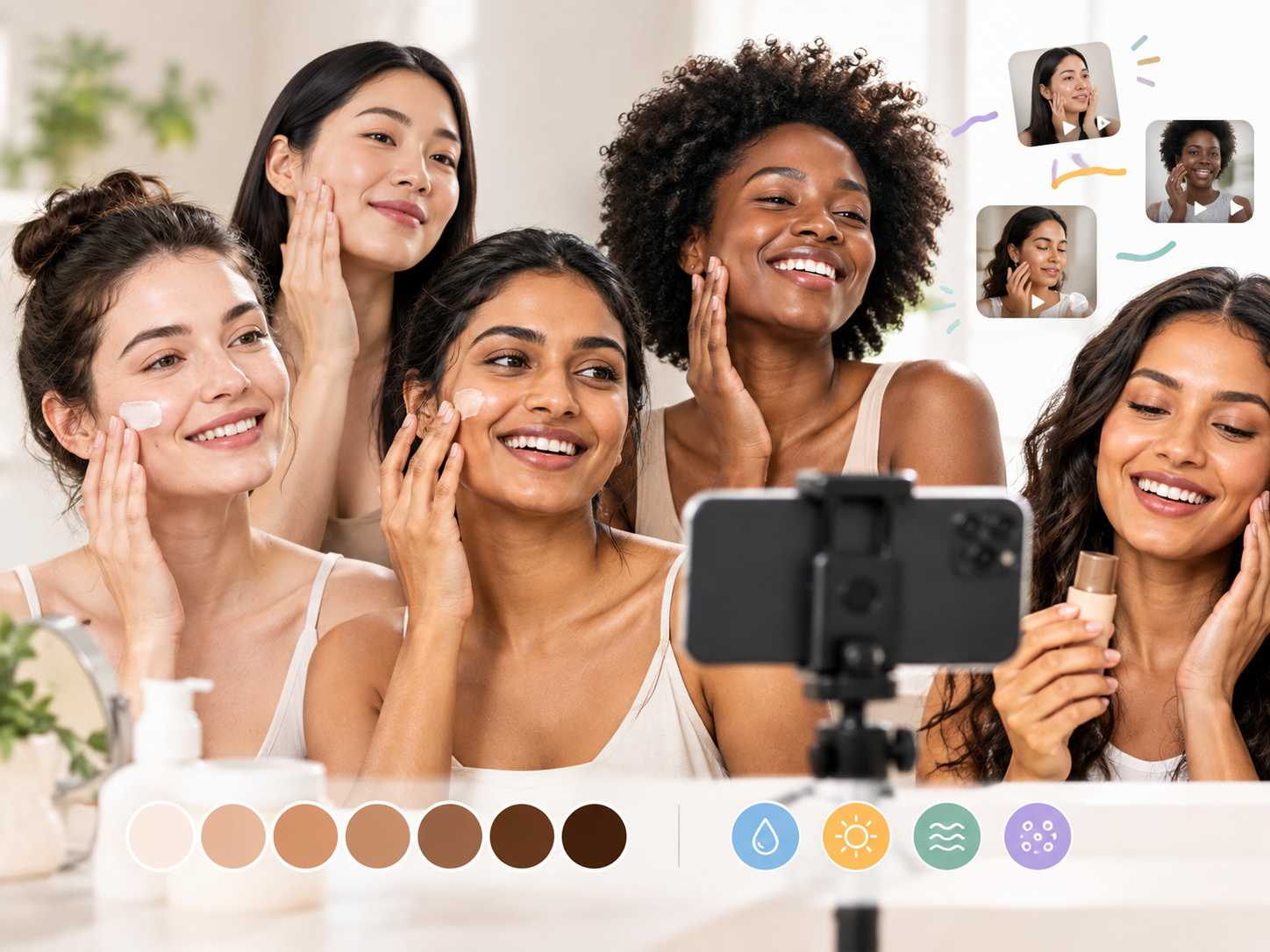
The Sample Aisle Disappeared. Video Has to Replace What Testing In-Store Used to Do
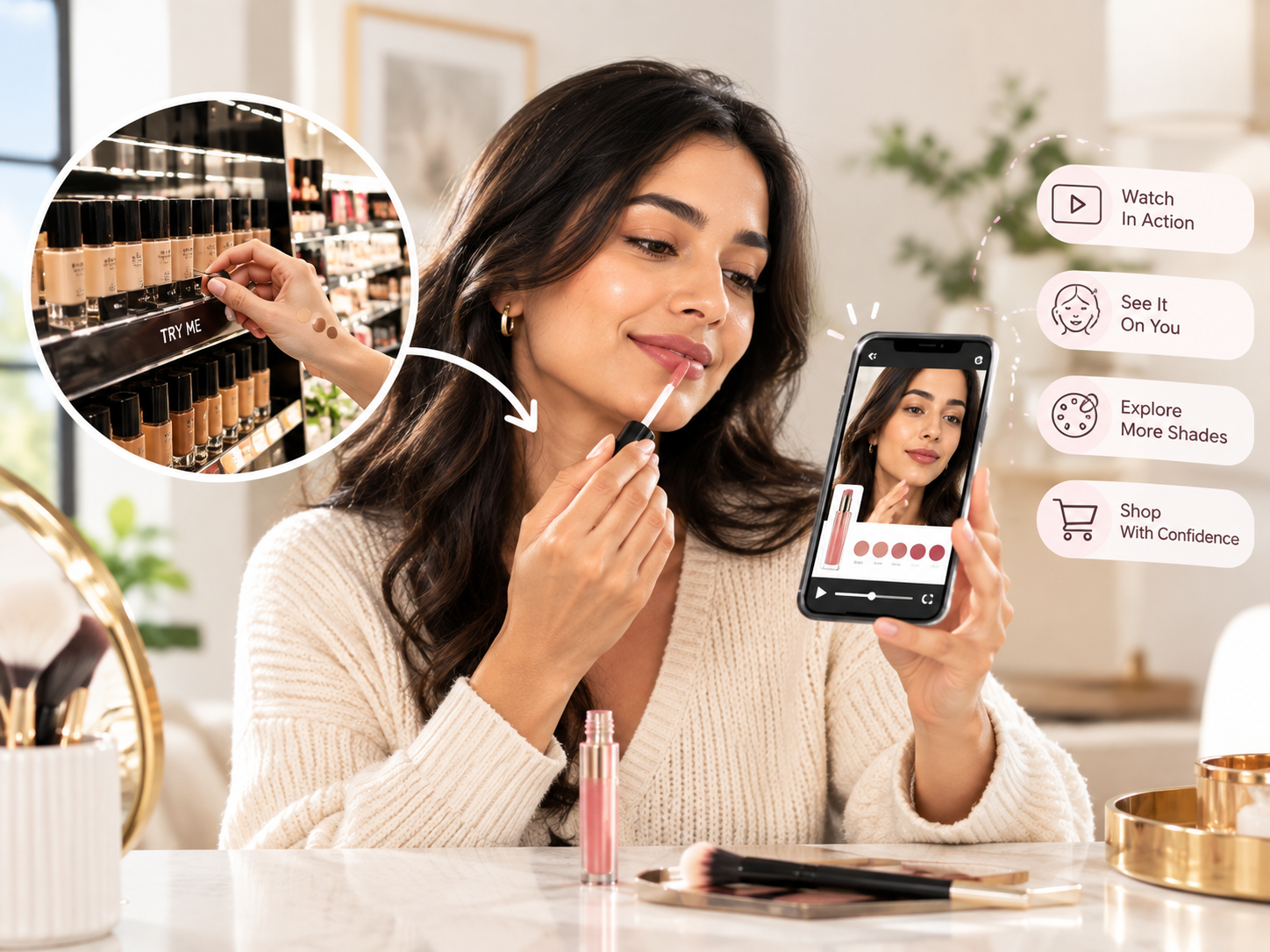

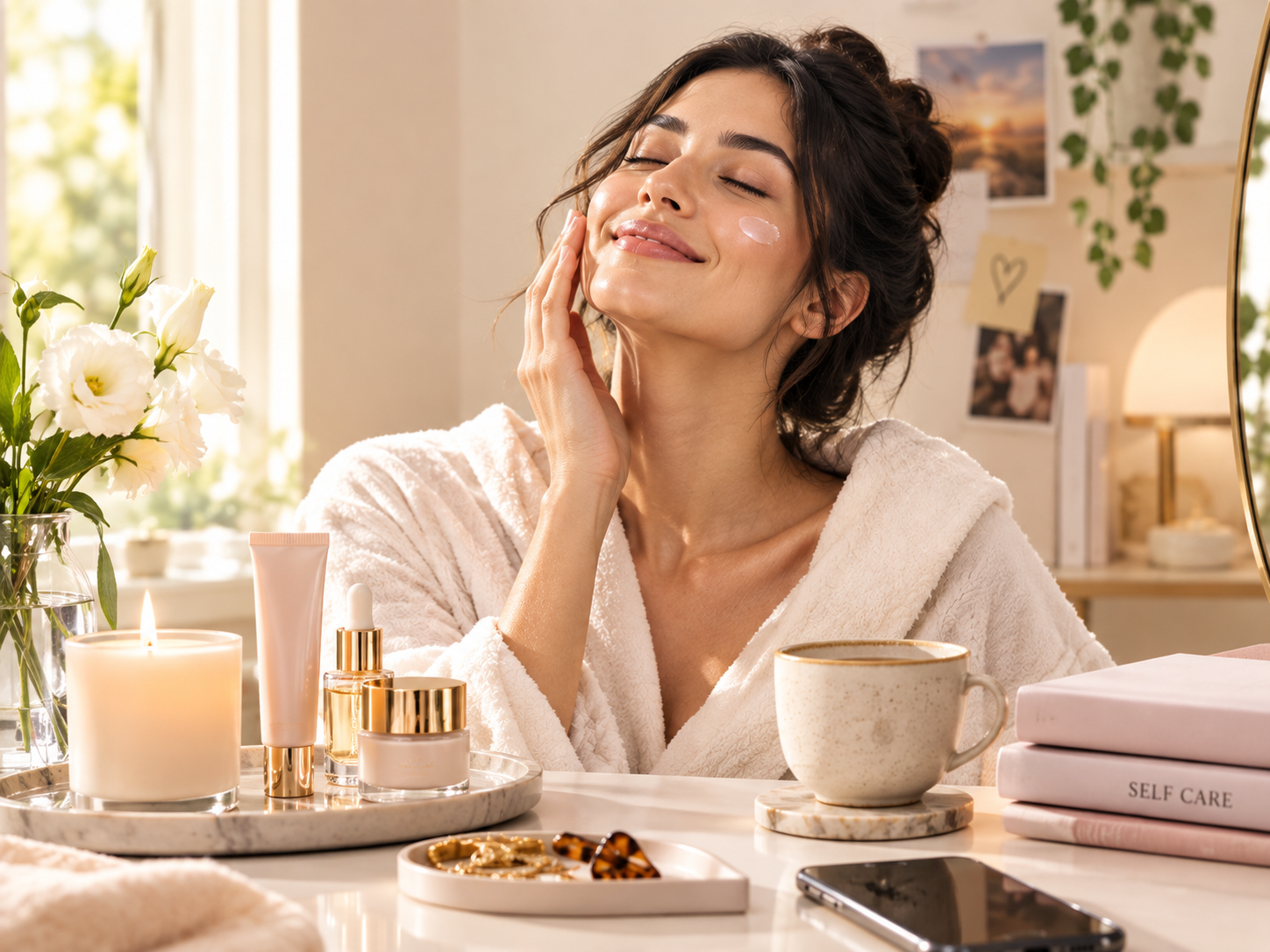
The in-store sample aisle used to solve a real problem. A shopper unsure about a scent, a texture, or a shade could simply try it before buying. That direct, physical testing removed a lot of purchase hesitation without requiring a single word of marketing copy.
For a growing share of beauty shopping, that aisle simply isn't part of the experience anymore. The problem it used to solve didn't go away. It just lost its solution.
A few things are true about this gap:
● Testing in person answered questions a shopper didn't even have to articulate: does this feel right, does this look right on me
● Online shopping removes that option entirely, without removing the underlying need for it
● Written descriptions and static photos were never designed to replace physical testing, they were designed to supplement it
● Brands that treat this as an unsolvable trade-off of online shopping are leaving real hesitation unaddressed
Current Beauty Consumer Trends
1. Shoppers Still Want to "Try Before They Buy," Even Online
The instinct to test before committing hasn't disappeared just because the physical aisle has. Shoppers are looking for a digital equivalent, whether or not brands are providing one.
2. Uncertainty About Texture and Finish Drives Hesitation More Than Shoppers Articulate
A lot of purchase hesitation in beauty isn't about price or brand trust, it's a quieter uncertainty about how something will actually feel or look once applied, the exact question sampling used to answer.
3. Return and Non-Repurchase Rates Often Reflect This Gap
When a product doesn't meet expectations set by a photo and description alone, the result is often a return or simply a shopper who doesn't come back, rather than direct feedback pointing to the actual cause.
Industry Trends Impacting the Beauty Market
1. Digital Sampling Has Been Attempted, Unevenly
Some brands have tried virtual try-on tools or expanded return policies to compensate for the loss of physical testing, with mixed results depending on how well those tools actually reflect real product behavior.
2. The Bar for "Good Enough" Digital Substitution Is Rising
As shoppers get more used to rich digital content elsewhere, a basic product photo increasingly feels like an inadequate substitute for the testing experience it's meant to replace.
3. Video Is the Closest Digital Equivalent to Physical Sampling
This is where shoppable video does its most direct work, showing real texture, application, and finish in a way that gets closer to what physical testing used to answer than a photo ever could. Because that standard needs to hold across an entire catalog, not just a few hero products, AI-generated video makes it realistic to provide that level of demonstration consistently, rather than only for a brand's best sellers.
Challenges and Opportunities in Beauty
The challenge is that no digital format perfectly replicates physical testing, and brands need to be honest about that rather than assuming a single tool fully solves it.
The opportunity is that video gets meaningfully closer than most current approaches, and brands that invest in it seriously are addressing a real, persistent source of hesitation that competitors are still leaving unresolved.
Strategic Recommendations for Beauty Brands and Retailers
The first priority is acknowledging that removing physical testing removed a real source of shopper confidence, not just a nice-to-have in-store feature.
The second is treating video as the primary tool for closing that gap, given how much more it can convey about texture and finish than a photo or description.
The third is extending that standard of demonstration across a full catalog, since hesitation about an unfamiliar product isn't limited to a brand's most popular items.
Looking Ahead
The sample aisle isn't coming back for most online beauty shopping, but the need it served hasn't gone anywhere. Brands that treat video as its real replacement, not just a marketing nicety, will resolve a source of hesitation that a growing share of shoppers still feel every time they consider an unfamiliar product.
Want to give shoppers the confidence testing in-store used to provide? See how leading beauty brands are using video to replace what sampling used to do.
FAQ
Why was in-store product sampling important for beauty shoppers?
Physical sampling let shoppers test texture, scent, or shade before buying, resolving uncertainty that a written description or photo alone couldn't address, often without the shopper even needing to explain what they were unsure about.
What has replaced in-store sampling for online beauty shopping?
No single solution has fully replaced it. Some brands use virtual try-on tools or flexible return policies, but video showing real texture and application has emerged as the closest equivalent to physical testing.
Does the loss of in-store sampling affect beauty purchase behavior?
Yes. Hesitation and non-repurchase are often linked to unmet expectations about texture or finish, an uncertainty that in-store sampling used to resolve before a shopper ever went to the register.
Why is video considered a better substitute for sampling than static photos?
Video can show real application, texture, and finish in motion, providing far more of the information a shopper would have gathered by physically testing a product than a static image can convey.
Unlock Exclusive Insights
By submitting this form, you agree to Firework's privacy policy and consent to receive personalized marketing communications. You can unsubscribe at any time.