Fall Prices Are Rising for a Reason: What Tariffs Mean for Fashion Right Now
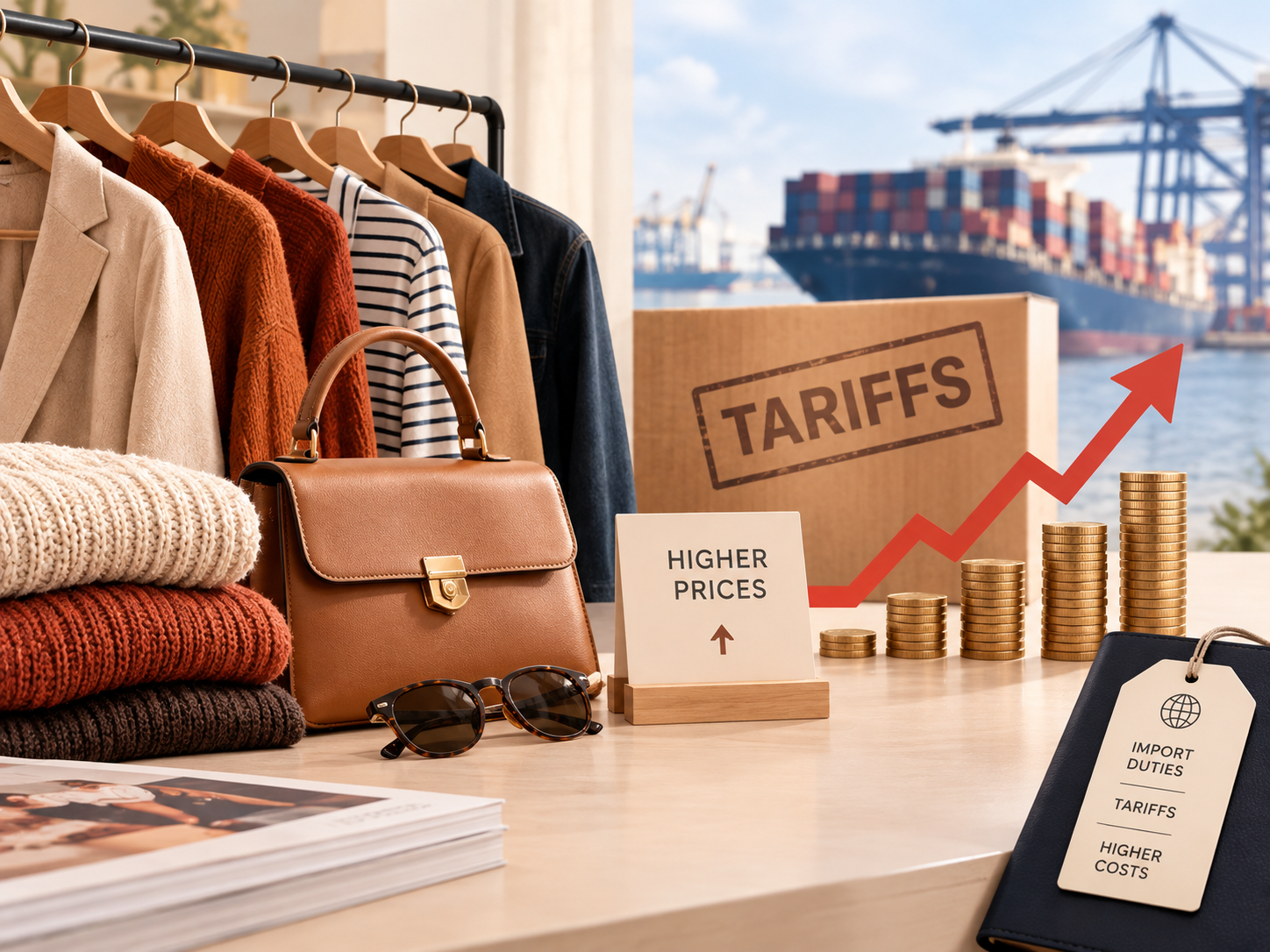

Shoe and apparel prices are climbing this fall, and tariffs are a big part of why. Moody's Ratings has kept its outlook for the global retail and apparel sector negative, citing tariff-driven cost pressure that companies have limited ability to pass on without hurting demand.
The average tariff rate on US apparel imports reached roughly 35% in recent months, a sharp rise from under 15% at the start of last year. Nike has said it expects $1.5 billion in gross incremental costs from tariffs on an annualized basis, up 50% from its earlier estimate.
A few things are converging this season:
● Cost pressure from tariffs is showing up in retail prices, not just company earnings calls
● Shoppers are noticing higher prices at exactly the time of year they're buying fall wardrobes
● Brands have limited room to raise prices further without risking demand
● The brands managing this best are explaining value clearly, not just quietly passing costs along
Current Apparel Shopper Trends
1. Price Increases Are Landing During a High-Purchase Season
Fall is typically a strong buying season for apparel and footwear. That means tariff-driven price increases are hitting shoppers at a moment when they're already making multiple purchase decisions.
2. Shoppers Are Comparing More Before Committing
Rising prices are pushing more shoppers to compare options across brands and retailers before buying, rather than purchasing on impulse or habit.
3. Value Justification Matters More Than It Did a Year Ago
A price increase that isn't explained reads as opportunistic. The same increase, tied clearly to material quality, durability, or craftsmanship, reads very differently.
Industry Trends Impacting the Apparel Market
1. Brands Are Responding to Tariffs in Different Ways
Some brands are absorbing costs to protect volume. Others are passing them directly to shoppers. That divergence is creating more visible price variation across the market than shoppers are used to seeing.
2. Sourcing Shifts Are Adding Complexity Behind the Scenes
Many brands are adjusting sourcing regions to manage tariff exposure, which can affect availability and consistency of certain products even when the shopper-facing price stays similar.
3. Video Can Carry the Value Case Behind a Higher Price
A higher price tag with no context is just a number. The same price, with video showing fabric quality, construction, or fit, gives a shopper a reason to accept it. AI-generated video makes it realistic to build that kind of value context across a full assortment during a season when shoppers are scrutinizing price more than usual.
Challenges and Opportunities in Apparel
The challenge is real: tariff pressure is structural right now, not a temporary blip brands can simply wait out.
The opportunity is that most competitors are responding with the same blunt options, quiet price increases or broad discounting, rather than making a clear, specific case for value. A brand that does the latter stands out by contrast.
Strategic Recommendations for Apparel Brands and Retailers
The first priority is being transparent about why prices have moved, rather than letting shoppers discover it on their own and assume the worst.
The second is using video to justify price with real substance: material quality, construction, durability, not just brand messaging.
The third is watching how competitors are pricing this season, since visible divergence is creating real opportunities for brands that communicate value more clearly than others.
Looking Ahead
Tariff pressure on apparel and footwear isn't resolving quickly, and this fall is likely to be a real test of which brands can hold shopper trust through visible price increases. The brands that explain value clearly will come out of this season in a stronger position than those hoping shoppers won't notice.
Want to make a clear case for value during a price-sensitive season? See how leading fashion brands are using video to justify price with substance, not just messaging.
FAQ
Why are apparel and footwear prices rising this fall?
Tariffs on imported apparel and footwear have pushed average import costs significantly higher, and brands have limited ability to absorb those costs without passing at least some of the increase on to shoppers.
How much have apparel tariffs increased recently?
The average tariff rate on US apparel imports reached roughly 35% in recent months, up sharply from under 15% at the start of the prior year, according to industry trade analysis.
How are fashion brands responding to rising tariff costs?
Responses vary. Some brands are absorbing costs to protect sales volume, while others are passing costs directly to shoppers through higher prices, and many are also adjusting sourcing regions to manage exposure.
How can apparel brands maintain shopper trust while raising prices?
By being transparent about why prices are increasing and using content, particularly video, to demonstrate the value behind the price, such as material quality and construction, rather than raising prices without explanation.
Unlock Exclusive Insights
By submitting this form, you agree to Firework's privacy policy and consent to receive personalized marketing communications. You can unsubscribe at any time.