The Real Reason Apparel Brands Are Losing the Second Purchase
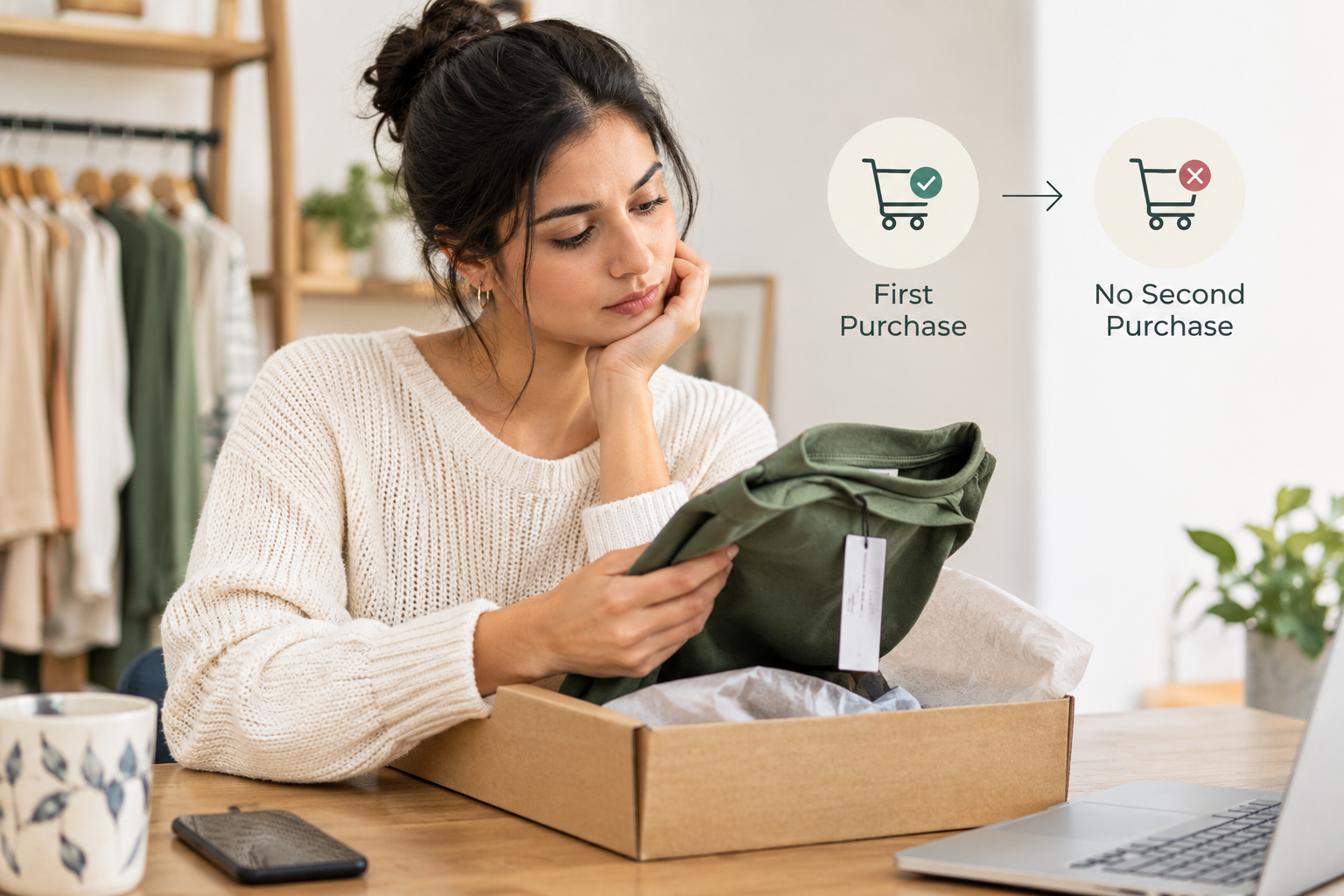

A lot of energy in apparel marketing goes toward winning a shopper's first purchase: the ad that earns the click, the content that earns the sale. Comparatively little goes toward what happens next, and that's often where the real customer relationship is won or lost.
A first purchase is, in some ways, the easiest sale a brand will ever make to that customer. A second purchase requires something a first one didn't: an actual track record.
A few things are true about this gap:
● A first-time buyer is making a decision based on marketing and hope. A repeat buyer is making a decision based on actual experience
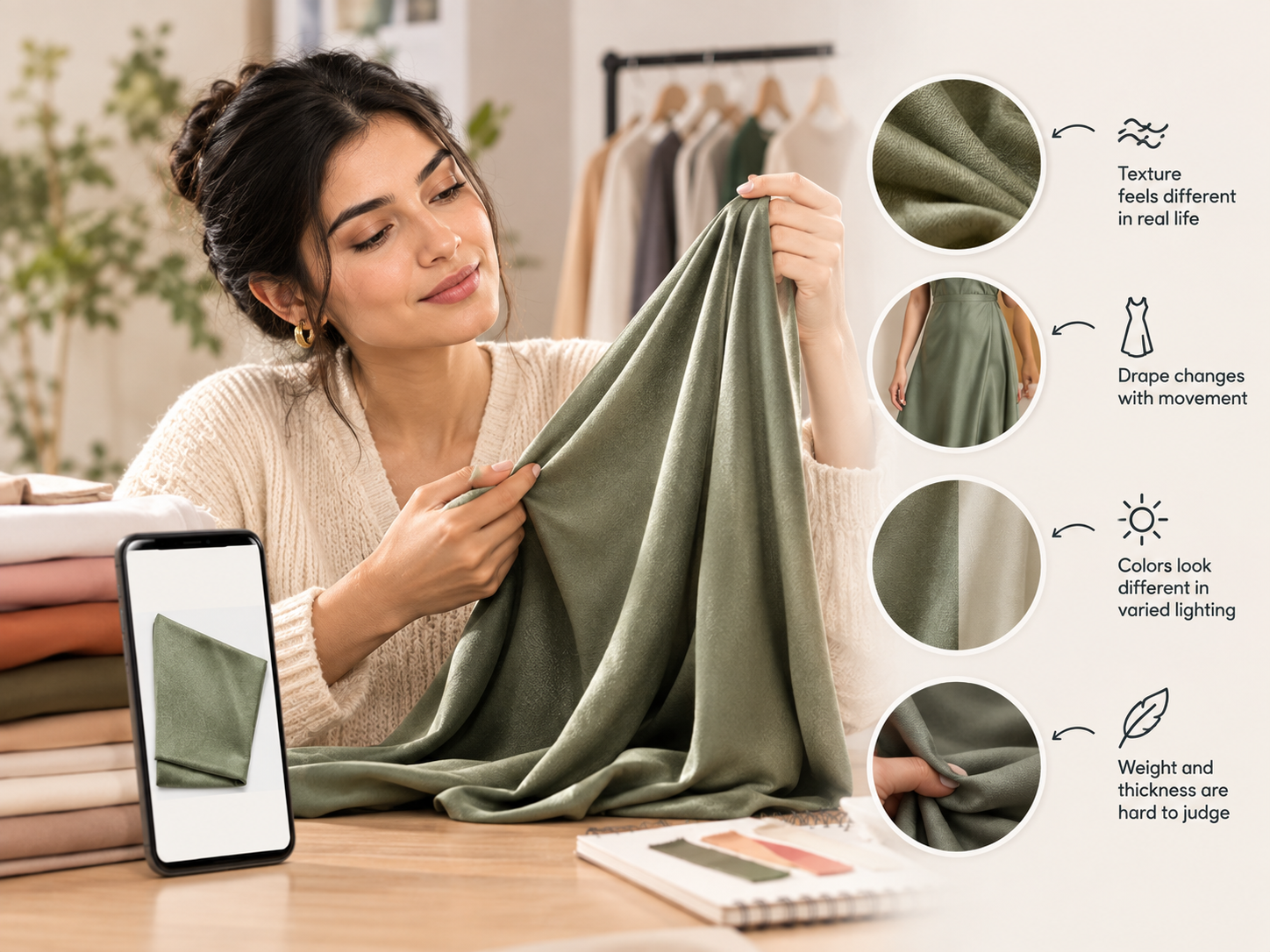
● If that experience didn't match expectations, sizing was off, fabric felt different than shown, quality didn't hold up, a second purchase becomes a much harder sell
● Brands rarely close the loop after a first purchase to understand whether the experience actually matched what was promised
● Fixing this isn't primarily a loyalty program problem, it's a content and expectation-setting problem
Current Apparel Shopper Trends
1. First Purchases Are Often Made on Optimism, Second Purchases on Evidence
A first-time shopper is trusting marketing content and reviews. A returning shopper already has their own direct experience to weigh that content against, and it takes priority.
2. A Mismatch Between Expectation and Reality Quietly Ends the Relationship
A shopper doesn't always complain when a product doesn't match what they expected. Often, they simply don't come back, which makes this problem easy for a brand to miss.
3. Fit and Fabric Surprises Are Common Culprits
When a first purchase doesn't match what was shown, in fit, fabric feel, or quality, that mismatch becomes the story a shopper tells themselves about the brand going forward.
Industry Trends Impacting the Apparel Market
1. Retention Metrics Often Miss This Root Cause
Many brands track repeat purchase rate without diagnosing why shoppers don't return. That leaves the actual driver, a content or expectation mismatch, often unaddressed.
2. Accurate Pre-Purchase Content Is a Retention Tool, Not Just a Conversion Tool
Content that sets accurate expectations about fit, fabric, and quality doesn't just support the first sale. It protects the second one, by making sure the product that arrives matches what was promised.
3. Video Closes the Expectation Gap Before It Becomes a Retention Problem
This is where shoppable video does double duty: showing real fit, fabric movement, and quality accurately enough that what a shopper receives actually matches what they expected. Because that accuracy needs to hold across an entire catalog, not just top sellers, AI-generated video makes it realistic to maintain that standard at scale, protecting the second purchase for a much wider range of products.
Challenges and Opportunities in Apparel
The challenge is that this problem is largely invisible in standard retention metrics, since a disappointed shopper usually just leaves quietly rather than flagging the issue.
The opportunity is that closing the expectation gap doesn't require a new retention program, it requires more accurate pre-purchase content, something already within a brand's control.
Strategic Recommendations for Apparel Brands and Retailers
The first priority is treating pre-purchase content accuracy as a retention strategy, not just a conversion tactic.
The second is using video specifically to reduce the gap between what's shown and what arrives, since fit and fabric mismatches are common, quiet reasons shoppers don't return.
The third is looking beyond repeat purchase rate alone to understand why first-time buyers do or don't come back, rather than treating retention as a loyalty program problem exclusively.
Looking Ahead
Winning a first purchase will always require real marketing effort, but it's the second purchase that actually reflects whether a brand delivered on what it promised. Brands that close the expectation gap with more accurate, video-driven content will keep more of the customers other brands are quietly losing.
Want the product that arrives to match what you promised, every time? See how leading apparel brands are using video to protect the second purchase, not just win the first.
FAQ
Why do apparel brands struggle to convert first-time buyers into repeat customers?
A second purchase depends on whether the first product actually matched what was shown, in fit, fabric, and quality. When it doesn't, shoppers often simply don't return, without necessarily complaining first.
How can apparel brands identify why customers aren't making a second purchase?
Many brands only track repeat purchase rate without investigating the underlying cause, such as expectation mismatches from inaccurate pre-purchase content. The real driver often goes undiagnosed as a result.
Why does pre-purchase content accuracy matter for customer retention?
Content that accurately represents fit, fabric, and quality helps ensure what a shopper receives matches what they expected, reducing the disappointment that often quietly ends a customer relationship after just one purchase.
How does video help apparel brands retain customers after a first purchase?
Video can show real fit and fabric behavior more accurately than static photos, reducing the chance that a shopper's actual experience falls short of what was promised, which directly supports the likelihood of a second purchase.
Unlock Exclusive Insights
By submitting this form, you agree to Firework's privacy policy and consent to receive personalized marketing communications. You can unsubscribe at any time.