Retail Trends 2026: How AI, Video, and Data Are Redefining Conversion

Retail is entering a new phase. The question is no longer whether digital channels drive revenue, it’s how effectively brands turn attention into action. As we head into 2026, three forces are converging to redefine conversion across retail: AI-driven decisioning, video-first experiences, and smarter use of behavioral data.
Individually, each of these trends has been building for years. Together, they are reshaping how shoppers discover products, how they gain confidence, and how quickly they move from interest to purchase. Here’s what retail leaders need to understand about where conversion is heading next.
AI Is Moving From Optimization to Active Decision Support
In 2025, AI largely focused on optimizing existing flows including recommendations, personalization rules, and basic automation. In 2026, AI’s role shifts from supporting the funnel to actively guiding it.
Retailers are increasingly using AI to interpret intent in real time: what a shopper is trying to accomplish, what questions they’re likely to have, and what information they need to move forward. Instead of static product pages that wait for shoppers to scroll and click, AI-driven experiences respond dynamically, adjusting content, recommendations, and messaging based on behavior signals.
This shift matters because conversion rarely fails due to lack of interest. It fails due to uncertainty. AI that can anticipate hesitation and proactively address it becomes a direct driver of revenue, not just efficiency.
Video Becomes the Primary Layer of Product Understanding
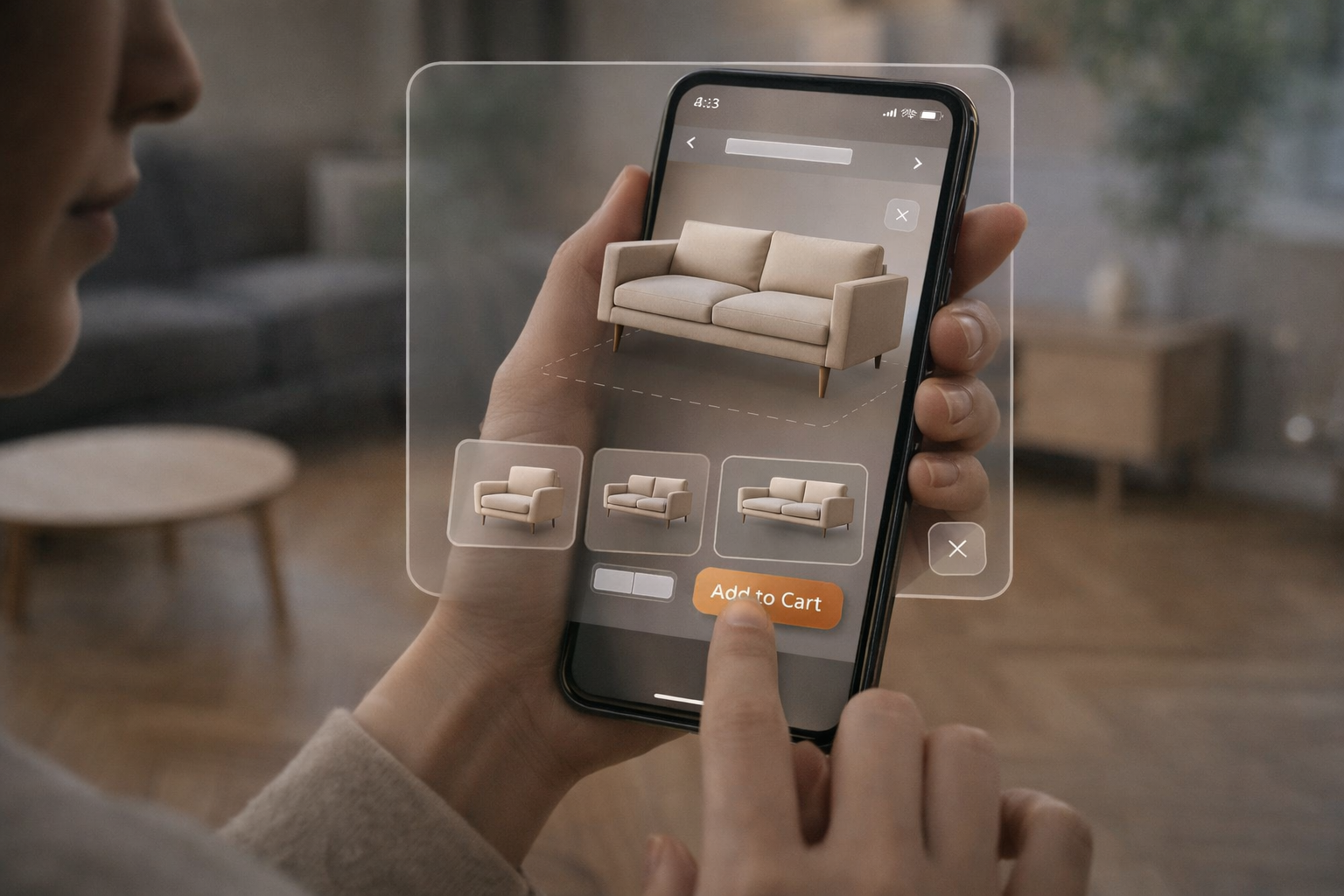
By 2026, video is no longer a supporting asset, it’s the core way shoppers evaluate products. Static images and long descriptions still exist, but they are no longer sufficient on their own, especially in categories like beauty, fashion, home, and consumer electronics.
Video compresses decision-making time. A short product demo, usage clip, or comparison video can answer questions that would otherwise require multiple scrolls, reviews, or external searches. The result is faster clarity and higher confidence.
What’s changing in 2026 is where video lives. Instead of being tucked into galleries or secondary tabs, video is becoming the entry point of the product experience, embedded directly into PDPs, search results, and category pages. Retailers that treat video as infrastructure rather than content are seeing stronger engagement and more consistent conversion lifts.
Data Is Shifting From Reporting to Prediction
Retail teams have never lacked data. What’s changing in 2026 is how that data is used. Rather than simply reporting on past performance, leading retailers are using behavioral and PDP-level data to predict what shoppers will want next. Signals like dwell time, hover behavior, repeat video views, FAQ interactions, and comparison patterns are increasingly used to inform what content, products, or offers should appear in real time.
This predictive approach allows retailers to reduce friction before it shows up in conversion metrics. Instead of reacting to drop-offs after the fact, teams can adapt the experience while the shopper is still engaged, changing the path of the journey mid-session.
The PDP Becomes the New Conversion Engine
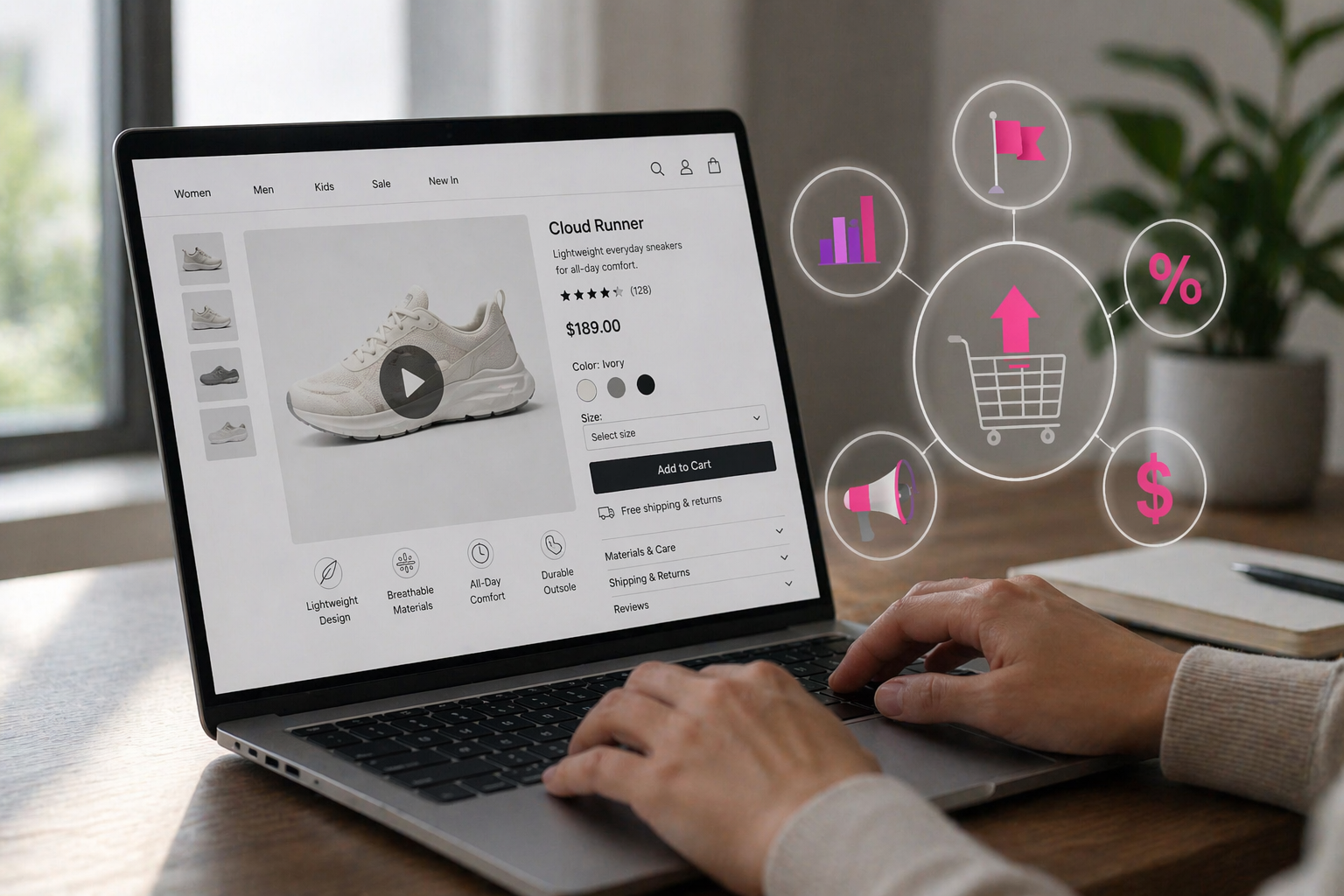
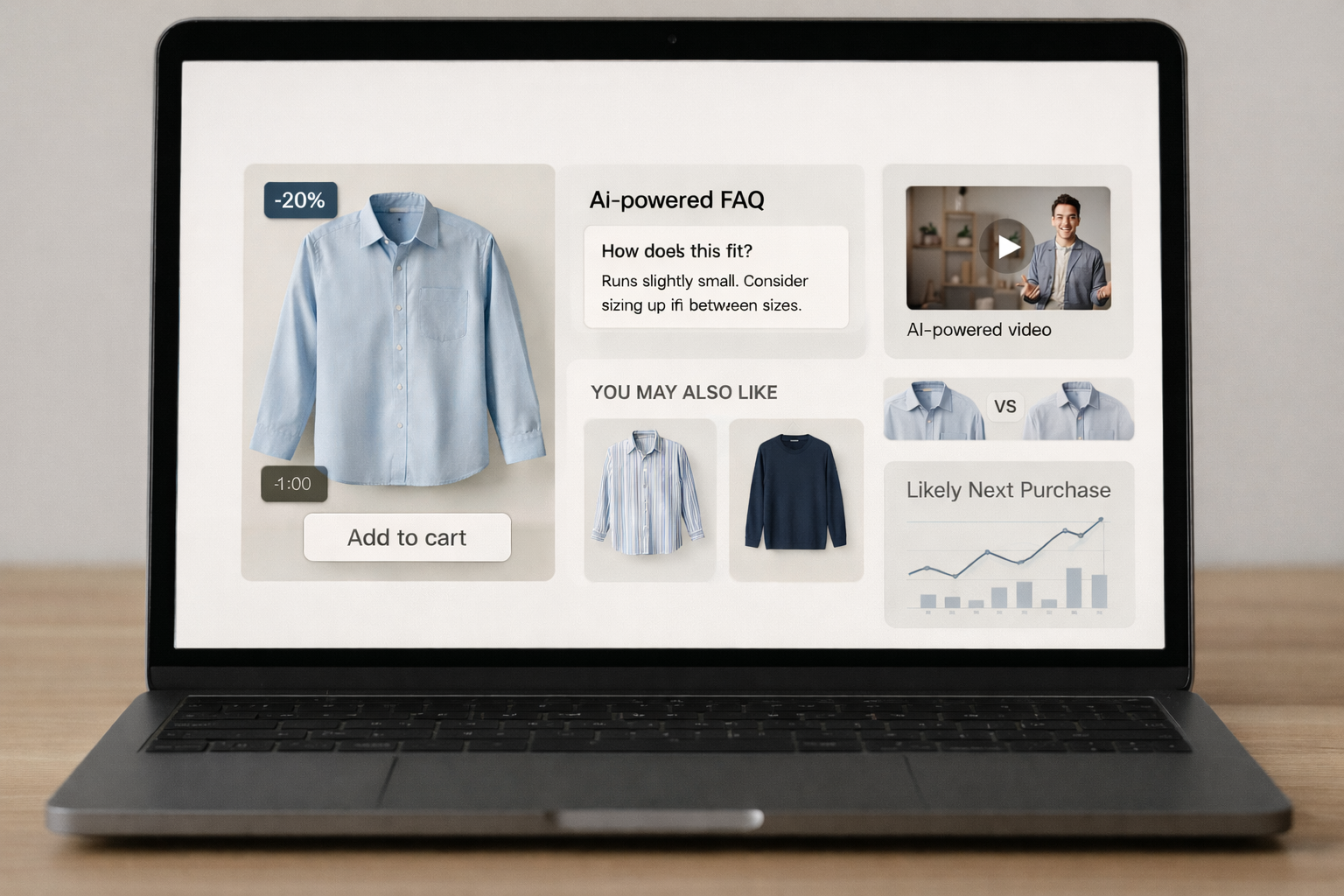
One of the clearest trends heading into 2026 is the elevation of the product detail page. PDPs are becoming dynamic environments where discovery, education, and conversion happen simultaneously. Modern PDPs increasingly combine AI-driven recommendations, video content, interactive FAQs, and contextual cross-sells into a single experience. This reduces the need for shoppers to bounce between pages, tabs, or external platforms to complete their research.
As PDPs become more intelligent and more visual, they function less like catalogs and more like digital store associates, guiding shoppers through complex decisions in a way that feels intuitive rather than transactional.
Conversion Is Measured by Confidence, Not Clicks
Another major shift for 2026 is how conversion success is defined. While conversion rate remains a core KPI, leading teams are paying closer attention to the signals before the click.
Metrics like time to decision, content engagement depth, return rates, and post-purchase satisfaction are increasingly used to evaluate whether experiences are truly effective. The logic is simple: confident shoppers convert faster, return less, and stay loyal longer. AI, video, and data all play a role in building that confidence. When shoppers feel informed and supported, conversion becomes a natural outcome rather than a forced action.
Retail Teams Are Rethinking How Experiences Scale
As experiences become more dynamic, the challenge for enterprise retailers is scale. Creating personalized, video-rich, AI-driven experiences manually isn’t sustainable.
That’s why 2026 is also about systematizing content and intelligence. Retailers are investing in platforms that allow them to deploy video, AI assistance, and data-driven personalization across thousands of products without increasing operational overhead.
The goal isn’t more content, it’s the right content, delivered at the right moment, across every PDP and channel.
What This Means for Retail in 2026
The next generation of retail conversion isn’t about chasing new channels or adding more features. It’s about reducing uncertainty at scale.
Together, they create shopping experiences that feel guided, not overwhelming, and that’s what drives conversion in an increasingly crowded retail landscape.
Talk to a Firework expert to learn how AI-driven video and data-powered PDP experiences can help you convert more shoppers in 2026 and beyond.
FAQ
What are the biggest retail trends for 2026?
The biggest trends include AI-driven personalization, video-first product experiences, and data-powered dynamic PDPs that adapt to shopper behavior in real time.
How is AI changing conversion in retail?
AI helps retailers predict intent, reduce friction, personalize content delivery, and guide shoppers through faster, more confident purchase decisions.
Why is video so important for ecommerce conversion?
Video provides clarity that static content can’t. It demonstrates products in use, answers questions visually, and helps shoppers feel confident enough to buy.
What does a “dynamic PDP” mean?
A dynamic PDP adapts content, videos, FAQs, and recommendations based on real-time shopper behavior rather than showing the same layout to everyone.
How should retail teams prepare for 2026?
Retail teams should invest in AI-assisted discovery, scalable video content, and data infrastructure that allows experiences to adapt in real time.
Unlock Exclusive Insights
By submitting this form, you agree to Firework's privacy policy and consent to receive personalized marketing communications. You can unsubscribe at any time.