What the Latest CPI Data Means for How Grocery Brands Talk About Value
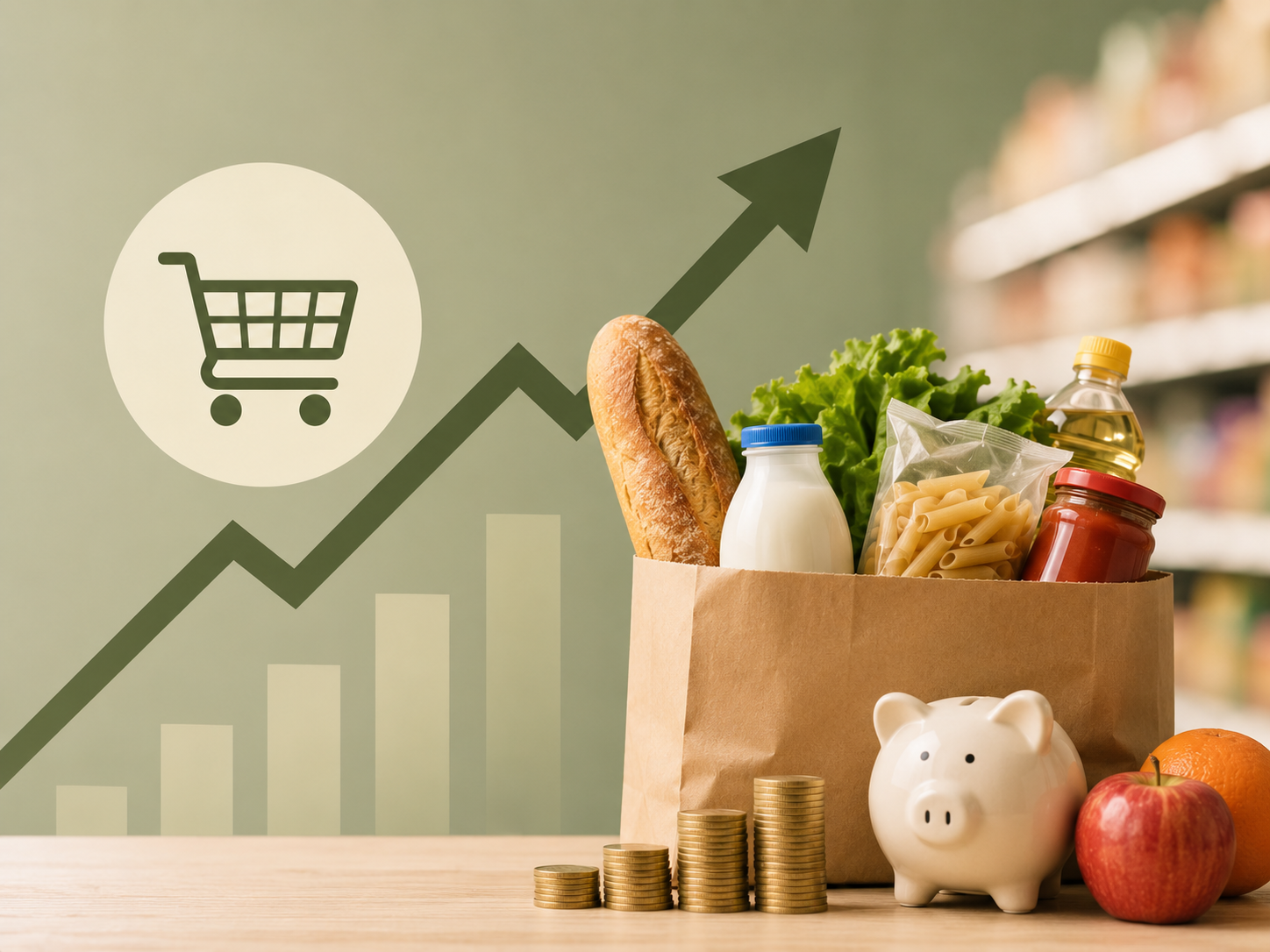

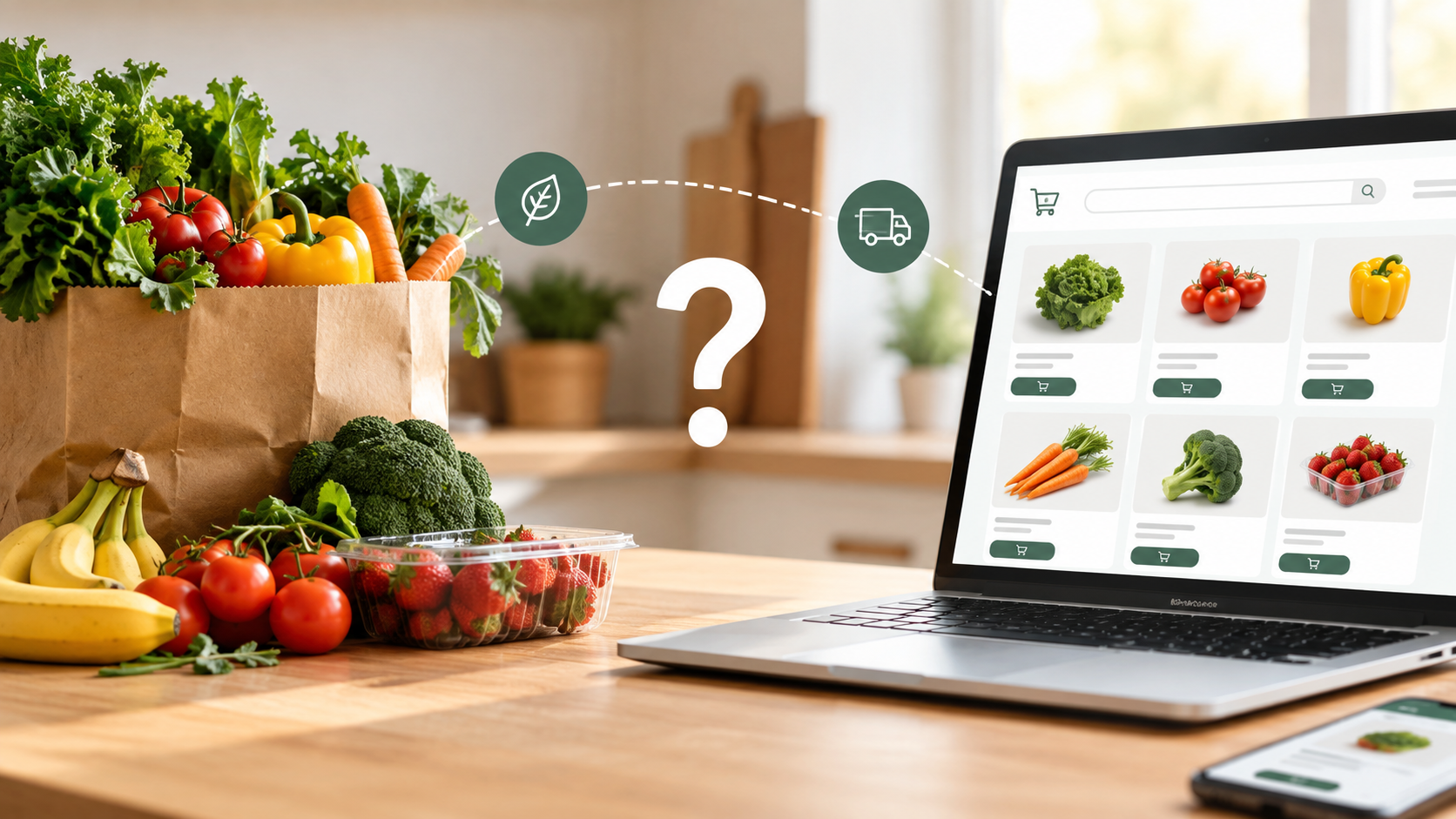
Grocery prices are climbing again, and shoppers are noticing before brands finish adjusting their messaging.
The latest Consumer Price Index data shows food prices up roughly 3% year over year, with grocery specifically running slightly ahead of that pace. Continued tariff pressure on imported produce and select packaged goods is adding to the squeeze.
For grocery brands, this isn't just a pricing story. It's a communication problem.
A few things are converging:
● Shoppers are more price-aware than they've been in recent memory
● Vague "value" messaging doesn't hold up when a shopper can compare prices in seconds
● Trust in a brand's pricing honesty is becoming a real differentiator
● The brands that explain value clearly, not just claim it, are the ones keeping shoppers through a price-sensitive stretch
Current Grocery Shopper Trends
1. Price Sensitivity Is Rising Faster Than Loyalty
When prices climb, shoppers don't just tolerate it quietly. They compare more, switch more, and scrutinize claims more closely. Brand loyalty built in a lower-price environment doesn't automatically survive a higher-price one.
2. "Value" Has Become a Specific Claim, Not a Vague One
Shoppers are less persuaded by a brand simply saying it offers good value. They want to see it: cost per serving, ingredient quality relative to price, or a clear comparison to what they were paying before.
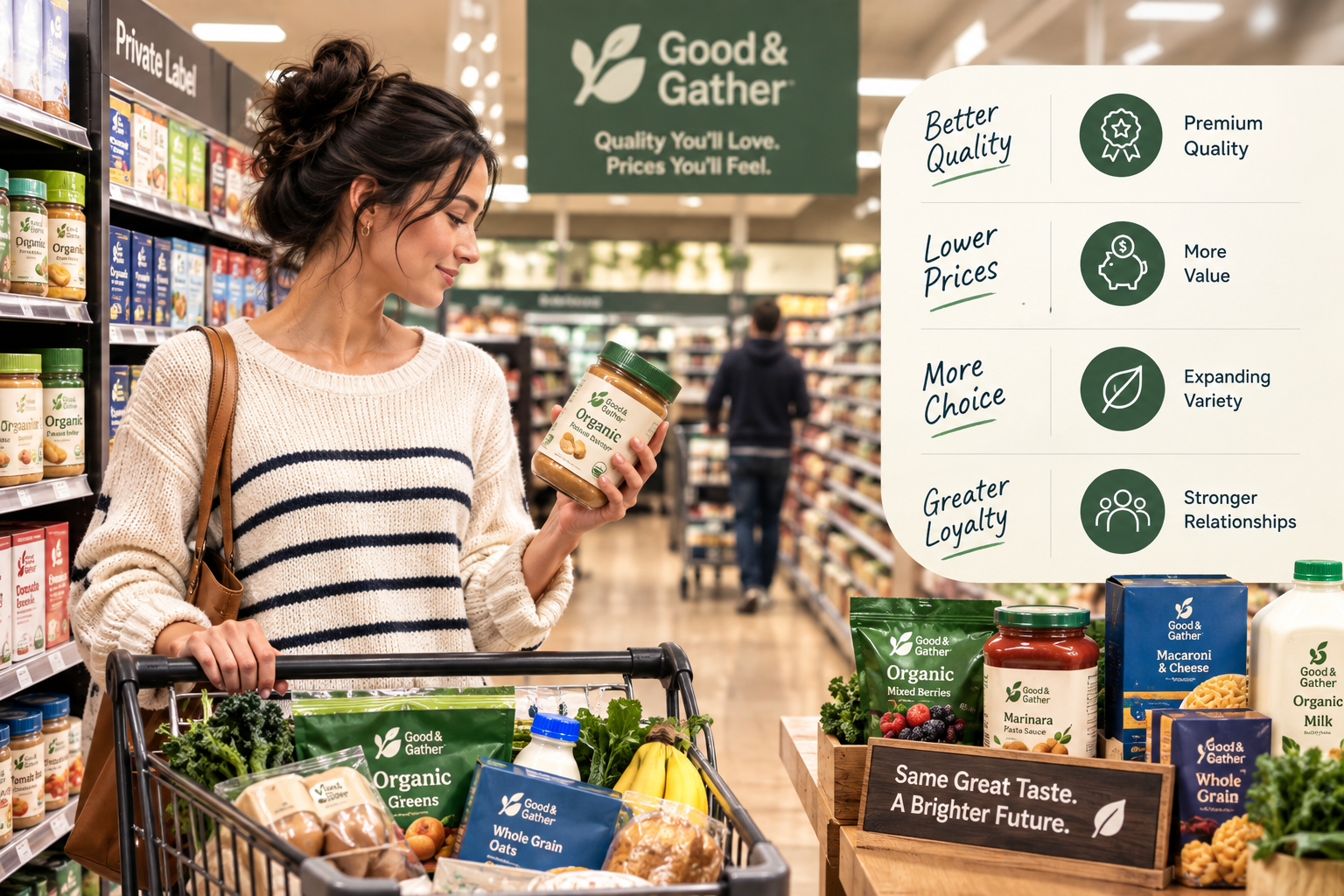
3. Private Label and Value Tiers Are Getting a Second Look
Shoppers who wouldn't have considered a store brand a year ago are increasingly comparing it seriously against a name brand, especially when the price gap has widened.
Industry Trends Impacting the Grocery Market
1. Retailers Are Under Pressure to Justify Every Price Increase
A price increase that isn't explained reads as opportunistic. One that's explained, tied to real input costs, reads as honest. That distinction matters more in a stretch like this one.
2. Promotions and Bundling Are Doing More Work
Retailers are leaning harder into promotions and bundles to soften the impact of rising prices, which means the products best positioned to be featured in that content win more visibility.
3. Video Is Becoming the Fastest Way to Make a Value Case
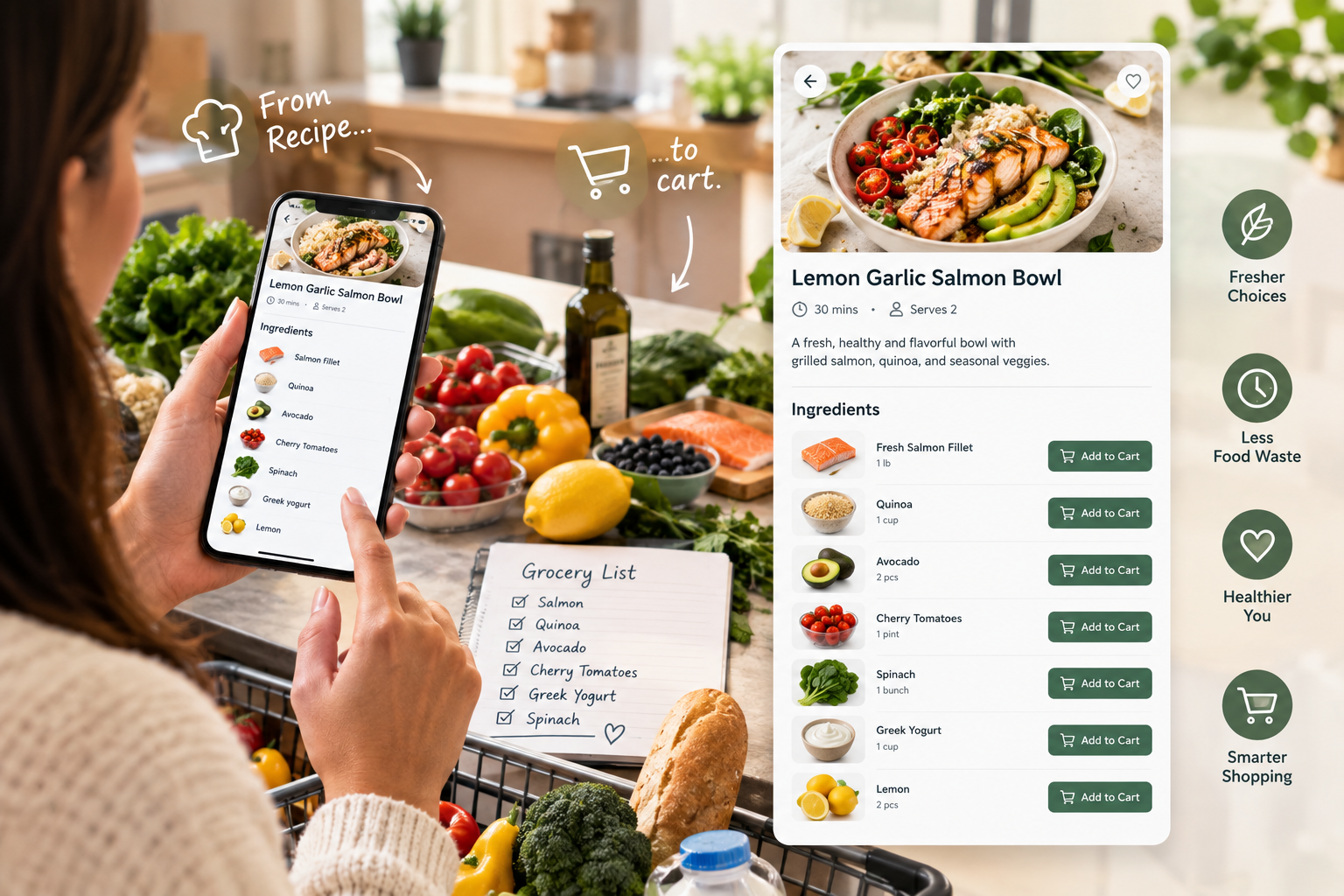
A price on a shelf tag doesn't tell a shopper why a product is worth it. Shoppable video can show portion sizing, usage across multiple meals, or a direct comparison that makes a value claim concrete instead of abstract. Because pricing and promotions shift constantly in grocery, AI-generated video is what makes it realistic to keep that content current across a large, fast-moving catalog.
Challenges and Opportunities in Grocery
The challenge is real: rising prices put pressure on every grocery brand's ability to hold onto price-sensitive shoppers.
The opportunity is that most competitors are responding with the same vague reassurance language. A brand that shows its value clearly, with specifics instead of platitudes, stands out just by contrast.
Strategic Recommendations for Grocery Brands and Retailers
The first priority is being specific about value, cost per serving, ingredient sourcing, portion comparisons, rather than relying on the word "value" to do the work on its own.
The second is using video to make that specificity concrete and quick to absorb, since a shopper comparing prices in the moment won't read a paragraph of justification.
The third is being transparent about price changes when they happen, since an explained increase does far less damage to trust than a silent one.
Looking Ahead
Price pressure isn't a short-term blip this cycle. Brands that build the habit of making their value case clearly and specifically will hold onto more shoppers through it than brands hoping loyalty carries them through on its own.
Want to make your value case impossible to miss? See how leading grocery brands are using video to show value instead of just claiming it.
FAQ
Why are grocery prices rising in 2026?
Recent CPI data shows food prices up roughly 3% year over year, driven in part by tariff pressure on imported produce and packaged goods, alongside broader inflationary pressure on the category.
How should grocery brands respond to rising prices in their marketing?
By being specific about value, such as cost per serving or ingredient quality relative to price, rather than relying on vague claims. Transparency about the reasons behind a price increase also helps maintain shopper trust.
Why does video help make a value case for grocery products?
Video can show portion sizing, usage across multiple meals, or direct comparisons that make an abstract value claim concrete, which is harder to do with a price tag or a short product description alone.
Are shoppers switching to private label brands due to rising prices?
Rising prices are prompting more shoppers to seriously compare private label and value-tier options against name brands, especially as price gaps widen.
Unlock Exclusive Insights
By submitting this form, you agree to Firework's privacy policy and consent to receive personalized marketing communications. You can unsubscribe at any time.