Ecommerce AI Tools: What They Are, How Retailers Use Them, and Why They Matter in 2026

AI is no longer a future-facing concept in ecommerce. It’s already embedded in how shoppers discover products, evaluate options, and decide whether to buy. For retailers, the question is no longer whether to use AI tools, but which ones actually impact conversion and customer experience.
As ecommerce grows more competitive and PDPs become the primary decision surface, AI tools are shifting from backend optimization to front-of-house buying experiences.
This guide breaks down the most important ecommerce AI tools retailers are using today, how they work, and where they deliver the most value heading into 2026.
What Are Ecommerce AI Tools?
Ecommerce AI tools use machine learning, behavioral data, and automation to improve how shoppers discover, evaluate, and purchase products online.
Unlike traditional ecommerce features, AI tools adapt in real time. They analyze shopper behavior, product data, and context to surface more relevant content, recommendations, and guidance at each stage of the journey.
For enterprise retailers, AI tools now support:
- Product discovery and search
- PDP engagement and education
- Personalization at scale
- Conversion optimization
- Retention and lifetime value
Why Ecommerce AI Tools Matter More Than Ever
Modern shoppers are overwhelmed with choice. They compare across tabs, read reviews, watch videos, and hesitate before checkout, especially in high-consideration categories like beauty, electronics, and home improvement.
AI tools help retailers solve three growing challenges:
- Decision friction on PDPs
- Content overload without clarity
- Scaling personalization across thousands of SKUs
Retailers that use AI to guide decisions rather than just automate tasks see stronger engagement and higher conversion.
Key Types of Ecommerce AI Tools Retailers Use Today
1. AI-Powered Product Recommendations
Recommendation engines analyze browsing behavior, purchase history, and product relationships to suggest relevant items.
Used well, they:
- Increase AOV through smarter cross-sell and upsell
- Improve product discovery
- Reduce time to decision
The most effective systems go beyond “customers also bought” and adapt recommendations based on real-time intent.
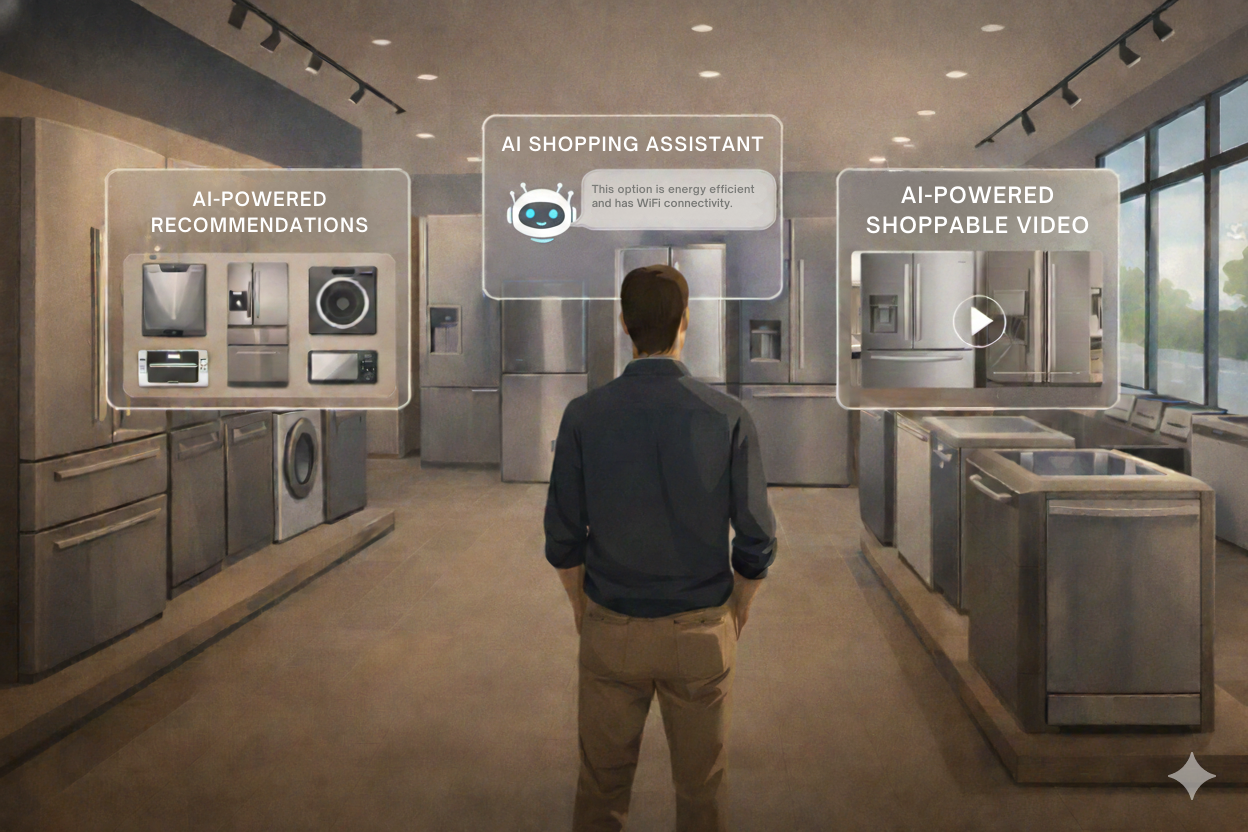
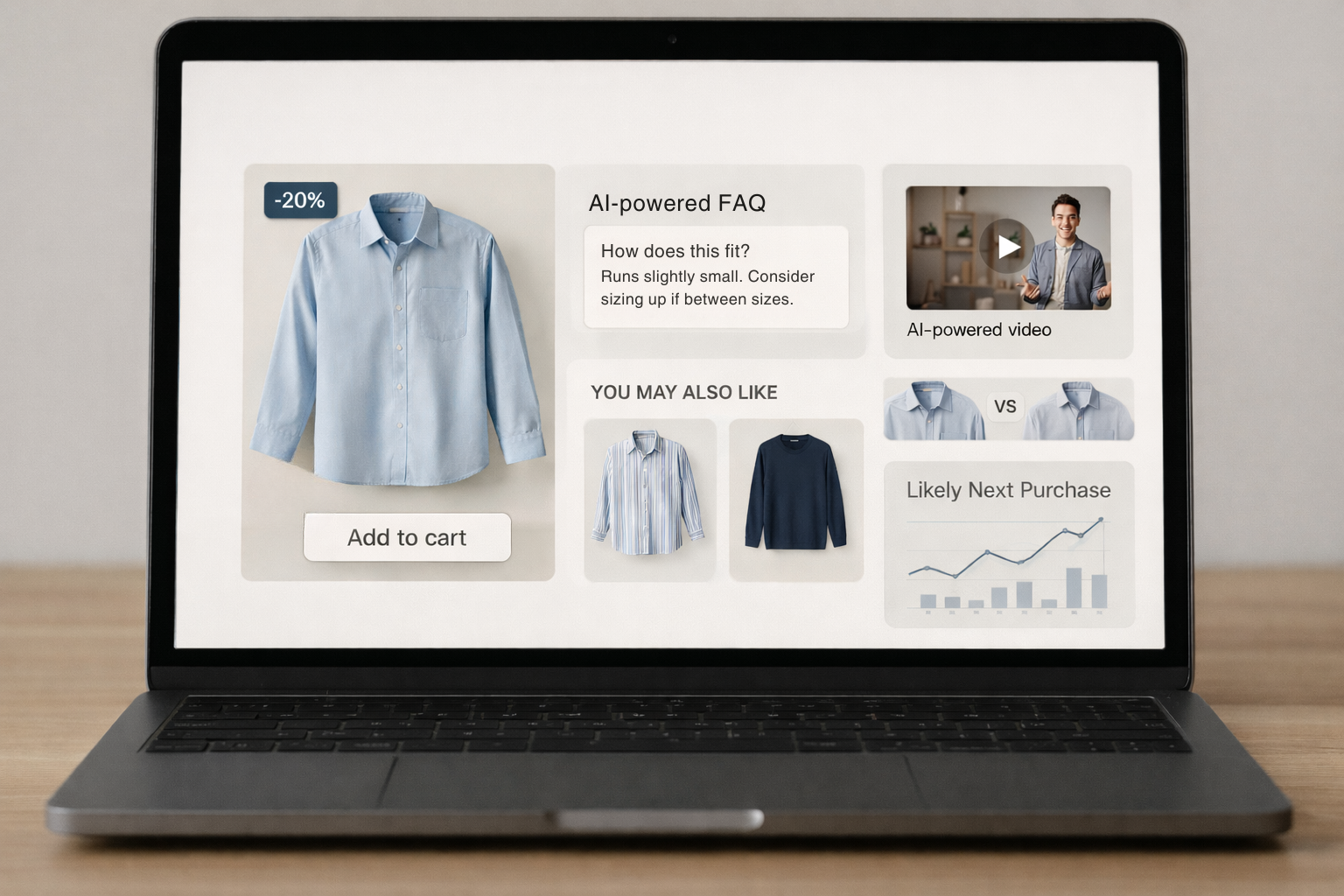
2. AI Shopping Assistants
AI shopping assistants are one of the fastest-growing ecommerce tools because they address the biggest conversion blocker: uncertainty.
Unlike chatbots, AI shopping assistants:
- Guide shoppers through product selection
- Answer questions in context on PDPs
- Compare products and explain differences
- Surface the most relevant content at the right moment
They function like digital store associates, helping shoppers feel confident before checkout.
3. AI Search and Discovery Tools
Search is often the first interaction shoppers have with a retailer’s site. AI-powered search improves relevance by understanding intent rather than relying solely on keywords.
These tools:
- Interpret natural language queries
- Adapt results based on shopper behavior
- Improve findability across large catalogs
Better search reduces bounce and keeps shoppers engaged earlier in the journey.
4. AI-Powered Video and Visual Commerce Tools
Video has become a critical decision-making asset, but managing video at scale is difficult.
AI helps by:
- Matching the right video to the right PDP
- Highlighting relevant moments
- Generating short-form demos from existing assets
- Scaling video experiences across catalogs
For shoppers, this means clearer understanding. For retailers, it means higher PDP engagement without massive production overhead.
5. AI Personalization Engines
Personalization tools adjust content, messaging, and layout based on shopper behavior and preferences.
Modern personalization goes beyond name insertion or homepage swaps. It includes:
- Personalized PDP content
- Dynamic FAQs and product highlights
- Tailored recommendations and bundles
When personalization feels helpful instead of intrusive, it improves both conversion and loyalty.
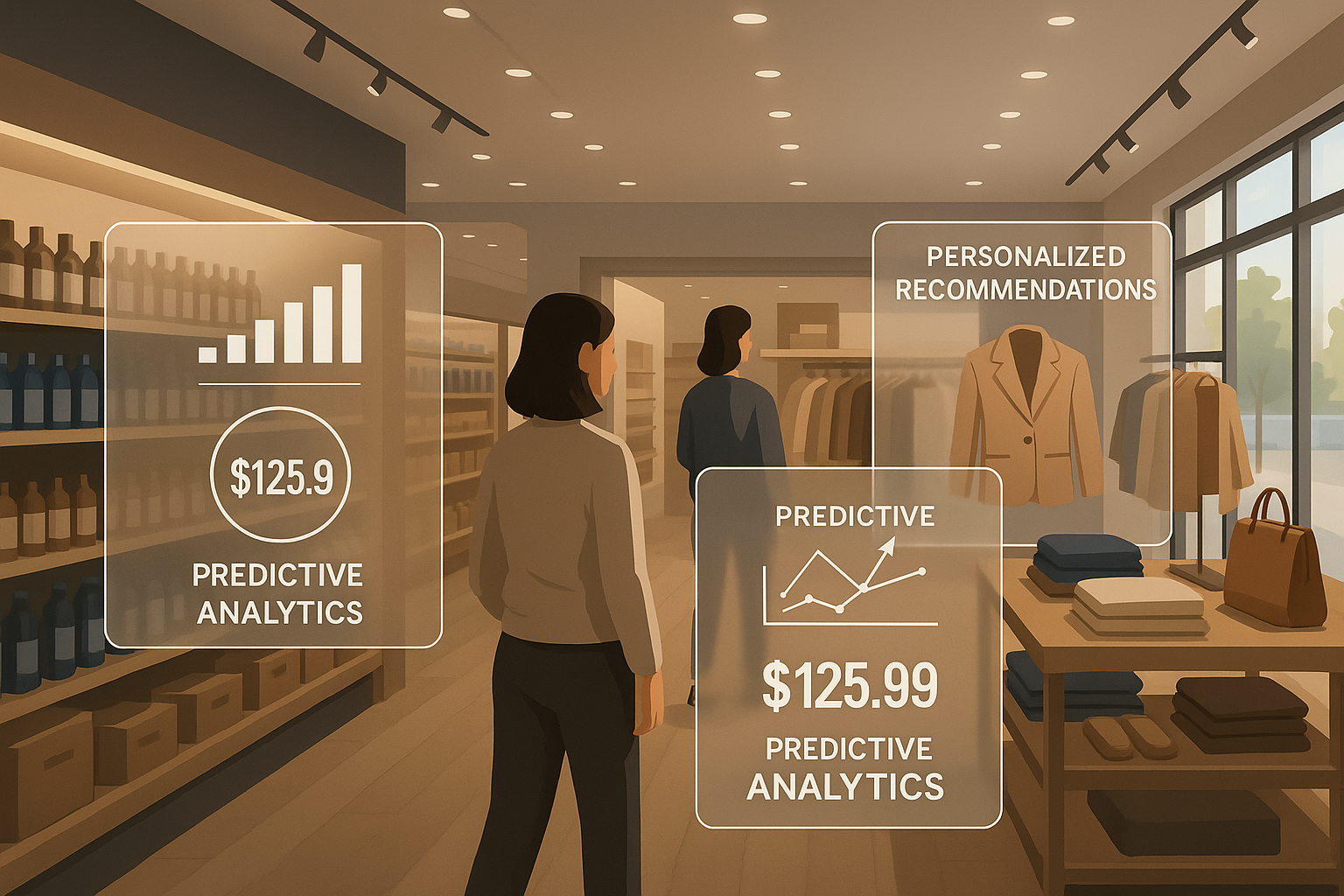
6. AI Analytics and Forecasting Tools
Behind the scenes, AI helps retailers:
- Forecast demand
- Optimize inventory
- Predict trends and seasonality
- Reduce overstock and stockouts
While less visible to shoppers, these tools support better customer experiences by ensuring the right products are available at the right time.
Where Ecommerce AI Tools Drive the Most Impact
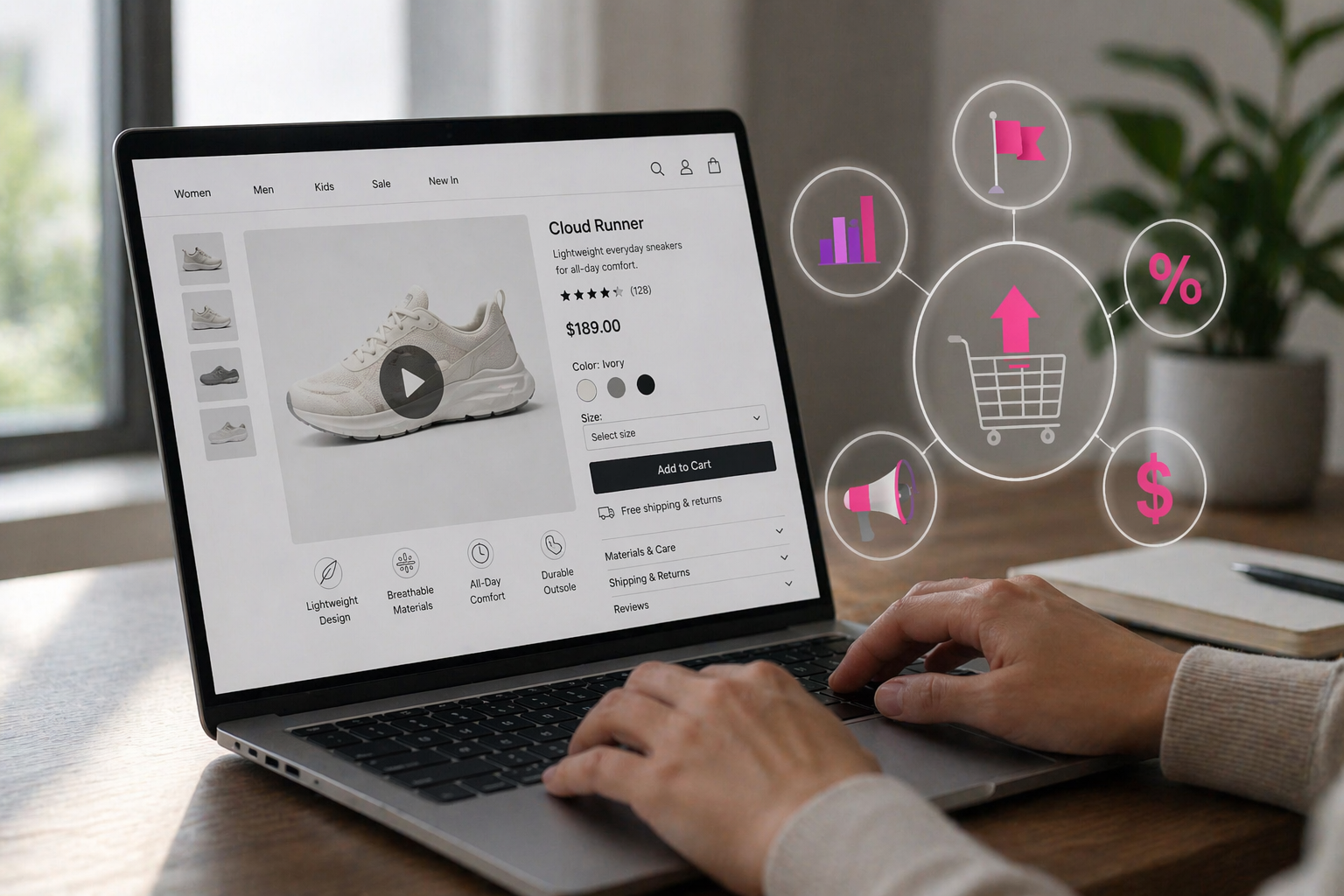
While AI can touch every part of ecommerce, the highest ROI often comes from PDP-level experiences.
This is where:
- Shoppers hesitate
- Questions arise
- Comparisons happen
- Decisions are made
AI tools that enhance PDP clarity, education, and guidance consistently outperform tools focused only on traffic acquisition.
Challenges Retailers Face When Implementing AI Tools
Despite the benefits, AI adoption isn’t frictionless. Common challenges include:
- Siloed data across systems
- Difficulty integrating tools into existing platforms
- Over-automation that feels impersonal
- Tools that optimize metrics but not shopper experience
The most successful retailers start with clear use cases tied to shopper needs, not technology for technology’s sake.
What This Means for Ecommerce in 2026
As we move toward 2026, ecommerce AI tools will increasingly define competitive advantage. This includes:
- Use AI to guide, not just automat
- Combine AI with rich content like video
- Focus on decision support at the moment of purchase
- Scale personalization without losing trust
The Bottom Line
Ecommerce AI tools are no longer optional add-ons. They are becoming the core infrastructure for modern retail.
The question for retailers is not if they should invest in AI, but where it will make the biggest difference. For most, that answer starts on the PDP.
Talk to a Firework expert to see how AI-powered video and shopping assistance can turn your PDPs into high-intent conversion experiences.
FAQ
What are ecommerce AI tools?
They are technologies that use machine learning and data to improve product discovery, personalization, and decision-making in online shopping.
Are AI shopping assistants the same as chatbots?
No. Chatbots handle support tasks. AI shopping assistants guide purchasing decisions directly on PDPs.
Which ecommerce AI tools deliver the highest ROI?
Tools that reduce decision friction at the PDP level, such as AI shopping assistants and video-driven guidance.
Do AI tools replace human merchandising teams?
No. They scale expertise and insights but still rely on strong merchandising strategy and content.
Unlock Exclusive Insights
By submitting this form, you agree to Firework's privacy policy and consent to receive personalized marketing communications. You can unsubscribe at any time.